





How X-Rays Help in Dental Treatment Planning
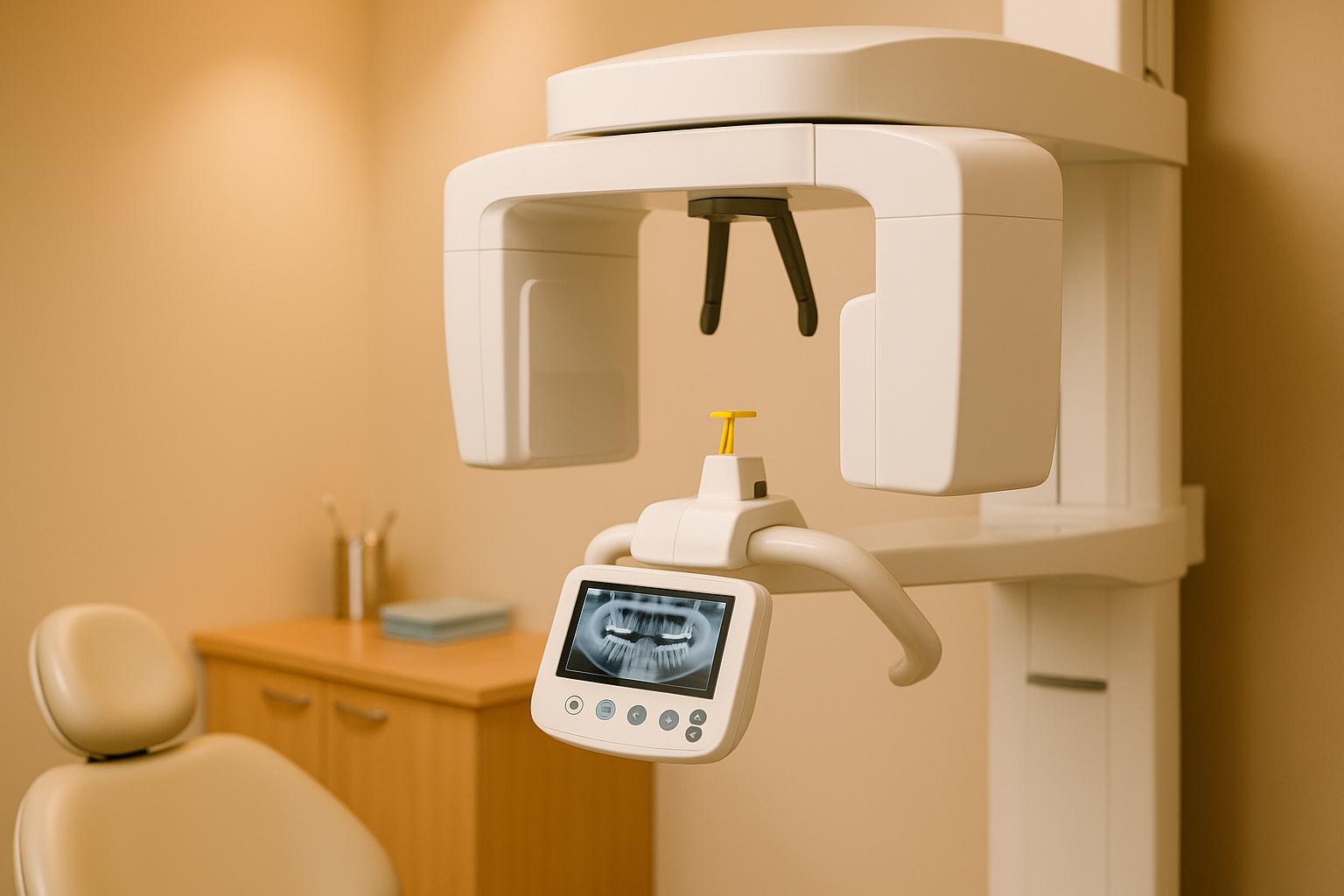
Dental X-rays are a key tool for diagnosing and planning dental treatments. They reveal issues invisible during regular exams, like decay, bone loss, or infections, while using minimal radiation. Modern digital X-rays reduce exposure by up to 90% and provide instant, clear images.
Here’s what dental X-rays are used for:
- Diagnosing Problems: Detect cavities, gum disease, root infections, and impacted teeth early.
- Treatment Planning: Essential for procedures like implants, root canals, and orthodontics.
- Monitoring Progress: Track healing, tooth movement, and treatment effectiveness.
Types of X-Rays:
- Bitewing: Spots cavities and gum issues.
- Periapical: Focuses on tooth roots and surrounding bone.
- Panoramic: Offers a full-mouth view, ideal for complex treatments.
Safety is prioritised in Australia with strict radiation guidelines, lead aprons, and advanced technology like digital X-rays and 3D imaging. These innovations ensure accurate, efficient, and safe dental care.
Oral Radiology | Types of Radiographs | INBDE, ADAT
Common Types of Dental X-Rays
Dental X-rays come in various forms, each designed to uncover specific oral health issues that may not be visible during a regular dental exam. These imaging techniques are essential for accurate diagnosis and personalised treatment planning.
Bitewing X-Rays: Spotting Cavities and Gum Issues
Bitewing X-rays are commonly used to detect cavities between teeth, monitor bone density changes, and identify early signs of gum disease. During this process, a small X-ray film or sensor is placed between the teeth while the patient bites down. These images are typically taken during routine check-ups or when hidden decay is suspected [3].
Periapical X-Rays: A Closer Look at Roots and Surrounding Bone
Periapical X-rays provide a detailed view of an individual tooth from its crown to its root, along with the surrounding bone. This imaging method is particularly helpful in diagnosing tooth decay, abscesses, and bone loss due to gum disease. Dentists often recommend periapical X-rays for patients experiencing tooth pain, swelling, or signs of infection. They’re also a vital tool for planning procedures like root canals.
While periapical X-rays focus on one tooth at a time, panoramic X-rays offer a broader perspective.
Panoramic X-Rays: A Full Picture of Oral Health
Panoramic X-rays capture a single, wide-angle image of the entire mouth, including teeth, jaw joints, nerves, and sinuses [1]. This type of imaging is incredibly versatile and provides several benefits:
| Purpose | Benefits |
|---|---|
| Treatment Planning | Helps design complex procedures like dental implants or orthodontics |
| Tooth Development | Highlights wisdom teeth positioning and tracks jaw growth |
| Structural Analysis | Detects bone irregularities or asymmetries |
| Screening | Identifies impacted teeth and other significant oral health issues |
Unlike intraoral X-rays, panoramic X-rays are taken with the patient standing or sitting upright while the machine rotates around their head. This technique offers a comprehensive overview and often guides further, more detailed examinations [3].
X-Rays in Treatment Planning
Spotting Hidden Dental Issues
X-rays play a crucial role in identifying dental problems that can’t be seen during a regular visual exam. These include:
- Early tooth decay between teeth
- Bone loss linked to gum disease
- Root infections and abscesses
- Impacted teeth and developmental abnormalities
- Cysts and bone infections
The amount of radiation from dental X-rays is very low. For instance, a single bitewing X-ray exposes you to about 0.005 millisieverts of radiation – comparable to what you’d naturally encounter in half a day [4].
Preparing for Complex Dental Procedures
Once a diagnosis is made, X-rays become essential for planning more advanced treatments. They give dentists a clear view of bone structure, tooth alignment, and overall oral health. This detailed information is vital for procedures like:
| Procedure Type | Role of X-rays in Planning |
|---|---|
| Dental Implants | Evaluate bone density and volume for precise placement |
| Root Canal Therapy | Identify the shape and number of root canals |
| Orthodontic Work | Assess tooth alignment and jaw positioning |
| Bone Grafts | Determine the severity of bone loss and treatment needs |
For even greater precision, CBCT scans are often used. They help pinpoint the exact location of impacted teeth and provide highly accurate measurements for implant placement [5].
Monitoring Treatment Progress
X-rays aren’t just for diagnosis and planning – they’re also invaluable for tracking how treatments are progressing. Dentists use them to observe changes such as:
- Tooth movement during orthodontic procedures
- Bone healing after surgeries
- The effectiveness of root canal fillings
- Implant integration into the bone
- Overall improvements in oral health
This regular monitoring ensures that any necessary adjustments can be made promptly, keeping treatments on track and effective.
sbb-itb-2be92ed
Modern X-Ray Technology
Modern X-ray technology has taken dental imaging to the next level, offering greater precision and efficiency through digital systems, 3D imaging, and computer-assisted analysis. These advancements not only improve diagnostic capabilities but also streamline treatment planning.
Digital X-Ray Systems
Digital X-ray systems have revolutionised dental imaging by swapping out traditional film for electronic sensors. This shift allows for instant, high-quality images without the need for chemical processing, which means faster diagnoses and treatment decisions. On top of that, digital X-rays significantly lower radiation exposure – by up to 80–90% – and offer enhanced image clarity for better analysis [6]. Another perk? Digital storage eliminates bulky filing cabinets, making it easier to manage patient records while saving physical space.
| Feature | Traditional X-rays | Digital X-rays |
|---|---|---|
| Radiation Exposure | Standard dose | 80–90% reduction [1] |
| Image Processing | Chemical development | Instant digital results |
| Image Enhancement | Not possible | Digital manipulation available |
| Storage Method | Physical filing | Electronic database |
| Environmental Impact | Chemical waste | No chemical processing [6] |
3D Dental Imaging (CBCT)
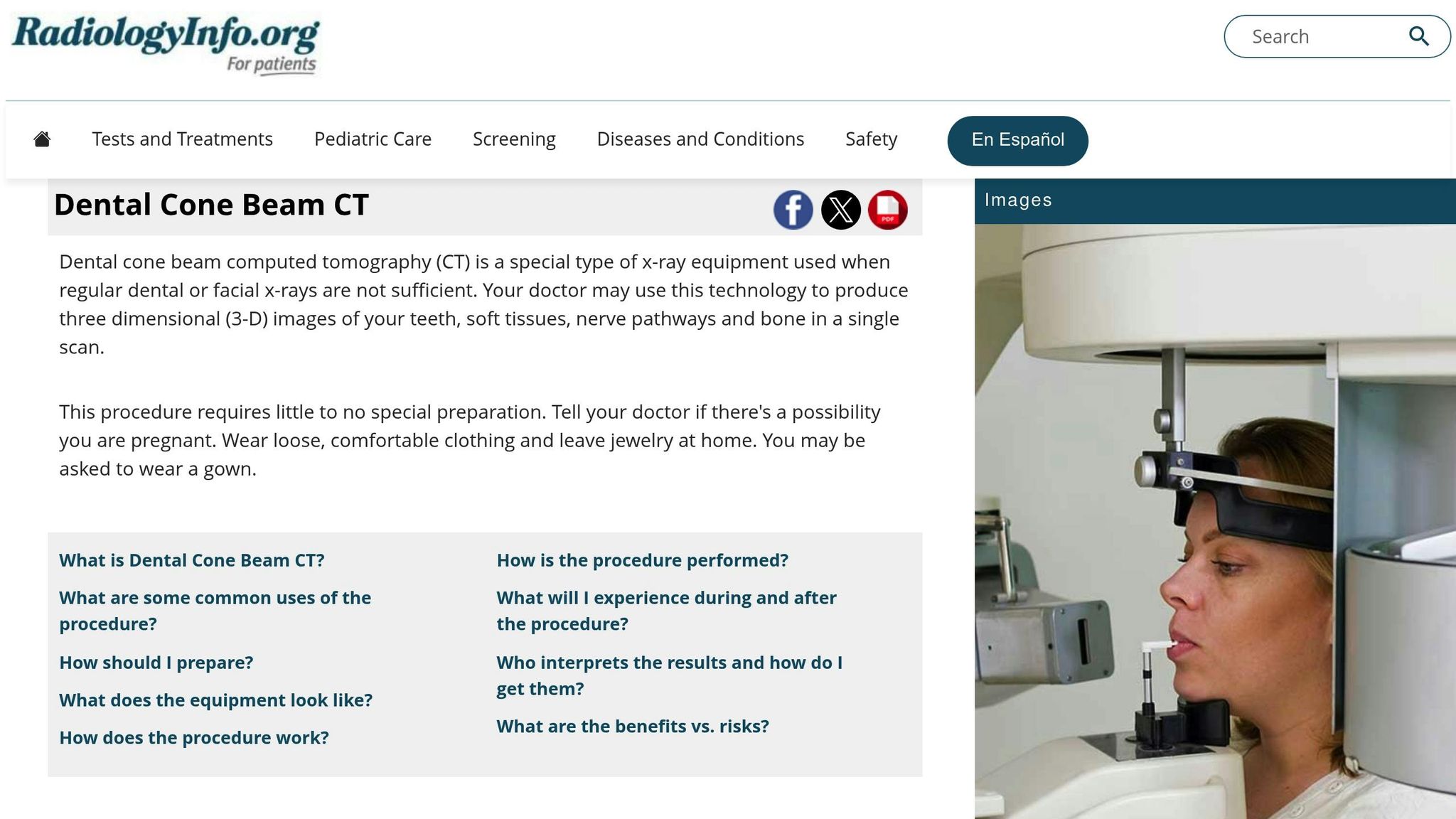
Cone Beam Computed Tomography, or CBCT, brings a whole new level of detail to dental imaging. It provides three-dimensional views of teeth, bones, soft tissues, and airways [7]. This detailed imaging is a game-changer for several dental procedures:
- Implant Planning: CBCT helps measure bone density and volume with precision, ensuring implants are placed in the ideal location [7].
- Orthodontic Assessment: It offers a clear view of tooth alignment and facial structures, enabling tailored treatment plans [7].
These 3D images give dental professionals the clarity they need for treatments ranging from implants to orthodontic corrections.
Computer-Assisted X-Ray Analysis
Computer-assisted analysis takes modern imaging a step further by integrating advanced tools into everyday dental practice. These technologies improve diagnostic accuracy and streamline treatment planning with features like:
- Advanced image enhancement tools
- Automated measurement functions
- Digital archiving and easy retrieval
- Secure sharing of patient data
In Australia, dental practices must adhere to strict regulations when using these systems. Staff need valid licences, equipment must be regularly calibrated to meet ALARA (As Low As Reasonably Achievable) guidelines, and patient digital records must comply with the Privacy Act 1988 (Cth) [8][9]. These measures ensure that advanced technology is used responsibly and securely in patient care.
Conclusion
Dental X-rays play a crucial role in modern dentistry, offering invaluable support in diagnosis and treatment planning. The evolution from traditional film-based X-rays to advanced digital imaging systems has not only improved patient care but also significantly reduced radiation exposure – by up to 90% [11][2].
X-rays uncover problems that can’t be spotted during a standard dental exam, such as cavities, infections, or structural irregularities. By identifying these issues early, dentists can address them before they escalate into more serious conditions [14]. This level of precision is essential for creating effective treatment plans.
The introduction of digital X-ray systems and 3D imaging has completely transformed how dentists approach diagnostics. These technologies allow for highly detailed assessments, leading to more accurate and tailored treatment strategies across a range of dental procedures [13]. They also provide a more comprehensive view of a patient’s oral health, ensuring better outcomes.
Digital imaging has also simplified the process of sharing X-rays with specialists and insurance providers, improving collaboration and coordination of care [10][12]. Beyond aiding in diagnosis, these tools enhance discussions between patients and practitioners, ensuring that care decisions are clear and well-informed.
The Australian Dental Association highlights the importance of open communication between patients and dentists about the necessity of X-rays, empowering individuals to make informed choices about their care [15]. With dental imaging accounting for less than 1% of the estimated collective annual radiation dose from medical imaging [15], modern X-ray technology remains a safe and essential resource for maintaining oral health.
FAQs
How do dental X-rays improve the safety and success of treatments like implants and root canals?
Dental X-rays play a crucial role in the success and safety of complex dental procedures like implants and root canals. They provide detailed images of your teeth, gums, and the surrounding bone, helping dentists uncover hidden problems such as cavities, infections, or bone loss – issues that might not be spotted during a routine check-up. By identifying these concerns early, dentists can plan treatments more precisely and lower the chances of complications.
Thanks to modern digital X-ray technology, this process has become even more effective. It offers greater diagnostic precision while keeping radiation exposure to a minimum. Plus, the results are available instantly, allowing for quicker diagnoses and streamlined treatment planning. This combination of early detection and advanced imaging leads to better outcomes for patients undergoing intricate dental procedures.
How has modern X-ray technology improved dental care and patient safety?
Modern X-ray technology, especially digital X-rays, has transformed dental care by making it safer and more efficient for patients. One of the standout benefits is the significant reduction in radiation exposure – up to 90% less compared to traditional X-rays – placing a strong emphasis on patient health.
Another advantage is the near-instant imaging these systems provide. This allows dentists to diagnose issues faster and plan treatments more effectively. The result? Less time in the chair and a smoother, more comfortable experience for patients. These advancements have firmly established digital X-rays as a cornerstone of modern, high-quality dental care.
Why are different types of dental X-rays used in treatment planning?
Different dental X-rays serve specific purposes, offering valuable insights into oral health concerns that might not be visible during a routine check-up. For instance, cavities hiding between teeth or early signs of bone loss can often only be detected through the right type of X-ray.
Take periapical X-rays, for example. These capture the entire tooth, from crown to root, along with the surrounding bone. They’re especially useful for identifying decay, infections, or gum disease. Then there are bitewing X-rays, which zero in on the spaces between teeth. These are perfect for detecting cavities and tracking changes over time. Lastly, panoramic X-rays provide a comprehensive view of the jaw, teeth, and sinuses. This wide-angle image is particularly handy for orthodontic evaluations or diagnosing jaw-related issues.
Choosing the right X-ray allows dentists to create tailored treatment plans, addressing each patient’s unique needs and promoting healthier smiles.
Related Blog Posts
- Cultural Sensitivity in Dentistry: Key Challenges and Solutions
- Pre-Orthodontic Treatment Checklist: What to Know
- Guide to Choosing the Right Cosmetic Dental Treatment
- 5 Common Root Canal Myths Debunked
Important Notice: Any surgical or invasive procedure carries risks. Before proceeding, you should seek a second opinion from an appropriately qualified health practitioner.
Individual results may vary. The information provided in this article is for educational purposes only and does not constitute medical advice.
Checkout Related Blogs




Get in touch with us
For more information, call us now to start feeling better. Or fill the form below to make appointment
The Latest News from Complete Smiles
How to Clean Clear Plastic Retainers
Checklist for Choosing Wearable Dental Devices
Checklist for Choosing Cloud AI Platforms in Dentistry

Complete Smiles Bella VistaAccepts All Major Health Funds, Including





