





10 Tips to Prevent Dental Emergencies in Kids
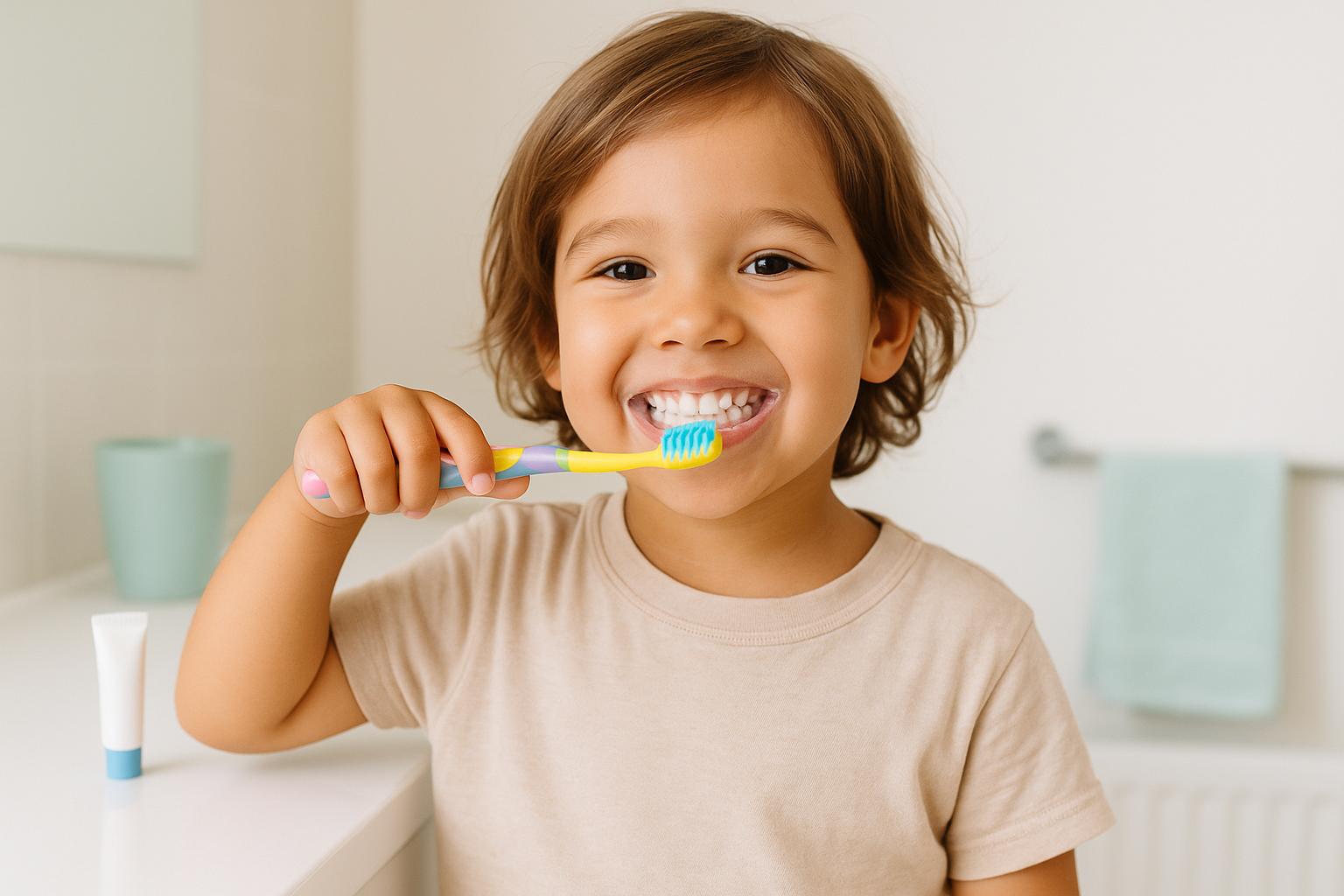
Dental emergencies in kids are often unexpected but largely preventable. Tooth fractures, avulsions, and severe pain can result from sports, falls, or poor oral hygiene. Here’s how you can safeguard your child’s dental health:
- Daily Oral Care: Brush twice daily with fluoride toothpaste and start flossing as soon as teeth touch.
- Regular Dental Visits: Schedule check-ups every six months to catch and address problems early.
- Fluoride Use: Use age-appropriate fluoride toothpaste and consult your dentist about mouth rinses.
- Limit Sugary Foods: Reduce sugary snacks and drinks, opting for healthier alternatives like fruits and vegetables.
- Mouthguards for Sports: Invest in custom-fitted mouthguards for better protection during physical activities.
- Avoid Hard Foods: Teach kids to avoid chewing ice, popcorn kernels, or pens to prevent tooth damage.
- Childproof Your Home: Use corner protectors and create safe play areas to reduce injury risks.
- Stress Management: Address teeth grinding (bruxism) through relaxation techniques or nightguards if needed.
- Quick Action for Pain: Treat dental pain or injuries immediately to minimise long-term damage.
- Teach Safe Habits: Encourage kids to use tools, not teeth, and avoid running with objects in their mouths.
1. Build Daily Oral Hygiene Habits
Getting kids into a solid routine of brushing and flossing is key to avoiding dental emergencies. Brushing twice a day with fluoride toothpaste and regular flossing helps remove plaque and food particles that can cause cavities and gum disease – two of the biggest reasons kids end up needing urgent dental care[8][3]. These simple habits are the foundation of good oral health.
The numbers speak for themselves. According to the Australian Institute of Health and Welfare, nearly half of Australian children aged 5–10 have experienced tooth decay in their baby teeth. But here’s the good news: brushing twice daily with fluoride toothpaste can lower the risk of cavities by up to 40% compared to brushing less often[AIHW, 2022][2].
When it comes to toothpaste, the amount matters. For kids aged 2–3, use a smear about the size of a grain of rice. For those aged 3–6, aim for a pea-sized amount[8]. This ensures they get the protective benefits of fluoride without overdoing it. As they grow, teaching proper flossing techniques becomes just as important.
Flossing should start as soon as two teeth touch – a step many parents miss. It’s essential for cleaning areas a toothbrush can’t reach. Parents should assist with flossing until kids are around 8 years old and can handle it themselves.
Leaving decay untreated can lead to painful situations[3]. Decayed teeth are also more likely to crack or break during everyday activities like eating or accidents[3].
Supervise brushing for kids under 8 to ensure they’re not using too much toothpaste, rushing through it, or missing key spots. A two-minute timer can make the process fun and effective. Brushing together as a family is another great way to build consistency.
Make oral care engaging by using child-friendly products and offering small rewards for sticking to the routine. Replace toothbrushes every 3–4 months – or sooner if the bristles fray – to keep them working effectively.
Keep an eye out for warning signs of poor oral hygiene, such as bad breath, visible plaque, bleeding gums, frequent toothaches, or discoloured spots on teeth (white or brown)[8][3]. If you notice any of these, it’s time to visit a dentist to prevent minor issues from turning into emergencies.
2. Book Regular Dental Check-Ups
Booking regular dental check-ups is one of the best ways to prevent dental emergencies. According to the Australian Institute of Health and Welfare, children should visit the dentist every six months. These routine visits allow dentists to catch early signs of decay, gum issues, enamel erosion, or minor injuries before they escalate into bigger problems. Many dental-related hospital visits could be avoided with timely care [3].
During these check-ups, dentists can treat small cavities early, stopping decay or infections in their tracks. Professional cleanings remove stubborn plaque and tartar that regular brushing might miss, while fluoride treatments strengthen enamel. Research shows that preventive dental care can lower the risk of severe decay and dental trauma by up to 40% compared to irregular visits [1] [2] [3]. This proactive approach is especially important when choosing a dentist for children.
Opt for a paediatric dentist who specialises in creating a comforting environment for kids. Dentists experienced in working with children can help ease their fears and encourage consistent visits. This child-friendly care not only reduces dental anxiety but also helps avoid unexpected dental emergencies. Many clinics, like Complete Smiles Bella Vista, even offer bulk billing under the Child Dental Benefits Schedule to make preventive care more accessible.
Between appointments, keep an eye out for potential red flags such as persistent bad breath, visible plaque, bleeding gums, tooth pain, or discoloured spots. If your child has additional risk factors, your dentist might suggest more frequent visits to ensure their oral health stays on track [3].
3. Use Fluoride Toothpaste and Mouth Rinses
Fluoride plays a crucial role in keeping teeth strong and healthy. It helps fortify tooth enamel against acid attacks caused by bacteria and sugars, reducing the risk of cavities. In some cases, it can even repair early signs of tooth decay. The Australian Dental Association highlights fluoride as a key element in protecting children’s oral health.
Start using fluoride toothpaste as soon as your child’s first tooth appears. For children under 18 months, stick to water and a soft toothbrush. From 18 months to 6 years, use a pea-sized amount of low-fluoride toothpaste made specifically for kids – these typically contain around 500 parts per million (ppm) of fluoride. Once they turn 6, children can transition to regular fluoride toothpaste (1,000–1,500 ppm), but brushing should always be supervised by an adult. It’s also important to choose products that meet Australian safety standards.
When purchasing toothpaste for your child, look for the Australian Dental Association Seal of Approval. This seal ensures the product is both safe and effective. Even if your household has fluoridated tap water, using the recommended amount of fluoride toothpaste is still essential – unless your dentist advises otherwise.
Fluoride mouth rinses, however, require more caution. These should only be introduced for children over 6 who can reliably spit out the rinse without swallowing. They are generally recommended for kids at higher risk of tooth decay, such as those with a history of cavities or who wear orthodontic appliances. Your dentist can determine whether your child would benefit from this additional protection based on their specific needs.
To avoid dental fluorosis – those faint white streaks or spots on teeth caused by excessive fluoride ingestion – supervise your child’s brushing to ensure they use the right amount of toothpaste and spit it out instead of swallowing. Store fluoride products out of reach, and teach proper brushing habits early.
In Australia, school-based supervised brushing programmes have proven highly effective. These initiatives have significantly reduced emergency dental visits among children, underscoring how regular fluoride use contributes to healthier, cavity-free smiles for kids across the country.
4. Reduce Sugary Foods and Drinks
Excess sugar can wreak havoc on dental health. Sugary foods act as fuel for bacteria in the mouth, which produce acids that weaken enamel and lead to cavities, decay, and even infections.
According to the Australian Institute of Health and Welfare, more than 40% of Australian children aged 5–10 had experienced tooth decay in their baby teeth by 2022 [9]. A significant contributor to this issue is sugar intake. Sticky lollies, soft drinks, fruit juices, and sweet snacks are particularly problematic because they cling to teeth. For instance, a standard 375 ml can of soft drink contains about 10 teaspoons (40 g) of sugar [9], far exceeding the recommended daily limit for children. These numbers highlight the importance of keeping sugar consumption in check.
Both the Australian Dietary Guidelines and the WHO recommend that added and free sugars make up less than 10% of daily energy intake – roughly 4–6 teaspoons for young children – to help reduce the risk of dental decay [9].
It’s not just about how much sugar is consumed but also how often. Frequent snacking on sugary foods prolongs acid attacks on teeth, increasing the risk of cavities. A practical approach is to enjoy sweet treats during meals rather than as standalone snacks. Saliva production is higher during meals, helping to neutralise acids and protect teeth.
Simple swaps can make a big difference. Instead of sugary snacks, offer fresh fruit like apples, berries, or bananas, which provide natural sweetness along with fibre and nutrients. Vegetable sticks (carrot, cucumber, capsicum), plain yoghurt, cheese cubes, and wholegrain crackers are also excellent alternatives that satisfy hunger without feeding harmful bacteria.
When it comes to drinks, water should be the first choice for children. Replacing soft drinks, sports drinks, and fruit juices with water or milk can significantly cut down sugar exposure. If children indulge in sweet foods at parties or special events, encourage them to drink water afterward to rinse away lingering sugars.
Reading nutrition labels is another essential step. Many packaged foods and drinks marketed to children contain hidden sugars. Opting for whole fruits instead of fruit juices is also a smarter choice, as whole fruits contain fibre and have less concentrated sugar.
Australian schools are increasingly promoting water over sugary drinks, a shift that has been linked to lower rates of dental decay among students.
The key is moderation. Rather than banning sweet treats entirely, save them for special occasions and teach children to make balanced choices. Pairing controlled sugar intake with proper brushing after treats can go a long way in keeping teeth strong and healthy.
5. Use Mouthguards for Sports and Physical Activities
Protecting kids from sports-related dental injuries is a top priority, and using a mouthguard is one of the simplest ways to do it. According to Nationwide Children’s Hospital, up to 39% of dental injuries in children are linked to sports, many of which could be avoided with proper mouthguard use[4].
Mouthguards work by absorbing and spreading out the force of impacts to the mouth, teeth, and jaw. They help prevent chipped, broken, or knocked-out teeth and reduce injuries to the lips, cheeks, and tongue during physical activities. While contact sports like rugby, AFL, basketball, soccer, martial arts, and hockey carry the highest risks, even non-contact activities like cycling, skateboarding, and gymnastics can lead to dental injuries[10].
When it comes to choosing a mouthguard, custom-fitted options are the gold standard. While stock (AU$5–AU$20) and boil-and-bite (AU$10–AU$50) mouthguards are cheaper, custom-fitted ones (AU$120–AU$250) offer better protection and comfort. These are designed specifically for your child’s teeth, ensuring they fit snugly, stay in place, and allow for easy breathing and speaking. Clinics like Complete Smiles Bella Vista provide these tailored solutions.
The benefits of wearing a custom-fitted mouthguard are clear. Studies show they can reduce the risk of dental injuries in contact sports by up to 60%[3][10]. The Australian Dental Association strongly advises all children involved in organised sports to wear a mouthguard, noting the significant drop in dental emergencies when they do.
To keep a mouthguard in good condition, proper care is essential. Rinse it with cool water before and after use, clean it with mild soap and a toothbrush, and store it in a ventilated container. Avoid exposing it to high heat, as this can warp the material. If your child is reluctant to use one, let them pick a colour or design they like – it can make a big difference. Custom-fitted mouthguards, being more comfortable, are also more likely to be worn consistently.
Mouthguards should be replaced at least once a year, or sooner if they show signs of wear, damage, or if your child’s mouth changes due to growth or new teeth. Regular dental check-ups are a good opportunity to check the mouthguard’s fit and condition, ensuring it continues to provide optimal protection.
In Australia, many schools and sports clubs are now requiring mouthguards for certain sports. This shift highlights the understanding that preventing dental injuries is far easier – and less expensive – than dealing with them after the fact.
6. Avoid Chewing Hard Objects and Foods
One of the simplest ways to help prevent dental emergencies is teaching children to steer clear of chewing hard objects and foods. Biting down on something too hard can easily chip, crack, or even fracture teeth, and children’s teeth are especially at risk due to their smaller size and more delicate structure[4].
Common culprits include ice cubes, hard lollies, popcorn kernels, nuts with shells, and unpopped corn. Even non-food items like pens and pencils can lead to dental damage. Ice chewing, in particular, is a frequent cause of fractures in children and teens[4][5]. Knowing these risks is the first step in building safer chewing habits.
When teeth are chipped or cracked, it can lead to pain, sensitivity, or even infections. In severe cases, treatments like root canals or extractions may be needed[4][5].
Parents play a crucial role in preventing these issues. Explain why hard objects can harm teeth and offer safer alternatives like sugar-free gum or soft fruits for children who feel the need to chew. Consistent guidance and positive reinforcement – like praising children for making better choices – can go a long way in breaking risky habits.
It’s also a good idea to keep an eye on kids during playtime and remove hard objects that could tempt them to chew[2].
If a tooth does get chipped or cracked, act quickly. Rinse your child’s mouth with warm water, use a cold compress to reduce swelling, and contact your dentist right away[4][5]. Prompt treatment can minimise further damage, prevent infection, and reduce the need for more intense procedures.
For more advice, local dental clinics like Complete Smiles Bella Vista can provide personalised tips on safe eating habits and offer immediate care for dental injuries. Regular dental check-ups are also a great opportunity to reinforce these habits and catch any early signs of damage caused by chewing hard objects.
7. Make Your Home Safer for Children
Creating a secure home environment is an essential step in reducing the risk of dental injuries in children. While oral care and sports safety are vital, many dental injuries actually occur at home. In fact, research indicates that 60% of dental injuries in children under 5 years old happen at home, often due to falls on hard surfaces or collisions with furniture[4].
Child-proofing your home isn’t just about general safety; it’s also about protecting your child’s teeth and overall oral health. One of the most common hazards comes from sharp furniture corners and edges. Installing corner protectors on items like coffee tables, dining tables, and bed frames can provide a soft barrier, helping to cushion falls and reduce the risk of serious injuries.
Active supervision during playtime is equally important. Keeping a close eye on children around furniture, stairs, and play areas allows you to step in quickly if a fall or collision seems likely. This doesn’t mean hovering constantly but being alert to potential hazards. Additionally, securing rugs and ensuring walkways are clear can help prevent slips and trips. Children aged 1–5 years are particularly prone to such accidents due to their developing coordination and balance[3].
The impact of these safety measures is supported by evidence. A 2023 safety initiative from Nationwide Children’s Hospital revealed a 25% reduction in dental injuries among children under 5 after promoting steps like installing corner protectors and securing rugs[4]. Similarly, the Australian Dental Association reported in 2022 that homes with effective child-proofing measures saw a 30% decrease in dental injuries compared to those without such precautions[4].
Designating safe play areas can further reduce the risk. Consider creating spaces with soft flooring, like foam mats or carpets, to cushion falls. These areas should be free of clutter, and any play equipment should be sturdy and appropriate for your child’s age. Removing or securing objects that could fall and cause injury to a child’s face or mouth is another simple yet effective step[3][6].
For families with toddlers just learning to walk, extra precautions are critical. Safety gates can keep little ones away from stairs and other dangerous areas, while shoes with good grip can help prevent slips. During this stage, additional supervision is particularly important to prevent accidents[6].
sbb-itb-2be92ed
8. Help Children Manage Stress
Stress can show up in children in unexpected ways, one of which is bruxism – grinding or clenching teeth during sleep. While it might seem harmless at first, this habit can lead to worn teeth, jaw pain, and even dental emergencies over time.
In Australia, research shows that bruxism affects around 14–20% of children [2]. It’s often linked to stressful events like changing schools or family upheavals. The tricky part? Many parents don’t even realise it’s happening because it usually occurs while kids are asleep.
Spotting the signs early makes all the difference. Keep an eye out for worn-down teeth, complaints about jaw pain or headaches in the morning, increased sensitivity, or even the sound of grinding at night. Some kids might also wake up with sore jaws or have unexplained damage to their dental work. Addressing these issues early can prevent further complications.
Simple stress management practices can work wonders. Try incorporating activities like deep breathing exercises, guided imagery, or progressive muscle relaxation into your child’s routine. Establishing a calm bedtime atmosphere is equally important – limit screen time, stick to a consistent sleep schedule, and encourage regular physical activity. Talking openly about their worries can also help ease stress and reduce bruxism episodes.
If teeth grinding continues despite these efforts, it’s worth consulting a dentist about getting a custom-fitted nightguard. These guards act as a protective barrier, reducing the impact of grinding on teeth and jaws.
Studies suggest that combining relaxation techniques with a custom nightguard can significantly reduce tooth wear and jaw pain. Tackling both the emotional and physical aspects of bruxism is key to preventing long-term dental issues.
Pairing these strategies with regular dental check-ups can help keep your child’s oral health on track. For families dealing with ongoing stress-related dental problems, seeking professional guidance can make a big difference. Complete Smiles Bella Vista offers tailored paediatric dental care, including custom nightguards and stress management advice, ensuring both the emotional and physical sides of oral health are addressed with care.
9. Address Dental Pain and Oral Injuries Quickly
When it comes to dental emergencies, acting fast can make all the difference. If your child experiences dental pain or suffers an oral injury, prompt attention is key. Did you know that dental trauma accounts for up to 18% of injuries in children? Sports and falls are often the culprits behind these incidents[3]. The sooner you act, the better the chances of saving a tooth or preventing long-term damage.
Knowing what qualifies as a dental emergency is the first step. Keep an eye out for signs like persistent pain, swelling in the face or gums, uncontrollable bleeding, knocked-out or loose teeth, difficulty breathing or swallowing, and fever linked to dental pain. These symptoms can point to infections, injuries, or other serious conditions that need immediate care[3][4][7].
If your child has a knocked-out permanent tooth, time is critical. Handle the tooth by the crown (the top part), not the root. If it’s dirty, rinse it gently but avoid scrubbing. Reinsert it into the socket within 30 minutes if possible. If that’s not an option, store it in milk or saliva and head straight to the dentist. The best outcomes occur when treatment starts within 30 minutes, but after two hours, the chances of saving the tooth drop significantly[3][4][6].
For toothaches, don’t wait to see if the pain goes away on its own. Toothaches often indicate untreated decay. Rinse your child’s mouth with warm water, gently floss to remove any debris, and apply a cold compress to reduce swelling. Avoid placing heat or aspirin directly on the affected area, as this can worsen the issue[4][7].
Chipped or cracked teeth also need quick attention. Rinse the mouth with water, apply a cold compress to minimise swelling, and take any tooth fragments to the dentist. Even minor cracks can lead to infections or complications if ignored[4].
For soft tissue injuries like cuts to the lips, gums, or tongue, clean the area gently, apply pressure to stop bleeding, and use a cold compress to ease swelling. If the bleeding doesn’t stop or the injury is severe, seek immediate medical or dental care[4][7].
Preparation can make emergencies less stressful. Keep a dental emergency kit on hand, stocked with sterile gauze, a container for knocked-out teeth, child-safe pain relievers, cold compress packs, and your dentist’s contact details. This simple step can help you respond quickly and effectively when accidents happen[7][5].
Always follow up with a professional assessment to ensure proper healing. Delays in treatment can lead to infections, permanent tooth loss, dental abscesses, and more complex or costly procedures later on[3][4].
For families in New South Wales, Complete Smiles Bella Vista offers expert emergency dental care for children. Dr. James Hanna and his team specialise in treating dental trauma, pain, and injuries with advanced techniques and a child-friendly approach, providing the immediate care your child needs when time is of the essence.
10. Teach Safe Daily Habits
Kids often use their teeth as tools without realising the potential for injury. Teaching safe daily habits can help prevent dental emergencies[3]. Here’s how you can encourage these habits in practical ways.
First and foremost, teeth are for eating – not for opening things. It’s common for children to try tearing open packets, biting through tape, or even opening bottles with their teeth. Unfortunately, these actions can lead to chipped, cracked, or even knocked-out teeth[7]. To avoid these problems, make sure scissors, bottle openers, and other tools are easily accessible, and encourage your child to use them instead of their teeth.
Remind them to avoid chewing on hard objects like ice cubes, pens, pencils, or toys. These items may seem harmless, but they can cause serious damage when bitten[7].
Safe play habits are just as important. Running with objects in their mouths, rough play near hard surfaces, or engaging in physical activities without proper protection increases the risk of oral injuries[3]. Simple rules, like "no running with things in your mouth" and asking for help with tricky packaging, can significantly reduce these risks.
Children often learn by watching adults. If they see you using scissors to open a package or grabbing a bottle opener instead of using your teeth, they’re more likely to follow suit. Demonstrating safe behaviours and explaining why you’re doing so reinforces these lessons and aligns with earlier preventive advice.
Tailoring education to their age can make a big difference. Younger children might enjoy role-playing activities, such as pretending to open packages with toy scissors, while older kids can understand real-life consequences of misusing their teeth[11]. Adding visual cues, like stickers placed in areas where risky habits might occur, can also serve as helpful reminders.
Unsafe habits can lead to chipped or even lost teeth, which may require extensive treatment and could impact permanent teeth in the future[11][12]. That’s why preventive education is such a powerful way to reduce avoidable dental emergencies.
Mouthguard Comparison Table
Choosing the right mouthguard can make a huge difference in preventing dental injuries during sports and physical activities. Research shows that up to 39% of dental injuries in children are linked to sports – particularly high-contact activities like AFL, rugby, basketball, and hockey [4]. Using a mouthguard can reduce the likelihood of dental injuries by up to 60% in children who participate in sports [4].
In Australia, there are three main types of mouthguards, each with its own pros, cons, and price range:
| Mouthguard Type | Advantages | Disadvantages | Best For | Typical Cost (AUD) |
|---|---|---|---|---|
| Stock (Ready-Made) | Cheap and easy to find in pharmacies and sports stores | Poor fit, uncomfortable, may interfere with breathing and speech, and provides minimal protection | Emergency use only; not ideal for regular sports use | AU$10–AU$25 |
| Boil-and-Bite | Offers a better fit than stock options, affordable, and mouldable at home | Fit depends on proper moulding, and they tend to wear out faster | Older children in low- to moderate-contact sports | AU$20–AU$50 |
| Custom-Fitted | Best fit and comfort, tailored to your child’s mouth for maximum protection | Higher upfront cost and requires a visit to the dentist | All children, especially those in contact sports | AU$120–AU$250 |
The Australian Dental Association strongly advises using custom-fitted mouthguards for the best protection, particularly for children with braces or other dental appliances [3][4]. These mouthguards are crafted using dental impressions, ensuring a snug fit that doesn’t interfere with breathing or speaking.
For children with braces, custom-fitted mouthguards are especially effective because they’re designed to accommodate orthodontic appliances while still providing full protection [3][4]. While they are more expensive initially, many private health insurance policies in Australia offer partial rebates under extras dental cover, which can help offset the cost. Additionally, custom-fitted mouthguards are more durable and often need replacing less frequently than cheaper alternatives, making them a worthwhile investment for active kids [4]. Clinics like Complete Smiles Bella Vista offer custom mouthguard services, ensuring a precise fit and providing ongoing support for maintenance and adjustments.
Pairing a proper mouthguard with mindful dietary habits can further reduce the risk of dental emergencies.
Common Foods by Dental Risk Level
Beyond using a mouthguard, what your child eats also plays a key role in protecting their teeth. Certain foods can increase the risk of dental injuries, especially when children are active and eating on the go. Here’s a breakdown of foods by their risk level:
| Risk Level | Examples | Why They’re Risky |
|---|---|---|
| Low Risk | Dairy products, soft fruits (e.g., bananas, berries), cooked vegetables | Gentle on teeth and require minimal chewing effort |
| Moderate Risk | Whole apples, raw carrots, muesli bars (non-sticky varieties) | Require more chewing force but are generally safe if eaten carefully |
| High Risk | Hard lollies, popcorn kernels, ice cubes, nuts, sticky toffees | Can crack or chip teeth or get stuck, increasing the risk of injury |
This knowledge is especially helpful during sports seasons when kids are more likely to snack quickly between activities [2][13][5]. Encouraging children to avoid high-risk foods during sports events, combined with consistent use of a suitable mouthguard, creates a well-rounded strategy to minimise dental emergencies.
Conclusion
The ten tips outlined above provide a solid approach to safeguarding your child’s oral health. When it comes to dental emergencies, prevention is always better than cure.
Most childhood dental emergencies can be avoided with regular care and simple safety practices. Establishing consistent oral hygiene habits, scheduling dental check-ups every six months, and making thoughtful dietary choices lay the groundwork for strong, healthy teeth. Additionally, being prepared for accidents – by keeping emergency contact details handy and knowing basic first aid – ensures you can act quickly and effectively if needed.
Preventive care not only spares your child from painful dental issues but also reduces the risk of infections and long-term oral problems, cutting down the need for urgent treatments. By focusing on early prevention, you help foster positive dental experiences and healthy habits that minimise disruptions to school and home life.
Incorporating straightforward practices like supervising brushing, using fluoride toothpaste, limiting sugary snacks, and childproofing your home can make a big difference without overhauling your routine. For kids involved in sports, custom-fitted mouthguards offer better comfort and protection compared to standard options, making them more likely to be worn consistently. These combined efforts – from day-to-day hygiene to sports safety – create a strong defence for your child’s smile.
If you’re looking for expert paediatric dental care, Complete Smiles Bella Vista offers services like custom-made mouthguards and emergency care. Having access to professional support strengthens your preventive efforts and ensures your child’s smile stays healthy and bright.
FAQs
How can I get my child to wear a mouthguard regularly during sports?
Encouraging your child to wear a mouthguard during sports is a simple but crucial step in protecting them from serious dental injuries. Start by explaining the purpose of a mouthguard – how it shields their teeth and mouth from potential harm. If they understand the "why", they’re more likely to cooperate.
When choosing a mouthguard, comfort is key. A well-fitting option that feels easy to wear is essential, and custom-fitted mouthguards from your dentist often provide the best protection and comfort.
Turn wearing a mouthguard into a regular habit, like putting on their uniform or lacing up their shoes before every practice or game. Positive reinforcement works wonders – praise them or offer small rewards for remembering to wear it. And don’t underestimate the power of leading by example. If you wear protective gear during your own activities, it can inspire your child to do the same.
How can I tell if my child is grinding their teeth due to stress, and what can I do about it?
Stress-related teeth grinding, or bruxism, is often seen in children. Keep an eye out for signs like grinding or clenching sounds while they sleep, complaints about a sore jaw or facial discomfort, increased tooth sensitivity, or visible wear and tear on their teeth. If you spot any of these, it’s important to take action.
To help your child manage bruxism, try incorporating relaxation activities into their routine, such as deep breathing exercises or reading a favourite book before bed. Establish a soothing bedtime schedule and steer clear of stimulants like sugary treats or caffeine in the evening. If the grinding continues, it’s a good idea to consult a dentist, who may recommend a custom-made mouthguard to protect their teeth from further harm.
What should I do right away if my child has a dental injury at home or while playing?
If your child has a dental injury, the first step is to stay calm and assess the situation. For a knocked-out permanent tooth, carefully pick it up by the crown (the top part) without touching the root. Gently rinse it with clean water – don’t scrub or use soap – and, if possible, try to place it back into the socket. If reinserting the tooth isn’t an option, store it in milk or your child’s saliva, and head to the dentist straight away.
For chipped or broken teeth, rinse your child’s mouth with warm water to clean the area. To help with swelling, apply a cold pack to the outside of their mouth or cheek. Gather any broken pieces of the tooth and bring them with you to the dentist. For injuries that involve pain, bleeding, or visible damage, contact your dentist immediately for guidance or emergency care. Quick action can make a huge difference in saving the tooth and avoiding further issues.
Related Blog Posts
- How Often Kids Need Dental Check-Ups
- How to Teach Teens Good Oral Health Habits
- 5 Pain Relief Tips for Kids’ Dental Emergencies
- Checklist for Baby Teeth Care: Ages 0-5
Important Notice: Any surgical or invasive procedure carries risks. Before proceeding, you should seek a second opinion from an appropriately qualified health practitioner.
Individual results may vary. The information provided in this article is for educational purposes only and does not constitute medical advice.
Checkout Related Blogs




Get in touch with us
For more information, call us now to start feeling better. Or fill the form below to make appointment
The Latest News from Complete Smiles
How to Clean Clear Plastic Retainers
Checklist for Choosing Wearable Dental Devices
Checklist for Choosing Cloud AI Platforms in Dentistry

Complete Smiles Bella VistaAccepts All Major Health Funds, Including





