





How to Teach Teens Good Oral Health Habits
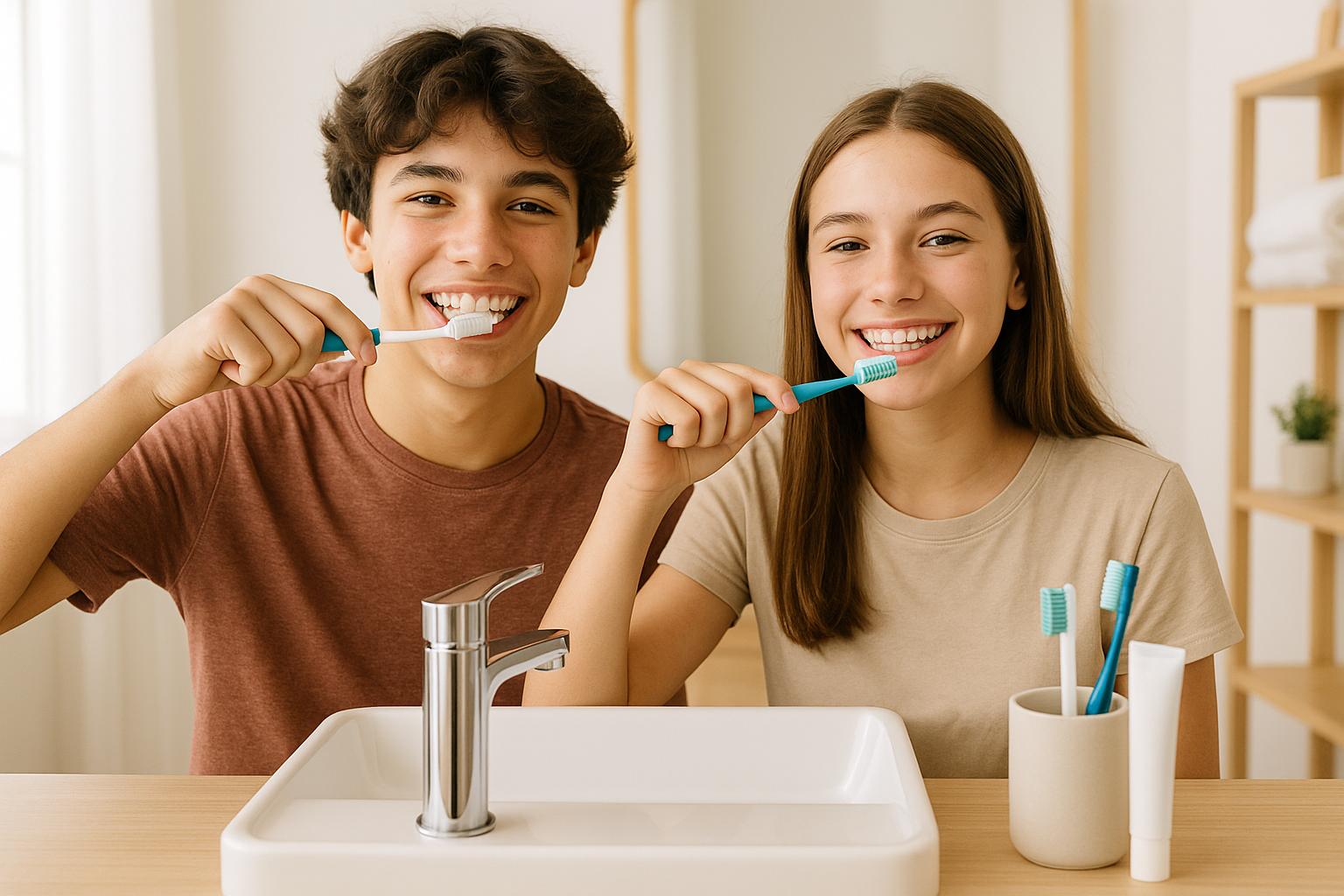
Teenagers often neglect oral health, but these years are crucial for building lifelong habits. Hormonal changes, sugary diets, and busy schedules make teens more prone to tooth decay, gum issues, and other dental problems. Here’s how parents, educators, and teens themselves can tackle these challenges:
- Understand the risks: Over 57% of teens have dental caries, and 73% experience gum bleeding due to hormonal changes.
- Daily habits matter: Brushing twice daily, flossing, and using tools like disclosing tablets or electric toothbrushes can simplify oral care.
- Diet impacts teeth: Excessive sugar, acidic drinks, and frequent snacking increase decay risks. Water, calcium-rich foods, and crunchy fruits/veggies help protect teeth.
- Professional care is key: Regular dental check-ups, orthodontic care, and preventive treatments like fluoride or sealants are vital.
- Motivate with appearance: Teens care about their looks. Highlight how good habits lead to a brighter smile, fresher breath, and confidence.
Dental Hygiene in Adolescents & Teens – On Call for All Kids
Common Teen Oral Health Problems
Teenagers face unique oral health challenges that require attention from both parents and educators to help establish lifelong dental care habits. These years come with specific risks that, if ignored, can lead to serious long-term dental issues.
How Hormones Affect Oral Health
Puberty brings hormonal changes that can complicate oral health. For teenage girls, rising levels of oestrogen and progesterone, and for boys, increased testosterone, can affect the gums and teeth [3]. These hormonal shifts boost blood flow to the gums, making them more sensitive to plaque and bacteria [2, 13]. Teens may notice symptoms like red, swollen, or bleeding gums, even when brushing gently [2]. This increased sensitivity and the altered chemistry in the mouth can encourage bacterial growth, heightening the risk of gingivitis and tooth decay [3].
Diet and Lifestyle Impact
Diet and lifestyle choices play a huge role in the oral health of Australian teenagers. Between 70% and 73% of teens consume excessive amounts of sugar, with a single 600ml soft drink containing around 16 teaspoons of sugar [12, 17]. Alarmingly, only 68.5% of kids and teens aged 5 to 14 brush their teeth at least twice a day [9]. This leaves nearly a third of young Australians falling short of basic oral hygiene practices. Frequent snacking also increases the risk of enamel erosion due to acids produced by bacteria [11].
Lifestyle choices further compound these issues. About 39% of parents report that their children drink 2–5 soft drinks weekly [12], and many teens regularly consume acidic drinks like sports beverages, cordials, and fruit juices, which can harm teeth [10]. For teens wearing braces or other orthodontic devices, the risks are even greater, as food particles can easily get trapped, creating a breeding ground for bacteria if proper cleaning isn’t maintained. These dietary and lifestyle habits often lead to untreated dental problems.
Untreated Dental Issues in Australian Teens
The prevalence of untreated dental problems among Australian teens highlights the urgent need for better education and timely care. According to a 2010 NSW Teen Dental Survey, 14- and 15-year-olds had an average DMFT (decayed, missing, filled teeth) score of 1.2, with 45.4% experiencing dental caries [7]. Among younger children aged 5–10 years, 42% suffer from tooth decay in their baby teeth, and 1 in 4 receive no treatment for it [5]. Globally, untreated dental caries in permanent teeth is the most common health condition, as reported by the Global Burden of Disease 2021 [6]. The good news? Most of these problems are preventable and treatable when addressed early. By focusing on education and early intervention during the teenage years, many of these oral health challenges can be effectively managed.
Building Daily Oral Hygiene Habits
Fitting consistent oral hygiene into a busy teen’s schedule can be a challenge. Between school, sports, work, and social commitments, dental care often takes a backseat. But building these habits during teenage years sets the stage for healthy teeth and gums well into adulthood. Here’s how to make oral hygiene a seamless part of daily life.
Proper Brushing and Flossing Techniques
Getting brushing and flossing right is key to keeping teeth and gums healthy. Start by holding your toothbrush at a 45° angle and using small circular motions to clean without harming your gums or enamel [13][14][16]. Make sure to cover all surfaces of your teeth: outer, inner, and chewing areas.
Dentists recommend brushing for at least two minutes to thoroughly clean every tooth [13][14]. Don’t skip brushing your tongue – it helps cut down on bacteria that cause bad breath and other oral health problems [13][14][16].
Flossing is just as important. Use about 18–20 inches of floss, wrapping most of it around your middle fingers, leaving about 5 centimetres to work with [16]. Gently slide the floss between your teeth in a back-and-forth motion, curving it into a "C" shape to clean below the gum line [16]. If traditional flossing feels tricky, try floss picks or water flossers – they’re great alternatives [13][17]. Flavoured floss, like mild mint, can also make the experience more pleasant for younger teens [17][18]. Electric toothbrushes with built-in timers are another fantastic tool to ensure a thorough clean [13][17]. Incorporating these methods into your daily routine can make a big difference.
Tools to Help Stay on Track
Consistency is easier when oral care fits into a teen’s lifestyle. Tools like phone reminders or dental apps can provide gentle prompts to brush and floss [19][21]. Some apps even turn brushing into a game, making it more enjoyable.
Playing a favourite song while brushing can help ensure you stick to the recommended two minutes [15][20]. Multitasking – such as reviewing notes or watching short videos – might also make the routine feel less like a chore [19].
Visual aids can be helpful too. Disclosing tablets, which temporarily stain plaque, show areas that need more attention during brushing [15]. Establishing a fixed schedule – like brushing right after waking up, before school, or as part of a bedtime routine – can make oral hygiene second nature [20][21]. Keeping travel-sized dental supplies in school bags, sports kits, or lockers ensures you’re prepared for quick touch-ups during packed days [19].
Why Regular Dental Visits Are Essential
Teenage years are a critical time for dental check-ups, especially as teeth and gums are still developing. Between ages 12 and 14, regular visits to the dentist – typically every six months – are vital [23]. Some teens might need more frequent appointments depending on their specific needs [23]. These visits allow dentists to monitor tooth alignment, gum health, and the growth of wisdom teeth, which often start to appear around age 17 [23].
For teens with braces, dental visits are even more important. Braces can trap food and bacteria, making professional cleanings essential [23]. These check-ups also provide an opportunity for teens to hear advice from someone other than their parents. Dentists often explain how daily habits affect oral health in a way that’s both educational and approachable [15][24]. Over time, these appointments help build a lifelong commitment to keeping teeth and gums in great shape [24].
Teen-Specific Dental Concerns
The teenage years bring their own set of challenges when it comes to oral health. With appearance and daily routines playing a big role in their lives, teens often face unique dental issues. By understanding these concerns, parents and educators can help guide them towards better habits and long-term oral health.
Using Appearance to Motivate Good Habits
Teens care deeply about how they look, and this can be a great way to encourage better dental care. More than half of teenagers have had a cavity in an adult tooth [22]. Pointing out how poor dental hygiene can lead to yellow teeth, bad breath, or visible decay might help them see the connection between their habits and their smile. Compliments like “Your smile looks fantastic” or “It’s clear you’ve been taking care of your teeth” can also boost their motivation to stick with healthy routines.
Good oral health doesn’t just help with appearances – it’s also essential for managing the practical challenges many teens face, like braces or oral piercings.
Caring for Braces and Oral Piercings
Braces and oral piercings both require extra care to avoid problems.
For teens with braces, cleaning is key. Using a soft or electric toothbrush angled at 45° helps clean around brackets, and tools like floss threaders or interdental brushes can tackle harder-to-reach spots. If brushing right after a meal isn’t possible, rinsing with water or mouthwash is a good backup. Teens should also check in with their orthodontist if brackets become loose or broken [27].
Oral piercings come with risks like infections, chipped teeth, and gum damage [25]. To reduce these risks, piercings should always be done by a professional who follows proper hygiene standards. Daily care includes rinsing with an alcohol-free, antibacterial mouthwash – especially after eating – and brushing gently around the piercing area twice a day [25][26]. Teens should wash their hands before touching the piercing and ensure the jewellery stays secure [25]. Plastic jewellery is less likely to damage teeth compared to metal options [28]. During the healing process, it’s best to avoid alcohol, smoking, and spicy foods while opting for cold drinks and keeping the head elevated to reduce swelling [29]. If signs like severe redness, bleeding, pain, or pus appear, it’s important to see a professional right away [25].
For teens involved in sports, protecting their teeth from injuries is another critical aspect of dental care.
Protecting Teeth During Sports
Sports can be a major cause of dental injuries for teens in Australia. In fact, nearly 40% of dental injuries in the country are sports-related, and athletes in high-contact sports are 60 times more likely to suffer dental accidents without protection [31][30]. Despite this, only about 25% of young athletes regularly wear mouthguards [32][33].
Mouthguards are essential because they absorb impact, protecting teeth and even reducing the risk of head injuries [32]. The Australian Dental Association strongly advises wearing a mouthguard for any sport where there’s a chance of mouth or dental injury [30].
"Any competitive sport where there is the risk of something hitting the mouth benefits from the protection of a mouthguard." – Stephen Mitchell, DMD, a professor in UAB SOD [32]
Custom-fitted mouthguards are a better option than generic ones, offering improved comfort, easier breathing, and better protection [31]. While these can cost between $200 and $400 in Australia, they’re a worthwhile investment compared to the potential cost of dental treatments [34][30].
To keep a mouthguard effective, it’s important to clean it daily by brushing it and occasionally soaking it in an over-the-counter denture cleaner [32]. Mouthguards should be replaced if they show wear, become loose, or feel uncomfortable [35]. For high-impact sports like hockey or football, combining a mouthguard with helmets and face shields offers the best protection [33]. A dentist or orthodontist can also help create a personalised plan to prevent sports-related dental injuries [32].
sbb-itb-2be92ed
Healthy Diet and Lifestyle Choices
Good oral health for teens goes beyond brushing and flossing – it’s also about making smart dietary and lifestyle choices. What teens eat and drink plays a huge role in their dental health, and understanding this connection can guide parents and educators in encouraging better habits. The best part? Even small changes can lead to noticeable improvements.
How Food Affects Your Teeth
Daily brushing is key, but pairing it with thoughtful eating habits strengthens the foundation for healthy teeth. Here’s the thing: bacteria in the mouth thrive on sugars, producing acids that wear down enamel. Sugary and acidic foods are the main culprits behind tooth decay, and every time teens consume these, the decay process kicks into gear [36].
Unfortunately, convenience and peer pressure often steer teens toward sugary fast foods [37]. From school canteens to vending machines and parties, the easy options are often the least tooth-friendly.
Water is a game-changer when it comes to protecting teeth. It rinses away food particles, bacteria, and acids while boosting saliva production – a natural defence against decay [36]. Encouraging teens to choose tap water over sugary drinks is a simple but effective step, especially since most Australian tap water contains fluoride for added protection [38].
Snacking on nutrient-rich foods like cheese, apples, and carrots can also safeguard teeth. Dairy products and crunchy fruits and vegetables stimulate saliva and provide essential nutrients that keep teeth strong [38]. Cheese, milk, celery, and similar options are excellent choices for supporting oral health.
Timing matters, too. Cutting back on snacking between meals reduces acid exposure, giving teeth time to recover [38]. And when snacking is unavoidable, chewing sugar-free gum after meals can help by promoting saliva production, which neutralises acids [38].
Parents and educators should also be mindful of how eating disorders and fad diets affect oral health. Extreme dietary restrictions or purging behaviours can lead to enamel loss and an increased risk of decay, sometimes requiring professional intervention [37]. These issues highlight the importance of a balanced diet not just for overall health but for oral health as well.
Dangers of Tobacco and Vaping
The growing popularity of vaping among Australian teens has introduced new challenges for oral health. As of May 2023, one in four Australians aged 18 to 24 were vaping [40], making this a pressing issue.
Despite its trendy image, vaping has serious consequences for teeth and gums. It accelerates tooth decay, gum disease, and bleeding by altering the balance of bacteria in the mouth [40]. In fact, studies show that vaping can damage teeth faster than smoking [40]. It creates a sticky, chemical-laden residue on teeth and gums that’s tough to remove, even with diligent brushing.
Vaping also slows down the healing process. Even after just 12–18 months of vaping, users experience delayed healing comparable to someone who has smoked for 5 years [40]. This can complicate recovery from dental injuries or procedures.
"Not enough time has passed since vaping became popular to assess the long-term dangers. Unfortunately, everybody’s an experiment right now." – Dr Crystal Stinson, Texas A&M College of Dentistry [40]
Traditional smoking remains equally harmful. It increases the risk of gum disease, mouth cancer, tooth decay, and tooth loss [39]. By reducing blood flow to the gums and encouraging bacterial growth, smoking creates the perfect conditions for severe dental problems.
In response to these concerns, Australian vaping laws have been tightened. Vapes are now only available in pharmacies for smoking cessation or nicotine management [41]. Flavours are limited to mint, menthol, and tobacco, and packaging must follow plain pharmaceutical standards [41]. These measures aim to curb the appeal of vapes, which often target young people with bright packaging and sweet flavours [41].
Setting a Good Example
Parents and educators play a pivotal role in shaping teens’ habits. Leading by example is one of the most powerful ways to influence behaviour [42]. When adults consistently practise good oral hygiene and make healthy food choices, teens are more likely to follow suit.
Starting these conversations early – ideally before puberty – can make a big difference [42]. Discussing not just brushing and flossing but also how food and drink choices affect oral health helps lay the groundwork for healthy habits. Open, honest discussions about body changes and hygiene are equally important [42].
"Good hygiene is important for pre-teen and teenage health and confidence." – Raising Children Network [42]
Parents can involve teens in grocery shopping and meal planning, explaining why certain foods are better for their teeth. For example, choosing water over soft drinks, and including calcium-rich foods, fresh fruits, and vegetables in meals, teaches by doing [44].
Making healthy options easy to access also helps. Keeping snacks like sliced apples with peanut butter, cheese cubes, or carrot sticks with hummus on hand encourages teens to pick tooth-friendly foods [44].
For parents who smoke or vape, quitting can send a strong message about prioritising health [41]. Starting a conversation with teens about vaping, understanding their reasons, and offering support to quit can create a safe space for change [41]. Rewarding progress rather than criticising mistakes is a more effective way to encourage positive decisions.
The stakes are high: about half of Australian teens have experienced dental decay in their permanent teeth [43]. By creating supportive environments and setting a good example, parents and educators can help teens build habits that lead to a lifetime of strong, healthy teeth.
Professional Dental Care for Teens
While home care is crucial, professional dental care plays a key role in spotting and preventing oral health issues in teens. Regular dental check-ups not only catch problems early but also prevent them from escalating. With nearly 50% of teenagers experiencing dental caries [45], timely professional attention becomes vital for maintaining their oral health. When combined with daily care routines, professional oversight ensures a comprehensive approach to dental well-being.
Teenagers face unique dental challenges. Hormonal shifts, diet choices, and lifestyle habits can heighten oral health risks that basic home care may not fully address. Professional dental services cater to these specific needs with targeted treatments and consistent monitoring during this transformative phase.
Preventive and Specialist Treatments
Routine dental visits are invaluable for early detection, often leading to simpler and less expensive treatments. Preventive care such as professional cleanings, fluoride applications, and fissure sealants are especially important [8].
Fluoride treatments provided by professionals use higher concentrations than regular toothpaste, reducing tooth decay by up to 43% in primary teeth and 37% in permanent teeth [47]. Depending on individual needs, these treatments – whether varnish, foam, or gel – can address issues like sensitivity, early decay, or white spot lesions that may appear after orthodontic treatments [47].
Orthodontic evaluations are another priority during the teen years. Since the jaw is still developing, this is the ideal time to correct alignment issues. Modern solutions like clear aligners offer a discreet alternative to traditional braces, making the process more appealing for self-conscious teens.
Wisdom teeth monitoring is also essential. Since these teeth typically emerge between the ages of 17 and 25, regular X-rays help dentists track their development and recommend timely action to avoid complications like crowding or impaction.
For teens involved in sports, protecting their teeth is crucial. Refer to the earlier section on mouthguard protection for detailed guidance.
Dental sealants provide an extra layer of defence by coating the chewing surfaces of molars, preventing decay in the grooves where plaque often accumulates [8].
Finding the Right Dental Practice
Selecting the right dental practice is just as important as the treatments themselves. Parents should ensure that the dentist is a graduate of an accredited dental school and holds a valid licence [46]. A dentist with experience in both paediatric and adult care is often best equipped to manage the transitional needs of teenagers [46].
A practice offering a wide range of services – such as preventive care, restorative treatments, and orthodontics – can save families the trouble of seeking multiple specialists [46]. Moreover, a welcoming and supportive environment can help ease any dental anxiety teens may have. Staff who take the time to explain procedures and answer questions can make visits more positive and reassuring [46].
Advanced tools like digital X-rays and intraoral cameras not only improve diagnostics but also engage teens in understanding their oral health [46].
Practical factors, including the practice’s location, flexible appointment times, and payment plans, also play a role in making dental care accessible for families [46].
Take Complete Smiles Bella Vista, for example. This practice offers a comprehensive range of services, from routine check-ups to specialised treatments like orthodontics and Invisalign. Led by Dr. James Hanna, the team prioritises personalised care and advanced techniques to meet the specific oral health needs of teenagers.
Online reviews and recommendations can provide additional insights into a dental practice. Feedback on the dentist’s expertise, office atmosphere, appointment availability, and communication with families can help parents make an informed choice [46].
Conclusion: Building Lifelong Oral Health Habits
Helping teens develop strong oral health habits is a gift that keeps on giving. As we’ve seen, many teenagers face dental challenges that could be avoided with early and consistent care [1]. Building these habits during adolescence sets the stage for a lifetime of healthy smiles.
The teenage years are a critical time when lifelong behaviours are established. Combining age-appropriate dental care with smart dietary choices can make a real difference [1]. The habits formed now will benefit them well into adulthood.
Consistency and education play a huge role in this process [49]. When parents prioritise their own oral hygiene – brushing, flossing, attending regular dental check-ups, and making healthy food choices – they set a powerful example. Actions often speak louder than words, and teens are more likely to follow what they see than what they’re told.
Making oral care feel less like a chore and more like a choice can also encourage commitment. Allowing teens to pick their own toothpaste flavours or invest in an electric toothbrush with fun features gives them a sense of ownership [48]. This small sense of autonomy can go a long way in making these habits stick.
For many teens, the link between oral health and appearance serves as a natural motivator. Explaining how proper dental care can lead to fresher breath, whiter teeth, and a more confident smile can resonate with their growing self-awareness. This isn’t about vanity – it’s about using their own priorities to reinforce healthy behaviours.
Schools also play an important role in supporting these efforts [4]. Programmes and resources offered through dental health services can complement what teens learn at home [50]. When messages about oral health come from trusted sources across different environments, they’re more likely to sink in.
"As a parent, your influence on your child’s oral health is invaluable. By setting a good example, establishing good habits, encouraging healthy choices, and making regular dental check-ups a priority, parents can help their children achieve a healthy and confident smile that will last a lifetime." – Healthy Kids Nurtured by Nature [51]
Adolescence brings unique challenges, from hormonal changes that can affect gum health to dietary temptations and new routines. But it’s also a time of opportunity. As teens begin to explore their independence, it’s the perfect chance to guide them toward taking ownership of their health.
As outlined in this guide, consistent care and targeted education are the backbone of building lasting oral health habits. There may be setbacks, but with steady encouragement and support, the effort will pay off. The habits your teenager establishes today will safeguard their smile, overall health, and confidence for years to come.
FAQs
How can I encourage my teenager to develop good oral hygiene habits?
Motivating teenagers to stick to good oral hygiene habits can feel like an uphill battle, but there are some practical ways to make it more manageable. One of the simplest approaches is to lead by example. If they see you taking your own oral care seriously, they’re more likely to follow your lead.
You can also make oral care routines more appealing by letting them personalise their experience. For instance, allow them to pick out a toothbrush in their favourite colour or a toothpaste with a flavour they enjoy – small choices like these can make a big difference.
Another effective strategy is using positive reinforcement. Acknowledge their efforts with praise or small rewards to keep them motivated. It also helps to explain the benefits of maintaining good oral health, like avoiding painful dental problems or enjoying a confident smile.
For an easy-to-follow plan, suggest the 3-3-3 rule: brush for three minutes, twice a day, and floss at least three times a week. And don’t forget the importance of regular dental check-ups – they’re key to reinforcing healthy habits and catching any issues before they become bigger problems.
How do hormonal changes during adolescence affect a teenager’s oral health?
During adolescence, the surge in oestrogen and testosterone can cause gums to become more sensitive, making them more susceptible to swelling and inflammation. This increased sensitivity can lead to a higher risk of gingivitis and other gum issues if oral hygiene isn’t kept up.
To help teens maintain healthy teeth and gums during this phase, it’s important to encourage consistent habits like brushing twice a day, flossing regularly, and scheduling routine dental check-ups. These practices can go a long way in preventing potential oral health problems.
How can diet and lifestyle choices affect teenagers’ oral health, and what can parents do to encourage better habits?
Diet and lifestyle choices have a big impact on teenagers’ oral health. Eating a well-rounded diet packed with calcium, vitamins, and minerals – from foods like dairy products, leafy greens, nuts, and whole grains – helps build stronger teeth and healthier gums. But indulging too often in sugary or acidic snacks and drinks? That’s a fast track to tooth decay and worn-down enamel.
Parents can make a difference by encouraging healthier choices, like swapping out soft drinks and sugary treats for water and nutrient-rich foods. Leading by example with your own oral care routine and making regular dental check-ups a family habit can set teens up for a lifetime of good oral health.
Related Blog Posts
- Cultural Sensitivity in Dentistry: Key Challenges and Solutions
- Phases of Dental Treatment Planning
- Toothbrushing Tips for Kids by Age
- How Often Kids Need Dental Check-Ups
Important Notice: Any surgical or invasive procedure carries risks. Before proceeding, you should seek a second opinion from an appropriately qualified health practitioner.
Individual results may vary. The information provided in this article is for educational purposes only and does not constitute medical advice.
Checkout Related Blogs




Get in touch with us
For more information, call us now to start feeling better. Or fill the form below to make appointment
The Latest News from Complete Smiles
How to Clean Clear Plastic Retainers
Checklist for Choosing Wearable Dental Devices
Checklist for Choosing Cloud AI Platforms in Dentistry

Complete Smiles Bella VistaAccepts All Major Health Funds, Including





