





Ultimate Guide to Toothbrushing Mistakes
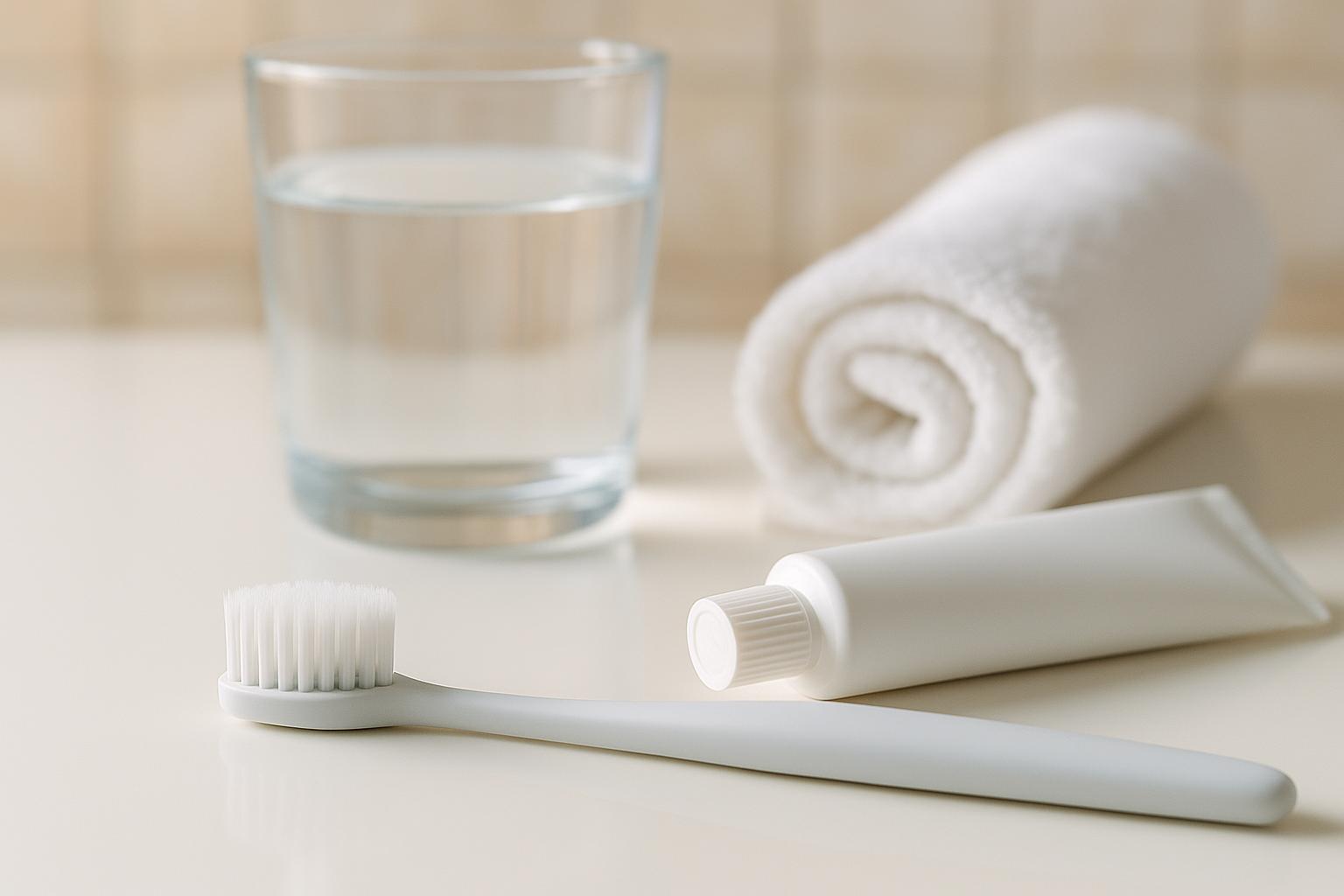
Brushing your teeth twice daily is a great habit, but many people unknowingly make mistakes that harm their oral health. Common errors like brushing too hard, not brushing long enough, or using the wrong toothbrush can lead to gum damage, enamel erosion, and even tooth loss. Neglecting areas like the gum line or tongue, brushing right after acidic meals, or improper toothbrush care can also cause long-term issues.
Here are the key takeaways:
- Brushing Too Hard: Use gentle pressure to avoid gum and enamel damage.
- Not Brushing Long Enough: Spend at least two minutes brushing, dividing your mouth into four sections.
- Skipping Gums and Tongue: Clean your gum line and tongue to reduce bacteria and bad breath.
- Improper Toothbrush Care: Replace your toothbrush every 3–4 months and store it in a dry, open space.
- Brushing After Acidic Foods: Wait 30 minutes after eating acidic foods to protect your enamel.
Most Common Toothbrushing Mistakes
Brushing Technique Mistakes
Getting your brushing technique right is essential for maintaining good oral health. Even small mistakes can have long-term consequences.
Brushing Too Hard
Brushing harder doesn’t mean brushing better. In fact, scrubbing too forcefully can wear down your enamel and damage your gums. Over time, this can lead to gum recession, exposing the sensitive roots of your teeth and increasing discomfort. Instead, aim for gentle pressure – just enough for the bristles to bend slightly against your teeth without flattening completely.
Modern electric toothbrushes often come with pressure sensors that alert you if you’re brushing too hard. These tools can help prevent enamel damage and gum recession, which, unfortunately, can’t be reversed. Switching to a soft-bristled toothbrush and adopting lighter, circular motions can also make a big difference. If your toothbrush looks worn out after just a few weeks, it’s a sign you’re applying too much force.
Making small adjustments, like easing pressure and focusing on technique, can help protect your teeth and gums in the long run.
Not Brushing Long Enough
Speeding through your brushing routine might save time, but it won’t save your teeth. Brushing for less than the recommended two minutes can leave plaque and bacteria behind, increasing your risk of issues like gingivitis and periodontitis [1][2].
To ensure a thorough clean, divide your mouth into four sections and spend 30 seconds on each. Using a timer or an electric toothbrush with built-in alerts can help you stick to the full two minutes [1]. Skimping on time allows plaque to build up, and the bacteria in plaque produce acids that attack your enamel, leading to tooth decay and gum disease [1][2].
Take your time and make sure every tooth gets the attention it needs.
Skipping Gums and Tongue
Brushing isn’t just about cleaning your teeth – your gums and tongue need care too. Bacteria can hide along the gum line, leading to inflammation and bad breath. Similarly, your tongue can trap food particles and bacteria, contributing to an overall higher bacterial load in your mouth.
For your gums, angle the toothbrush at 45° and use gentle circular motions to clean where your teeth meet the gum line. This is crucial because gingivitis often starts in this area. Don’t forget your tongue – use your toothbrush or a tongue scraper to gently clean it from back to front. This step helps reduce bad breath and keeps bacteria in check.
Lastly, make sure you’re covering all tooth surfaces – inside, outside, and chewing areas. Short strokes and using the brush tip for hard-to-reach spots can help ensure nothing gets missed [1][2]. Paying attention to these often-overlooked areas can make a big difference in your oral health.
Toothbrush Care Mistakes
Taking care of your toothbrush is just as important as using the right brushing technique. Your toothbrush is your first line of defence against plaque and bacteria, but it needs proper care to perform its job well. Unfortunately, many people make simple mistakes that can compromise its effectiveness and even create hygiene issues.
Not Replacing Your Toothbrush
Old bristles just don’t cut it. Once the bristles on your toothbrush become frayed or bent, they can’t clean your teeth properly. The Australian Dental Association advises replacing your toothbrush every three to four months, but plenty of people hold on to theirs for much longer.
When bristles lose their shape, they can’t reach into those tight spaces between your teeth where bacteria like to linger. This means plaque can build up even if you’re brushing for the recommended two minutes with perfect technique.
Keep an eye out for signs of wear like flared, softened, or flattened bristles. And don’t forget to replace your toothbrush after you’ve been sick to avoid reinfection.
If you use an electric toothbrush, the same rules apply. Most electric toothbrush heads come with wear indicators – those coloured bristles that fade when it’s time for a replacement. A worn electric toothbrush head can be even less effective than a manual one because you might rely too much on the electric motion, not realising the bristles aren’t doing their job anymore.
Proper storage is just as important as regular replacement to keep your toothbrush working its best.
Wrong Storage Methods
How and where you store your toothbrush can make a big difference. One of the most common mistakes is keeping it in a closed container or travel case for too long. While these are fine for short trips, storing your toothbrush in an enclosed space can encourage bacteria to grow.
Moisture is your toothbrush’s worst enemy. After rinsing it, shake off any excess water and store it upright in a well-ventilated area. A simple toothbrush holder on your bathroom bench is ideal.
Make sure toothbrushes aren’t touching each other, especially if someone in your household has been unwell. Cross-contamination between brushes can spread germs, so give each one its own space to dry properly.
Avoid storing a wet toothbrush in a bathroom cabinet or medicine chest. These enclosed spaces trap moisture, creating the perfect environment for bacteria and other microorganisms to thrive. If you travel often, consider using a ventilated toothbrush case or ensure your toothbrush is completely dry before packing it away.
Some people try to sanitise their toothbrushes using microwaves, dishwashers, or harsh chemicals. These methods can damage the bristles and handle, reducing the toothbrush’s effectiveness. A simple air-dry in an open, well-ventilated spot is all you need to keep it clean and ready for use.
sbb-itb-2be92ed
Timing and Frequency Mistakes
When it comes to oral health, your brushing schedule matters more than you might think. While brushing at any time is better than not brushing at all, when you brush can make a big difference in protecting your teeth and gums.
Brushing Right After Meals
Brushing immediately after eating acidic foods or drinks – like orange juice, coffee, or citrus fruits – is a common mistake. These acids temporarily soften your enamel, so brushing right away can actually wear it down. Instead, wait at least 30 minutes (ideally an hour) to let your saliva neutralise the acids first [3][4][6]. Similarly, after consuming sugary foods or drinks, bacteria in plaque produce acids for about 20 minutes, continuing to attack your enamel [6].
Here’s a tip: Brush in the morning before breakfast, not after. Overnight, bacteria accumulate in your mouth, leading to plaque formation and that dreaded morning breath [3][4][5]. Brushing first thing clears out these bacteria and creates a protective layer over your enamel, shielding it from the acids in your breakfast foods and beverages [3][4][5].
Brushing also stimulates saliva production, which helps naturally clean your teeth [4]. Sticking to a consistent schedule is essential – irregular brushing can make it harder to maintain healthy teeth and gums.
Missing Brushing Sessions
Timing aside, skipping brushing sessions entirely is a major setback for oral health. Plaque doesn’t take a day off, and missing even one session gives it a chance to build up. Dentists recommend brushing twice a day to keep plaque under control and maintain overall oral hygiene. Missing just one morning session can already start to affect your teeth [4][5].
Other Oral Hygiene Considerations
Taking care of your teeth goes beyond brushing. While brushing is essential, it’s not enough to reach every corner of your mouth. Areas between your teeth and along the gum line need extra attention to stay healthy.
Flossing and Interdental Cleaning
Flossing and using interdental cleaners are key to removing plaque from those tricky spots your toothbrush can’t reach. By cleaning between your teeth, you can help prevent decay and gum issues. If flossing feels awkward or difficult, consider alternatives like interdental brushes or water flossers – they’re effective and easy to use.
Regular Dental Check-Ups
Even with the best at-home care, plaque can harden into tartar, which only a professional can remove. That’s why regular dental check-ups – ideally every six months – are so important. Dentists can catch problems early and provide preventive treatments, while professional cleanings ensure those hard-to-reach areas are properly cared for. Plus, dental hygienists can offer tips to refine your technique and improve your overall routine.
If you’re looking for expert dental care, Complete Smiles Bella Vista (https://completesmilesbv.com.au) provides personalised services tailored to your needs.
Conclusion
Small tweaks to your brushing habits can make a big difference to your oral health.
Brushing for two minutes, twice a day, is key to removing plaque and preventing tartar buildup. The Australian Dental Association emphasises this practice, and the statistics speak for themselves: 57% of adolescents have had cavities in their permanent teeth [7], gum disease causes more tooth loss in adults over 35 than decay [8], and there’s even a link between gum disease and a higher risk of heart attacks and strokes [7]. Clearly, brushing properly isn’t just about your teeth – it’s about your overall health.
The good news? These problems are avoidable. By holding your toothbrush at a 45-degree angle and using gentle, circular motions, you can improve your technique. Spend about 30 seconds on each section of your mouth, and you’re already ahead. Pair this with regular flossing, smart meal planning, and routine dental check-ups, and you’re setting yourself up for healthier teeth and gums for life.
A consistent, thoughtful approach to brushing – focused on the right pressure, timing, and care – can lead to lasting improvements in your oral health.
FAQs
Why should you wait before brushing your teeth after eating acidic foods?
It’s a good idea to wait at least 30 minutes before brushing your teeth after consuming acidic foods or drinks. Acids can temporarily weaken your tooth enamel, and brushing too soon might actually wear it away. Giving it some time allows your saliva to naturally neutralise the acid and lets the enamel strengthen again, reducing the risk of damage.
This small adjustment to your routine can go a long way in protecting your enamel and keeping your teeth healthy.
How do I know if I’m brushing my teeth too hard, and how can I fix it?
Brushing too hard can cause gum recession, make your teeth more sensitive, lead to bleeding gums, and even wear down your enamel. If you’re noticing any of these issues, it’s a sign that your brushing technique might need a little tweaking to keep your teeth and gums healthy.
Here’s how to fix it: use a soft-bristled toothbrush and hold it at a 45-degree angle against your gum line. Brush with light pressure, using small, circular motions instead of scrubbing back and forth. Aim to brush for at least two minutes twice a day, and try not to grip the toothbrush too tightly. Switching to an electric toothbrush with a pressure sensor can also be a game-changer, as it helps you avoid brushing too hard without even realising it.
If you’re still worried about your brushing technique or dealing with ongoing problems, it’s a good idea to check in with your dentist. They can offer tailored advice and keep an eye on your oral health to prevent any long-term damage. Regular dental visits are key to catching and addressing issues early.
How should I store my toothbrush to keep it clean and hygienic?
To keep your toothbrush in good condition and reduce bacterial growth, store it upright in a holder that allows proper air circulation so it can dry completely. Avoid using closed containers, as they trap moisture, creating a perfect environment for bacteria. Make it a habit to clean your toothbrush holder once a week with warm, soapy water to maintain hygiene. Replace your toothbrush every three months, or sooner if the bristles start to fray, as worn bristles are less effective at cleaning your teeth.
Related Blog Posts
- Toothbrushing Tips for Kids by Age
- How Smart Toothbrushes Improve Oral Hygiene
- Checklist for Baby Teeth Care: Ages 0-5
- Top 5 Mistakes in Manual Toothbrushing
Important Notice: Any surgical or invasive procedure carries risks. Before proceeding, you should seek a second opinion from an appropriately qualified health practitioner.
Individual results may vary. The information provided in this article is for educational purposes only and does not constitute medical advice.
Checkout Related Blogs




Get in touch with us
For more information, call us now to start feeling better. Or fill the form below to make appointment
The Latest News from Complete Smiles
How to Clean Clear Plastic Retainers
Checklist for Choosing Wearable Dental Devices
Checklist for Choosing Cloud AI Platforms in Dentistry

Complete Smiles Bella VistaAccepts All Major Health Funds, Including





