





Training Caregivers in Elderly Oral Health
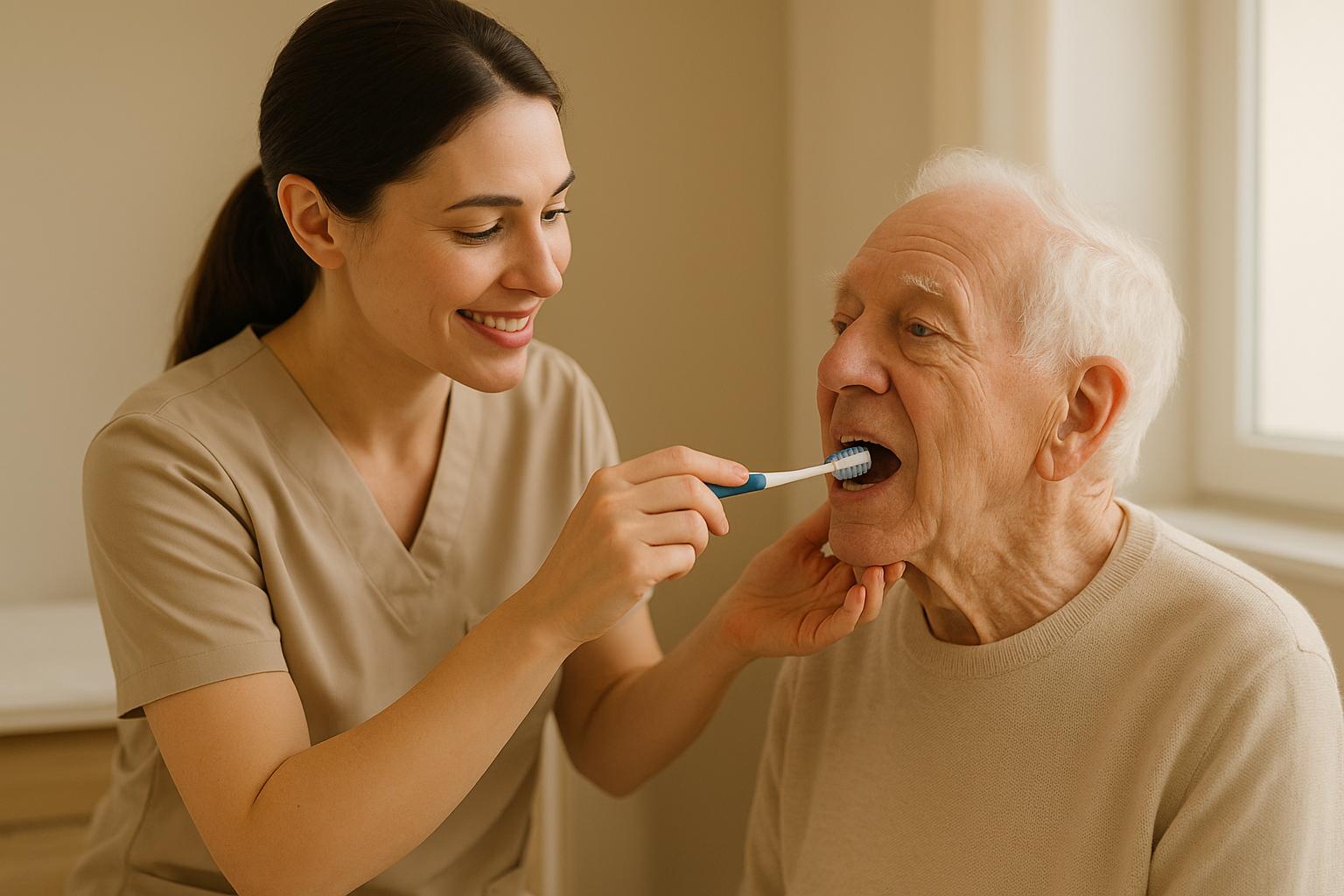
Oral health is often overlooked in aged care, yet it directly impacts elderly Australians’ overall health, contributing to conditions like malnutrition, aspiration pneumonia, and cardiovascular disease. Shockingly, only 16% of nursing home residents receive daily oral care. This gap stems from issues like understaffing, lack of training, and limited access to dental professionals.
Caregivers face challenges such as time constraints, inadequate supplies, and resistance from residents, especially those with dementia. Many feel unprepared due to informal training and a lack of knowledge about oral health’s connection to systemic diseases. Structured training programs are crucial to address these gaps, focusing on:
- Oral health basics: Understanding the link between oral and overall health, recognising common issues like gum disease, and prevention strategies.
- Daily care techniques: Toothbrushing, denture care, and managing resistant or cognitively impaired residents.
- Professional care escalation: Identifying signs requiring dental intervention and navigating referral systems.
Effective training combines hands-on workshops, online courses, and partnerships with dental professionals. Regular evaluations of outcomes, such as reduced dental issues and improved resident health, ensure long-term success. By prioritising oral health, aged care facilities can improve residents’ quality of life and reduce healthcare costs.
Looking After The Mouth for Carers
Challenges Caregivers Face in Managing Elderly Oral Health
Caregivers in Australian aged care facilities face a mix of practical, knowledge-based, and patient-related obstacles that make managing oral health a complex task.
Physical and Access Barriers
Beyond the issue of neglect, caregivers often encounter physical and systemic hurdles. One pressing challenge is the lack of time. Chronic understaffing in Australian nursing homes creates high caregiver-to-resident ratios, leaving little room for thorough oral care when caregivers are stretched thin managing multiple daily tasks for numerous residents[2].
Another issue is the lack of essential oral hygiene supplies in many facilities[4]. Even when supplies are available, the absence of regular on-site dental health professionals complicates matters further[4]. Access to professional dental care is also restricted by the limited availability of home-based dental services and the lack of clear policies or sufficient resources to provide specialised care for frail older adults[5]. Poor coordination between dental and medical services only adds to the problem, leaving oral health concerns overlooked or unresolved[5].
Gaps in Caregiver Knowledge and Skills
A significant barrier stems from gaps in caregivers’ training. Many caregivers receive informal or on-the-job training rather than structured instruction in oral care techniques[4]. This lack of formal education means they may not fully understand the correct methods, frequency, or warning signs of oral health issues.
The knowledge gap goes deeper than brushing techniques. Many caregivers are unaware of the link between oral health and systemic diseases like aspiration pneumonia, respiratory illness, diabetes, and cardiovascular conditions[4]. Research using the Nursing Dental Coping Belief Scale highlights a disconnect between caregivers’ confidence in their abilities and their actual practices[4]. Even seasoned caregivers may struggle, often due to burnout or training that falls short of meeting the demands of their roles. These challenges are further compounded when residents resist oral hygiene efforts.
Patient Resistance and Cognitive Issues
Even with proper training, caregivers often face resistance from residents. Some residents refuse oral care altogether, while others may struggle with fear, anxiety, or depression, making cooperation more difficult[1][2]. For some, painful past dental experiences or a fear of dentists can lead to resistance, even during routine toothbrushing[6].
Cognitive impairments, such as dementia, add another layer of complexity. Residents with dementia may become agitated or uncooperative, making oral care a challenging task[1][2]. These conditions also make it harder for residents to express discomfort, so issues like dental pain, gum disease, or poorly fitting dentures may go unnoticed[1][6]. For example, a resident resisting care might actually be avoiding pain caused by an undiagnosed issue.
Physical limitations further complicate matters. Residents who cannot sit upright or move independently require careful positioning and additional assistance, making oral care more time-consuming and physically demanding for caregivers.
These intertwined challenges – insufficient resources, inadequate training, and patient resistance – highlight the urgent need for structured education programmes to equip caregivers with the skills and knowledge necessary to improve oral health outcomes for elderly Australians.
What Caregiver Training Programs Should Include
To bridge knowledge gaps and address practical challenges, caregiver training programs should offer a mix of theoretical insights and hands-on skills. This combination ensures caregivers feel confident managing elderly oral health needs.
Basic Oral Health Information
A strong foundation in oral health basics is essential for caregivers. Training should start by covering the anatomy of the mouth and how oral health ties into overall wellbeing. For example, poor oral health can significantly increase the risk of aspiration pneumonia, respiratory diseases, diabetes, and heart conditions[4]. By understanding these links, caregivers are more likely to prioritise oral care as a crucial part of daily routines.
Caregivers also need to recognise common oral health issues in older adults. Dental caries (cavities) remain a major problem due to lifelong plaque exposure and factors like smoking, poor diet, and arthritis, which can hinder regular oral hygiene[3]. Similarly, gingivitis and periodontal disease often go unnoticed until they cause severe damage. Alarmingly, nursing home residents frequently experience preventable oral health problems, such as pain and gum discomfort[4].
Other conditions caregivers should be trained to spot include dry mouth, toothaches, sensitive teeth, and chronic bad breath[7]. Early recognition of these issues can prevent them from escalating into more serious complications.
Prevention strategies are another key component. Training should highlight how regular toothbrushing, proper denture care, and staying hydrated can help avoid many common problems. It’s also crucial to address challenges specific to older adults, like reduced saliva caused by medications or difficulties maintaining hygiene due to arthritis. Caregivers should learn how to adapt their care to meet these needs effectively.
Daily Oral Hygiene Techniques
Practical training in daily oral care methods is at the heart of any successful program. Since caregivers are often responsible for brushing teeth and cleaning dentures, they need structured instruction to fill gaps left by informal or on-the-job learning.
Training should include demonstrations of toothbrushing techniques tailored for elderly patients. This includes guidance on positioning both the caregiver and the patient for effective access, brushing methods for those with limited mobility, and strategies for assisting partially cooperative individuals. Visual aids and written guides can serve as helpful references for ongoing use.
Denture care is another critical area where caregivers often feel underprepared. Training should cover cleaning techniques, proper storage, and how to identify issues like loose dentures or gum irritation caused by changes in bone structure over time[6]. Caregivers also need to learn how to assist with inserting and removing dentures, especially for residents with arthritis or limited hand strength. For patients who reject dentures due to discomfort, caregivers should be equipped with communication strategies to address their concerns.
For residents with cognitive impairments like dementia or Alzheimer’s, routine is vital. Caregivers should incorporate oral hygiene into daily schedules and use step-by-step guides or visual aids to make the process predictable and less intimidating[3]. Training should also include techniques for managing resistance or anxiety during oral care, such as using calm communication, building trust, and recognising when resistance signals underlying pain or discomfort. Non-verbal cues, like facial expressions or agitation, can often indicate dental issues in patients unable to articulate their symptoms[1].
Training must also consider real-world challenges. Many caregivers face time constraints and limited resources[4]. Programs should teach efficient techniques that integrate oral care into daily routines without creating additional strain.
With these daily care skills in place, caregivers also need to know when professional dental intervention is necessary.
When to Seek Professional Dental Care
Recognising when to escalate oral health concerns is just as important as daily care. Caregivers should be trained to identify signs that require professional attention, as delays can lead to severe complications.
Visible issues like cavities, swollen or bleeding gums, and missing teeth are clear indicators. However, less obvious signs – such as persistent bad breath, difficulty chewing, or complaints of tooth sensitivity – should also prompt action[7]. For residents with cognitive impairments, behavioural changes like refusing food, increased agitation during meals, or frequently touching their face may suggest dental pain[1].
Training should stress the importance of regular dental check-ups, where professionals can detect potential problems early, provide cleanings, and offer tailored advice for elderly patients[3]. Caregivers should also learn how to prepare residents for dental visits and communicate observations to dentists effectively.
Finally, caregivers need a clear understanding of referral systems and protocols. Training should outline who to contact, what information to document, and how to advocate for residents needing professional care. This ensures that oral health concerns are addressed promptly and appropriately within the healthcare system.
sbb-itb-2be92ed
How to Deliver and Maintain Caregiver Training
Developing effective caregiver training requires thoughtful planning, consistent support, and a way to measure its impact. By focusing on diverse delivery methods and long-term strategies, you can create programs that enhance both skills and confidence among caregivers.
Training Format Options
Studies indicate that using a mix of delivery methods yields the best results[4]. A combination of approaches ensures training accommodates caregivers’ varying learning styles and schedules.
In-person workshops are excellent for hands-on learning. These sessions allow dental professionals to demonstrate practical skills like proper toothbrushing, denture care, and spotting oral health issues. Caregivers can practice under supervision, ask questions, and get immediate feedback. This format works particularly well for teaching physical techniques.
Online courses offer the flexibility caregivers often need, especially in aged care settings where irregular shifts and multiple work locations are common. These courses allow participants to learn at their own pace, making them a practical option across Australia’s geographically dispersed workforce.
Hybrid training – combining online learning with occasional in-person sessions – strikes a balance between accessibility and practical skill-building. For example, caregivers can complete online modules on topics like the connection between oral health and overall health, then attend workshops to fine-tune their techniques and address specific challenges they encounter on the job.
Adding visual aids and step-by-step guides can further support caregivers, particularly when working with residents who have cognitive impairments. These tools standardise care routines and serve as quick-reference materials during daily tasks.
While these formats provide a solid foundation, ongoing support is key to ensuring lasting improvements.
Continued Support and Dental Professional Partnerships
One-off training sessions rarely lead to lasting change. Caregivers benefit significantly from ongoing support, particularly when dental professionals play an active role in the process[4].
Strong programs often involve partnerships where dental professionals act as mentors and resources. This could include regular on-site visits, refresher training sessions, and clear referral pathways for cases needing professional intervention. Such partnerships build caregivers’ confidence in handling complex situations and ensure they feel supported in their roles.
In Australia, dental practices like Complete Smiles Bella Vista can enhance training programs by offering specialised caregiver training, assisting with challenging cases, and helping facilities establish evidence-based oral health protocols. These collaborations not only provide professional guidance but also create referral pathways for residents needing consistent dental care. Practices that focus on prevention – such as routine check-ups and cleanings – help reinforce the skills caregivers develop, promoting better oral health outcomes.
Additionally, dental professionals can guide caregivers on when to escalate concerns, such as recognising signs of infection, gum disease, or oral pain requiring professional attention. Establishing clear communication protocols – like case conferences or written guidelines – ensures caregivers know how and when to seek advice.
Technology, like telehealth, can further strengthen these partnerships. Dental professionals can consult on complex cases remotely, reducing the need for on-site visits. Formal agreements outlining training schedules, support mechanisms, and performance goals help keep these collaborations effective over time.
Peer mentoring within facilities can also enhance training outcomes. Experienced caregivers can guide newer staff, reinforcing knowledge and fostering a culture of continuous learning.
These strategies ensure long-term improvements in caregiver competence and resident care.
How to Measure Training Success
Measuring the effectiveness of training involves evaluating clinical outcomes, processes, and knowledge retention[4].
Clinical outcomes are the most direct indicators of success. Facilities can track reductions in dental issues like cavities, gum disease, and oral discomfort through audits. Monitoring emergency dental visits and oral health-related incidents also reveals whether training helps prevent avoidable emergencies. In Australia, tracking improvements in nutritional health and reductions in aspiration pneumonia – both linked to oral health – offers additional insight[4].
Process measures focus on whether caregivers consistently follow daily oral hygiene routines and apply proper techniques. Observations and audits can identify gaps between training content and actual practice, highlighting areas for further support.
Knowledge assessments test caregivers’ understanding of oral health basics, common issues, and when to seek professional help. Pre- and post-training evaluations show learning progress, while periodic reviews measure knowledge retention.
Caregiver confidence and competence can be assessed using validated tools to identify discrepancies between how confident caregivers feel and their actual skill levels. This helps facilities provide targeted support where it’s needed most.
Satisfaction and engagement metrics offer valuable feedback for improving training programs. Surveys, focus groups, and informal discussions can reveal which aspects of training are most helpful and which need adjustment.
Long-term sustainability is another critical measure. Facilities should evaluate whether caregivers maintain good practices over time and whether training becomes an ongoing initiative rather than a one-time event. Documenting challenges and successful solutions creates a resource for future training efforts.
Acknowledging improvements in residents’ oral health as a result of caregiver training not only motivates staff but also highlights the value of investing in these programs. Regular evaluations of partnerships with dental professionals – focusing on how they impact caregiver confidence and resident outcomes – can help strengthen these collaborations over time[4].
Conclusion
Oral health plays a crucial role in the overall wellbeing of elderly individuals, yet only about 16% of nursing home residents receive daily oral care[2]. This disparity between the need for care and its delivery highlights an urgent issue that requires immediate action.
Key Challenges and Solutions
Caregivers face a range of obstacles, from managing residents with cognitive impairments to coping with chronic understaffing, limited training, and psychological barriers like the fear of causing harm[3][4]. These challenges often result in a gap between caregivers’ confidence in their abilities and their actual practices[4].
One effective approach to addressing this is structured training programmes. Studies show that training focused on oral and prosthetic hygiene improves care delivery outcomes[4]. The most effective programmes blend hands-on practice with theoretical knowledge, covering essential skills like identifying common oral health conditions and managing patient resistance.
Dental professionals play a vital role in bridging the gap between knowledge and practice. Their involvement in training and ongoing support significantly boosts caregivers’ confidence and competence[4]. In Australia, partnerships between aged care facilities and dental practices like Complete Smiles Bella Vista (https://completesmilesbv.com.au) can provide specialised training and help establish comprehensive oral health protocols.
Measuring success is equally important. Track clinical outcomes such as reduced dental caries and gum disease, evaluate caregivers’ adherence to proper techniques, and assess knowledge retention through regular reviews[4]. Additionally, monitor broader health improvements in residents, like lower rates of aspiration pneumonia and better nutritional intake, to gauge the systemic impact of improved oral care[4].
Actionable Steps for Caregivers and Organisations
To move forward, both caregivers and organisations must take proactive steps:
- For Caregivers: Seek out structured training that includes practical, hands-on learning. Build relationships with dental professionals to enhance your skills and confidence in providing quality oral care.
- For Organisations: Address systemic barriers by ensuring adequate staffing, allocating sufficient time and resources for oral care, and integrating regular support from dental professionals. Make oral health an integral part of daily routines rather than treating it as an afterthought. Partner with local dental practices to develop sustainable training programmes and establish clear referral pathways.
By investing in caregiver training and creating supportive systems, organisations can reduce complications and lower healthcare costs[4]. Equipping caregivers with the right knowledge, skills, and ongoing professional guidance is key to closing the gap between current practices and the standard of care elderly residents deserve.
Take the time to evaluate existing practices, identify areas for improvement, and collaborate with dental professionals to design tailored training initiatives. The health and quality of life of elderly Australians depend on these efforts.
FAQs
Why is oral health often overlooked in aged care facilities, and how does this affect the overall health of elderly residents?
Oral health often takes a backseat in aged care facilities, largely due to limited staff training, competing priorities, and the complexities of managing the dental needs of elderly residents. Many older adults also face mobility challenges or cognitive impairments, making it hard for them to maintain their oral hygiene without help.
When oral health is neglected, the consequences can be severe. Residents may experience pain, infections, and difficulty eating, all of which can significantly diminish their quality of life. Beyond the mouth, poor oral health has been linked to broader health problems, including heart disease, complications from diabetes, and respiratory infections. Providing caregivers with training in effective oral care techniques is a critical step toward addressing these issues and enhancing the overall health and comfort of elderly residents.
What training is essential for caregivers to support the oral health of elderly individuals, especially those with cognitive impairments?
Caregivers play an essential role in looking after the oral health of elderly individuals, especially those with cognitive challenges who may find daily oral care difficult. To support this, training should cover practical skills like proper brushing and flossing techniques, spotting signs of oral health problems (such as gum disease or dry mouth), and understanding how medications and diet can affect oral health.
It’s also crucial for caregivers to learn how to communicate effectively with elderly individuals facing dementia or other cognitive impairments. This might involve giving calm, clear instructions and practicing patience during oral care routines. Additionally, caregivers should be aware of the importance of regular dental check-ups to catch potential problems early and help maintain good oral health.
What strategies can aged care facilities use to address challenges like understaffing and limited resources to provide better oral care for elderly residents?
Aged care facilities have an opportunity to enhance oral care for their residents by focusing on specialised training for caregivers. With the right training, staff can gain the skills and knowledge necessary to manage oral health effectively, even when faced with challenges like tight schedules or limited resources.
Facilities can also make a difference by setting up clear oral care routines, ensuring residents have access to essential dental supplies, and working closely with dental professionals for regular check-ups and expert advice. By emphasising education and teamwork, aged care providers can play a key role in safeguarding both the oral health and overall well-being of their residents.
Related Blog Posts
- Training Healthcare Providers in Tooth Decay Prevention
- How Medical Conditions Affect Gum Health in Seniors
- Checklist for Oral Care in Dementia Patients
- How to Teach Oral Care to Patients with Disabilities
Important Notice: Any surgical or invasive procedure carries risks. Before proceeding, you should seek a second opinion from an appropriately qualified health practitioner.
Individual results may vary. The information provided in this article is for educational purposes only and does not constitute medical advice.
Checkout Related Blogs




Get in touch with us
For more information, call us now to start feeling better. Or fill the form below to make appointment
The Latest News from Complete Smiles
How to Clean Clear Plastic Retainers
Checklist for Choosing Wearable Dental Devices
Checklist for Choosing Cloud AI Platforms in Dentistry

Complete Smiles Bella VistaAccepts All Major Health Funds, Including





