





Toothache Remedy Finder
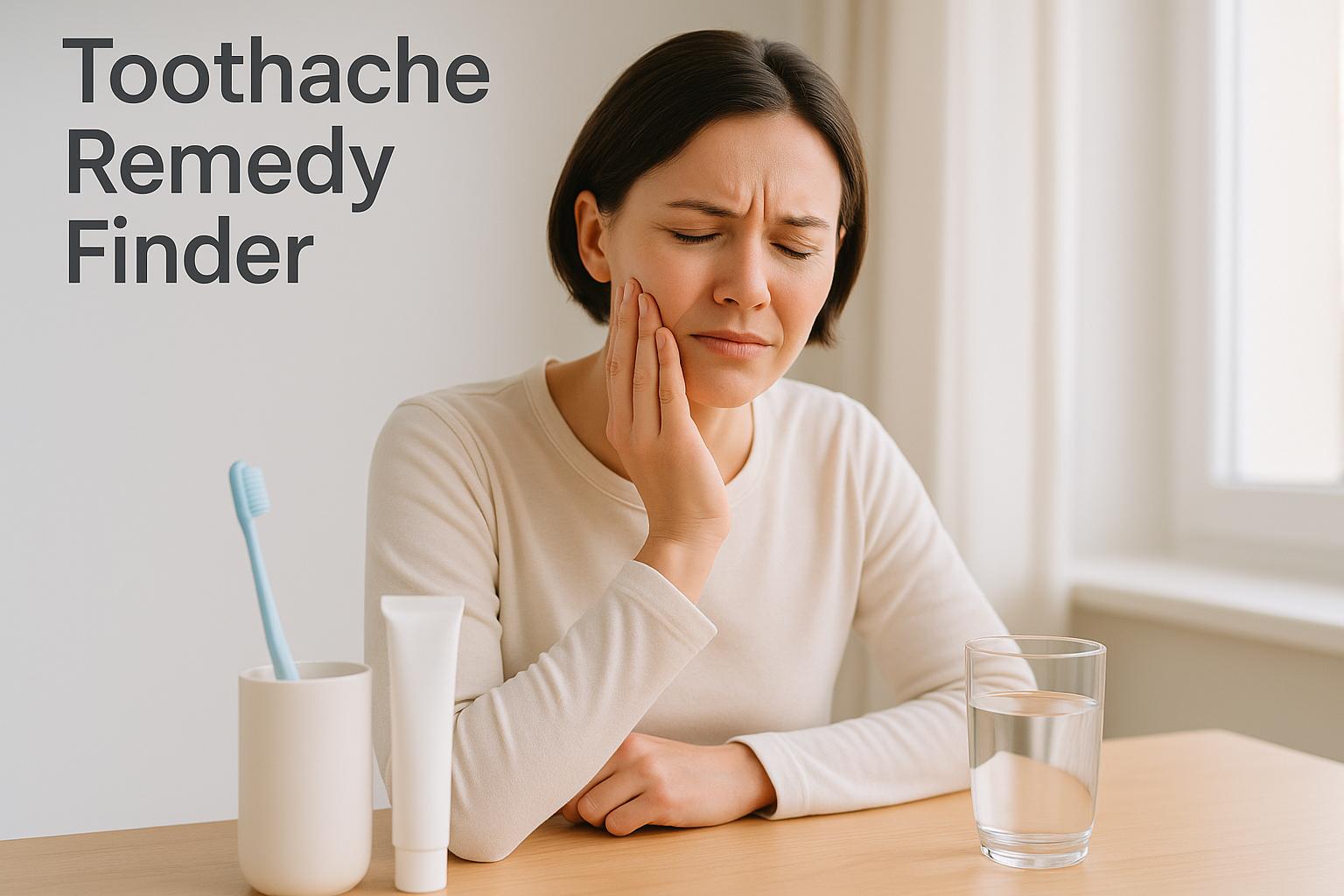
Struggling with Tooth Pain? Discover Quick Relief Options
Tooth discomfort can throw your whole day off, whether it’s a nagging ache or a sharp jab that stops you in your tracks. Finding fast, safe ways to manage dental pain at home can be a lifesaver while you wait for a dentist’s input. That’s where tools like our Toothache Remedy Finder come in handy, guiding you toward practical solutions based on your specific symptoms.
Why Tooth Pain Happens
Dental discomfort often stems from common issues like cavities, gum irritation, or even something as simple as food stuck between teeth. Sensitivity to hot or cold might point to enamel wear, while a persistent throb could hint at deeper decay. Whatever the cause, the first step is calming the pain so you can think straight. Simple tricks—think rinsing with warm saltwater or applying a cool cloth—can often dial down the intensity until you get professional care.
Don’t Ignore the Signs
While temporary fixes help, they’re no substitute for a proper check-up. If your symptoms linger or worsen, reaching out to a dental expert is crucial. Our guide to easing tooth discomfort is here to support you in the meantime, offering clarity and comfort when you need it most.
FAQs
Can home remedies really help with a toothache?
Yes, they can provide temporary relief in many cases. Things like a saltwater rinse or a cold compress can reduce inflammation or numb the area, easing discomfort for a bit. But they’re not a cure. If the pain sticks around or gets worse, it’s a sign something deeper is going on, and you’ll need to see a dentist to address the root cause. Think of these remedies as a stopgap, not a fix.
When should I see a dentist for my toothache?
If your pain is severe, lasts more than a couple of days, or comes with swelling, fever, or a bad taste in your mouth, don’t wait—book a dental appointment ASAP. These could be signs of an infection or serious damage that home remedies won’t touch. Even for milder aches, if they keep coming back, it’s worth getting checked to prevent bigger issues down the track.
Are the remedies suggested by this tool safe?
Absolutely, we’ve stuck to widely accepted, safe options like clove oil or ice packs that most people can use without worry. Each suggestion comes with clear instructions to avoid misuse. That said, everyone’s different—if you’ve got allergies or health conditions, double-check before trying anything. And remember, this tool isn’t medical advice; it’s just a guide to tide you over until you can get professional help.
Important Notice: Any surgical or invasive procedure carries risks. Before proceeding, you should seek a second opinion from an appropriately qualified health practitioner.
Individual results may vary. The information provided in this article is for educational purposes only and does not constitute medical advice.
Checkout Related Blogs



Get in touch with us
For more information, call us now to start feeling better. Or fill the form below to make appointment
The Latest News from Complete Smiles
How to Clean Clear Plastic Retainers
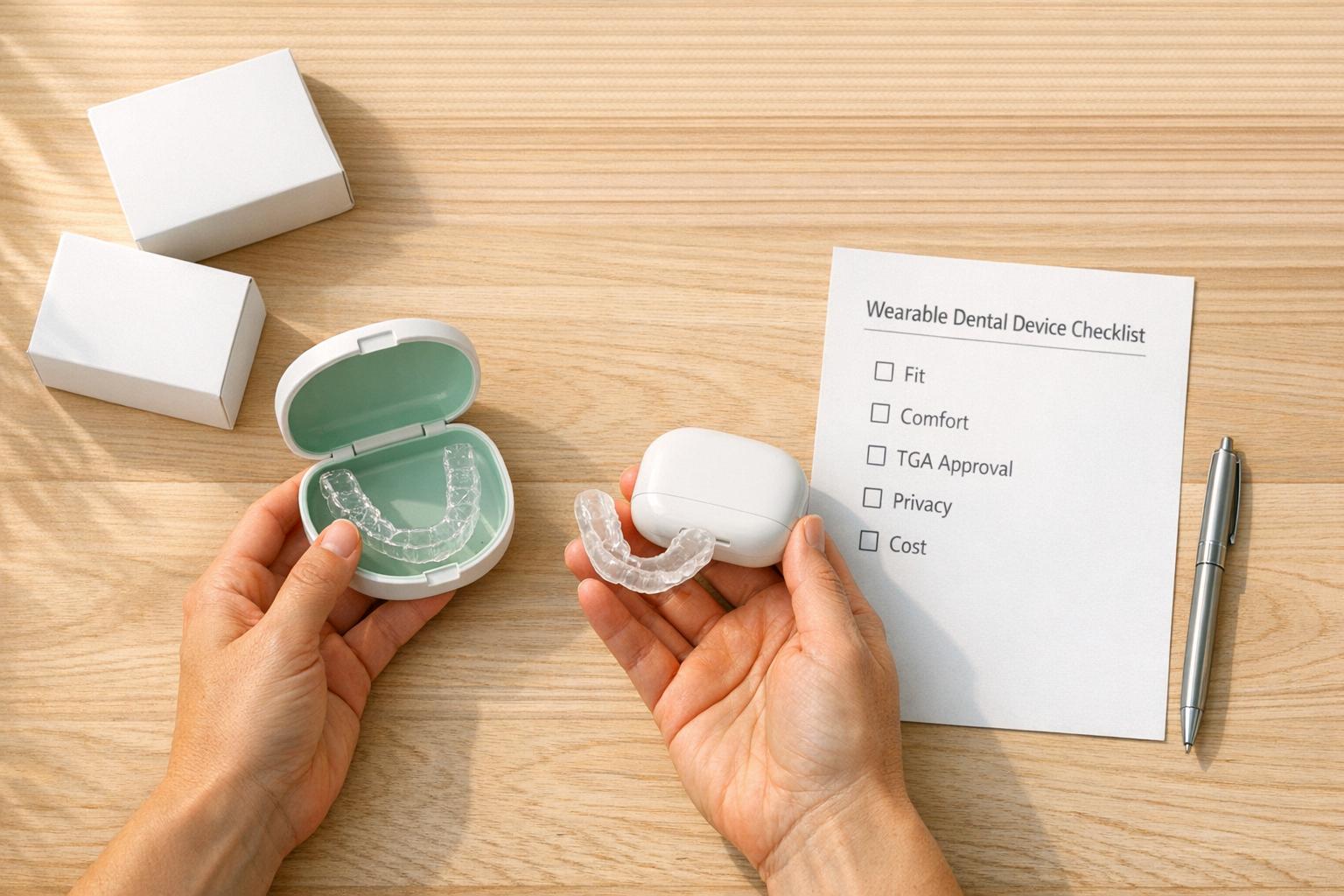
Checklist for Choosing Wearable Dental Devices
Checklist for Choosing Cloud AI Platforms in Dentistry

Complete Smiles Bella VistaAccepts All Major Health Funds, Including