





Sugar vs. Acid: Which Harms Teeth More?
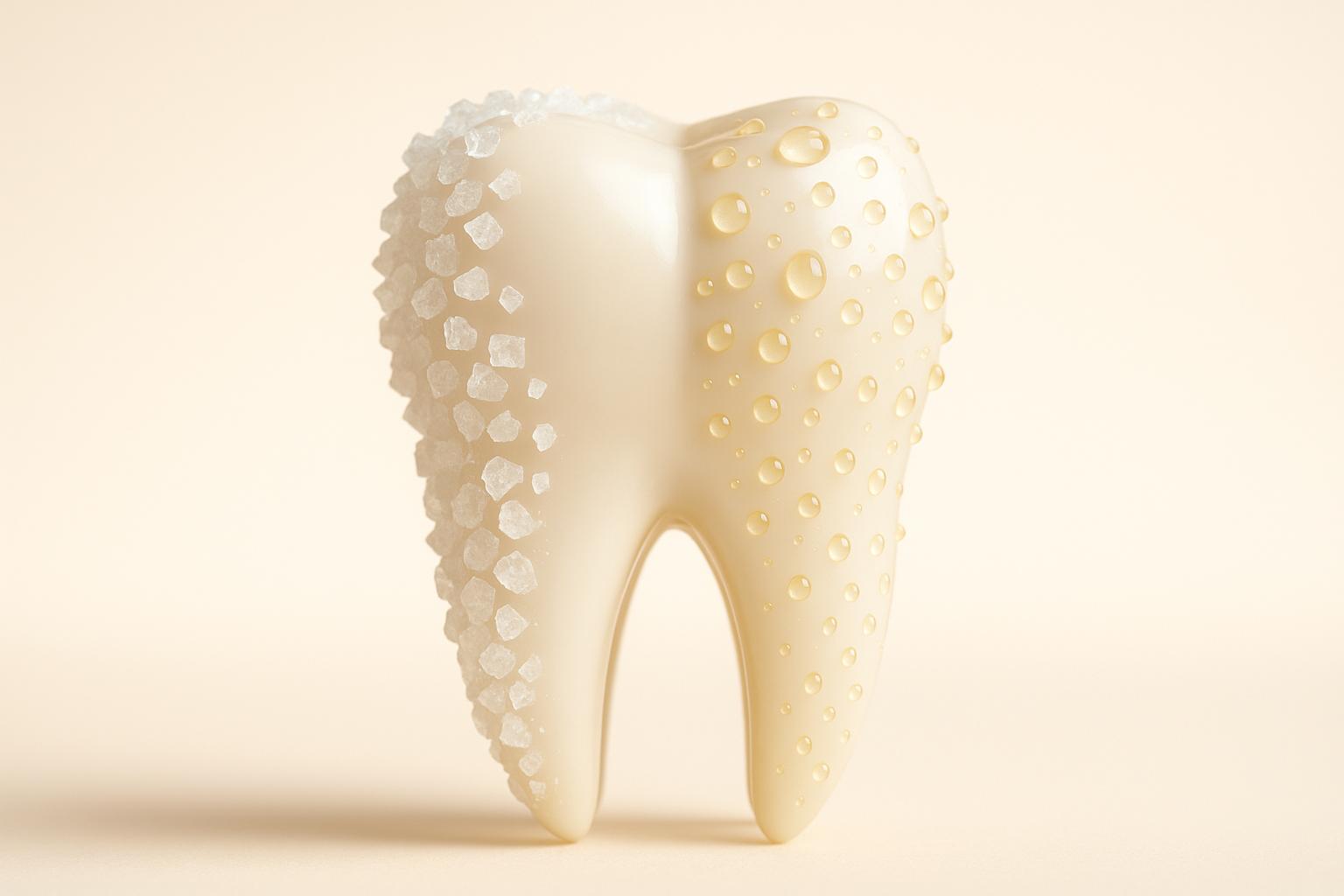
Sugar and acid are two major threats to your teeth, but they cause damage in different ways. Sugar feeds bacteria in your mouth, which produce acids that lead to cavities. Acidic foods and drinks, on the other hand, directly erode your enamel. Both can weaken and damage your teeth over time, but the effects of acid are often irreversible.
Key Points:
- Sugar: Fuels bacteria that produce acid, causing tooth decay (cavities).
- Acid: Directly dissolves enamel, leading to permanent erosion.
- Combined Risk: Foods and drinks with both sugar and acid (e.g., soft drinks) are especially harmful.
Quick Comparison:
| Feature | Sugar | Acid |
|---|---|---|
| Mechanism | Indirect: Bacteria convert sugar into acid | Direct: Acid chemically erodes enamel |
| Damage Type | Cavities | Enamel erosion |
| Reversibility | Early damage can be repaired | Permanent enamel loss |
| Common Sources | Sweets, sugary drinks | Citrus fruits, fizzy drinks, wine |
| Prevention Tips | Limit sugar intake, brush with fluoride | Use a straw, rinse with water, avoid brushing immediately after acidic foods/drinks |
Prevention Tips:
- Brush twice daily with fluoride toothpaste.
- Limit sugary and acidic foods/drinks.
- Drink water or milk instead of soft drinks.
- Rinse with water after consuming acidic items.
- Visit your dentist regularly for check-ups and cleanings.
Protecting your teeth involves understanding these risks and making small changes to your diet and oral care routine.
The Worst Food for Your Teeth Is NOT SUGAR
How Sugar Damages Teeth
Sugar acts as a feast for bacteria in your mouth, which, in turn, produce acid that wears away enamel and leads to cavities.
The World Health Organisation (WHO) identifies dental caries as the most widespread noncommunicable disease globally, impacting 2.3 billion people with permanent teeth issues and 560 million children with problems in their baby teeth[3]. In 2010 alone, the direct costs tied to dental caries reached a staggering US$298 billion worldwide, with indirect costs contributing an additional US$144 billion[3].
"Free sugars are the essential dietary factor in the development of dental caries. Dental caries develops when bacteria in the mouth metabolise sugars to produce acid that demineralises the hard tissues of the teeth (enamel and dentine)." – World Health Organisation[3]
How Mouth Bacteria Process Sugar
Your mouth is home to countless bacteria, including species like Streptococcus mutans and Streptococcus sobrinus, which thrive on sugar[4]. When you consume sugary foods or drinks, these bacteria break down the sugar, producing lactic acid as a by-product.
The bacteria also form sticky plaque that clings to your teeth, especially in tricky spots like between teeth or along the gum line[4]. This plaque acts as a shield, allowing the bacteria to keep producing acid directly on the tooth surface.
The timing of this process makes it even more harmful. After eating or drinking something sugary, it takes about 30 minutes for your mouth’s pH to drop, triggering an acid attack. For example, sipping on a soft drink over an hour doesn’t just cause one acid attack – it creates multiple. This means that frequent sugar consumption, even in small amounts, can significantly raise the risk of tooth decay.
Who’s at Risk and Common Sugar Sources
Children are particularly vulnerable to tooth decay, with frequent sugar consumption compounding the problem. In the UK, tooth decay is the leading reason for hospitalisation among 5–9-year-olds, with 26,000 children admitted each year due to this issue[2].
Interestingly, it’s not how much sugar you consume but how often you consume it that matters most. Studies show that frequent sugar intake increases the number of acid attacks on teeth throughout the day. For instance, research found that 3-year-old children who ate sugary foods four to five times daily were six times more likely to have severe tooth decay compared to those with lower sugar intake frequencies[7].
Sucrose, the common table sugar added to many foods and drinks, is considered especially harmful to teeth[7]. Added sugars are problematic because they are often consumed in large amounts and lack the protective nutrients found in naturally occurring sugars.
Here are some common sources of sugar in Australian diets:
- Beverages: Soft drinks are a major culprit, with a single can containing about 10 teaspoons of sugar – 1.5 times the daily limit recommended by the WHO[6]. Other sugary drinks like energy drinks, fruit juices, and sports drinks also contribute heavily, with studies showing that drinking 1–2 sugar-sweetened beverages daily increases the risk of cavities by 31%[4].
- Sticky and Processed Foods: Foods like lollies, biscuits, and cakes are particularly harmful because they stick to teeth, prolonging sugar exposure and acid production[4]. Their adhesive nature makes them even more likely to cause decay[7].
- Hidden Sugars: Many processed foods contain added sugars you might not immediately notice. Items like breakfast cereals, flavoured yoghurts, sauces, and even some breads can pack significant amounts of free sugars.
To combat tooth decay and related health problems, the WHO advises that adults and children limit their daily intake of free sugars to less than 6 teaspoons per day[5][6]. Reducing the frequency of sugar consumption is crucial to protecting your teeth and overall health.
How Acidic Foods and Drinks Harm Teeth
Acidic foods and drinks can directly damage your teeth by wearing down enamel. This process, called tooth erosion, happens when acids dissolve the mineral content of enamel, leaving it weaker and thinner over time. Unlike sugar, which causes harm by fuelling bacteria, acids begin their attack as soon as they touch your teeth.
How Acids Erode Tooth Enamel
Tooth enamel is tough but not invincible. Once the pH level in your mouth drops below 5.5, enamel starts to break down – a process known as demineralisation [10]. Each exposure to acid chips away at the enamel, and while saliva helps to neutralise acids and repair some damage, it has its limits. Repeated or prolonged exposure can overwhelm this natural defence [10].
The damage from erosion is permanent. Enamel doesn’t regenerate, so as it wears away, you may notice increased sensitivity to hot or cold foods, sweets, or even cold air [9]. Over time, teeth can appear yellower as the underlying dentin becomes more visible. You might also see rounded edges or small dents on the chewing surfaces [9].
Tooth erosion is surprisingly common, affecting nearly 30% of adults worldwide [11]. In some groups, the numbers are even higher – 68% of Malaysian university students, for example, show signs of enamel erosion [12]. Severe cases can lead to abscesses, tooth loss, and a higher risk of cavities, as the weakened enamel makes it easier for bacteria to penetrate [8].
Common Acidic Foods and Drinks
The acidity of a food or drink is measured by its pH level, and anything below 5.5 can harm your teeth. Drinks are often the primary offenders. Carbonated soft drinks, even the sugar-free kinds, are highly acidic due to carbonation, with pH levels ranging from 2.3 to 3.4 [12]. Fruit juices, sports drinks, and energy drinks also fall into this category, with pH values typically between 2.1 and 3.9 [8][12]. Sour lollies and certain alcoholic beverages further add to the problem.
Here’s a quick look at the pH levels of some common acidic foods and drinks:
| Food/Drink | pH Level |
|---|---|
| Lemon Juice | 2.00–2.60 |
| Limes | 2.00–2.80 |
| Blue Plums | 2.80–3.40 |
| Grapes | 2.90–3.82 |
| Pomegranates | 2.93–3.20 |
| Grapefruits | 3.00–3.75 |
| Blueberries | 3.12–3.33 |
| Pineapples | 3.20–4.00 |
| Apples | 3.30–4.00 |
| Peaches | 3.30–4.05 |
| Oranges | 3.69–4.34 |
| Tomatoes | 4.30–4.90 |
Certain foods also contribute to acid exposure. Items like ketchup, pickles, fruit jams, and sour sweets are acidic enough to harm your teeth [12]. Even healthy options, such as citrus fruits, can be damaging if eaten too often or on their own.
The solution isn’t to cut out all acidic foods entirely. Many of these foods are nutritious, so the focus should be on consuming them in ways that minimise harm. For instance, eating acidic foods like tomatoes or oranges as part of a larger meal can help balance their effects, as other foods can neutralise some of the acidity [8].
How you consume acidic drinks also makes a difference. Sipping slowly or swishing them around in your mouth prolongs the acid attack. Using a straw can reduce direct contact with your teeth, limiting both the intensity and duration of exposure [8]. These small changes can give your enamel more time to recover between acid exposures.
This kind of direct acid erosion differs from sugar-related decay, which damages teeth through an indirect bacterial process. A closer comparison between these two types of harm can shed more light on their effects.
sbb-itb-2be92ed
Sugar vs Acid: Side-by-Side Comparison
Sugar and acid both harm teeth, but they do so in very different ways – one through an indirect process, the other through direct action. While both are damaging, the methods to prevent their effects vary.
Comparison Table: Sugar vs Acid
Here’s a breakdown of how sugar and acid impact dental health:
| Feature | Sugar | Acid |
|---|---|---|
| Mechanism | Bacteria convert sugar into acid, which then attacks enamel | Directly dissolves enamel through chemical action |
| Typical Sources | Sweets, baked goods, sugary drinks | Citrus fruits, soft drinks, energy drinks, wine |
| Effect on Teeth | Causes decay (cavities) | Leads to erosion (weakening and loss of enamel) |
| Reversibility | Early damage can be repaired with fluoride and good oral hygiene | Erosion results in permanent enamel loss |
| Prevention | Reduce sugar intake, brush with fluoride toothpaste | Limit acidic foods/drinks, rinse with water after eating, avoid brushing immediately after consumption |
The key difference? Sugar indirectly damages teeth by feeding bacteria that produce acid, which lowers the pH in your mouth. Acid, on the other hand, directly attacks the enamel, causing demineralisation and leaving teeth more vulnerable to decay [13][14].
Now, let’s see what happens when sugar and acid team up.
When Sugar and Acid Work Together
When sugar and acid are combined in the same food or drink, the damage to enamel intensifies. Acidic beverages, for example, not only erode enamel directly but also offer sugar that fuels bacteria to produce even more acid. This creates a "double threat" for your teeth [14]. Take soft drinks: every sip weakens enamel with acid, while the sugar content allows bacteria to continue producing acid long after you’ve finished drinking.
"Drinking soda is essentially a sugary acid bath for the teeth."
- Dante Devoti, DMD, assistant professor of dental medicine at Columbia University’s College of Dental Medicine [14]
Frequent consumption of sugary, acidic items only worsens the problem. Sipping slowly prolongs the acid attack, causing more harm than drinking quickly [16]. This dual effect is a major reason why dental caries remains the most common noncommunicable disease worldwide, with sugar-sweetened beverages playing a significant role in this global issue.
Recognising the combined risks of sugar and acid is the first step in crafting effective strategies to protect your teeth.
How to Protect Your Teeth
Understanding how sugar and acid affect your teeth is just the first step. To maintain a healthy smile, you need to take action. By combining smart dietary habits with regular professional care, you can strengthen your defences against decay and erosion.
Diet and Hygiene Tips
Start by making better food and drink choices while staying consistent with your oral hygiene routine. Swap sugary drinks for water, milk, or unsweetened teas. Choose tooth-friendly options like dairy products, fresh fruits and vegetables, lean meats, eggs, and whole grains instead of sticky lollies or processed snacks [19]. If you do indulge in sweets, have them with meals to limit acid attacks on your teeth [17].
"Sugar is one of the biggest factors that contributes to the development of tooth decay." [17] – Dr Sam Koh, General Dentist
Be mindful of hidden sugars in foods – check labels carefully. Items like protein shakes, pre-workout drinks, and even muesli bars can contain acids and sugars that harm your teeth [17][19].
After consuming acidic foods or beverages, rinse your mouth with water, drink milk, or eat cheese to help neutralise acids [19][20]. You can also use a straw when drinking acidic or sugary beverages to limit their contact with your teeth [17][20]. Avoid eating or drinking anything besides plain water before bed, as saliva production slows down while you sleep, reducing your mouth’s natural protection [17].
Brush your teeth twice a day for two minutes using fluoride toothpaste, and floss daily to remove plaque [21][22]. Drinking fluoridated tap water can provide extra protection for your enamel [15]. After consuming acidic foods or drinks, wait at least 30 minutes before brushing to avoid damaging your enamel. In the meantime, rinse with water or chew sugar-free gum to encourage saliva production [18][20][23].
"Saliva is really good for our gums and teeth. It helps wash away acids and sugars, buffer remaining acids, and provides some antibacterial effects on bacteria that cause decay and gum disease." [17] – Dr Sam Koh, General Dentist
While daily care is essential, professional dental visits are equally important for long-term protection.
Professional Dental Care
Even with excellent home care, regular dental check-ups play a vital role in keeping your teeth healthy. Professional cleanings remove plaque and tartar that brushing and flossing can miss, helping to prevent cavities and gum disease [25][27].
With about one in three Australian adults over 15 having untreated tooth decay, regular dental visits are a must [1]. Schedule check-ups every 6–12 months to catch potential issues early and address them before they become serious [24][27].
"A dental practitioner is the best person to identify and address any issues you or they have with your teeth and mouth early, before it becomes painful, difficult to treat and costly." [24] – healthdirect
During these visits, your dentist can offer personalised advice on brushing techniques, flossing habits, and diet, all tailored to your specific needs [25][26][27]. They can also identify signs of broader health issues, such as diabetes or heart disease, that may show up in your mouth [24][27].
For comprehensive care, clinics like Complete Smiles Bella Vista provide a range of services, from general dentistry to cosmetic treatments and specialised care like orthodontics and dental implants. These practices focus on creating personalised treatment plans using advanced techniques to meet both preventive and restorative needs.
If fear of the dentist is holding you back, let your dentist know. Many practices offer sedation and other solutions to make your visits more comfortable [24][27]. Regular check-ups are not just about your teeth – they’re an investment in your overall health too [26].
Key Points to Remember
Sugar fuels the bacteria responsible for producing acids that erode enamel, while acidic foods directly wear away the enamel itself [3][2]. Recognising how these factors differ is crucial for protecting your teeth.
The impact of these factors on enamel is significant. Dental caries, or tooth decay, is the most common noncommunicable disease globally, affecting nearly half the world’s population [3]. In Australia, the statistics are concerning: one in four children aged 5 to 10 has untreated decay in their baby teeth, and one in 25 people aged 15 and over has lost all their natural teeth [28].
Daily choices play a big role in prevention. The World Health Organization advises keeping free sugars to less than 10% of your total energy intake – and ideally below 5% – to lower the risk of dental caries over your lifetime [3].
To minimise both sugar and acid exposure, adopt these practices: brush twice daily with fluoride toothpaste, floss regularly, and choose fluoridated tap water over soft drinks [2][18]. Eat fruit during meals rather than as snacks, and skip adding citrus to your water [18]. If you consume acidic foods, wait at least an hour before brushing your teeth to avoid damaging your enamel [8].
Regular dental check-ups are just as important. These visits allow your dentist to spot potential issues early, while professional cleanings remove tartar that brushing at home can’t [29]. However, with three in 10 Australians delaying dental visits due to cost [28], focusing on preventive habits at home is not only effective but also more economical than dealing with dental treatments later.
FAQs
How can I protect my teeth from damage caused by sugar and acidic foods?
To keep your teeth in good shape, rinse with water after eating sugary or acidic foods. This helps wash away residue and balance out acids. Make sure to wait at least 30 minutes before brushing – this gives softened enamel time to recover. When you do brush, use a fluoride toothpaste to help strengthen your teeth and lower the chances of decay.
Adding calcium-rich foods like cheese, yoghurt, or milk to your diet can also make a big difference. These foods help counteract acids and support enamel health. If you’re indulging in sugary or acidic treats, try to have them with meals instead of as standalone snacks. This limits the time your teeth are exposed to potentially harmful substances.
How can I repair early enamel damage caused by sugar?
To address early enamel damage caused by sugar, it’s important to focus on remineralising your teeth. Start by using a fluoride toothpaste, which helps strengthen enamel. Stick to a solid oral hygiene routine – brushing twice a day and flossing regularly are key habits to maintain.
Cut back on sugary and acidic foods, as they can further weaken enamel. Drinking water, especially fluoridated tap water, not only helps rinse away harmful sugars and acids but also keeps your mouth hydrated. Another helpful tip? Chewing sugar-free gum. It boosts saliva production, which is crucial for neutralising acids and supporting remineralisation.
For more tailored advice, speak with your dentist. They can suggest treatments or products specifically suited to your oral health needs.
Why should you wait before brushing your teeth after eating or drinking something acidic?
After enjoying acidic foods or drinks, hold off on brushing your teeth for about 30 minutes to an hour. This gives your saliva time to neutralise the acids and support your enamel as it recovers and remineralises. Brushing too soon can actually harm your teeth, as the enamel is more vulnerable right after acid exposure.
In the meantime, you can safeguard your teeth by rinsing your mouth with water or chewing sugar-free gum. Both actions encourage saliva production, which naturally helps repair enamel and wash away lingering acids.
Related Blog Posts
- Best Foods for Healthy Teeth: Dentist Recommendations
- 5 Steps of Professional Dental Cleaning
- How Acidic Foods Damage Enamel
- How Pregnancy Affects Oral Health
Important Notice: Any surgical or invasive procedure carries risks. Before proceeding, you should seek a second opinion from an appropriately qualified health practitioner.
Individual results may vary. The information provided in this article is for educational purposes only and does not constitute medical advice.
Checkout Related Blogs




Get in touch with us
For more information, call us now to start feeling better. Or fill the form below to make appointment
The Latest News from Complete Smiles
How to Clean Clear Plastic Retainers
Checklist for Choosing Wearable Dental Devices
Checklist for Choosing Cloud AI Platforms in Dentistry

Complete Smiles Bella VistaAccepts All Major Health Funds, Including





