





Recent Advances in Biomaterials for Periodontal Regeneration
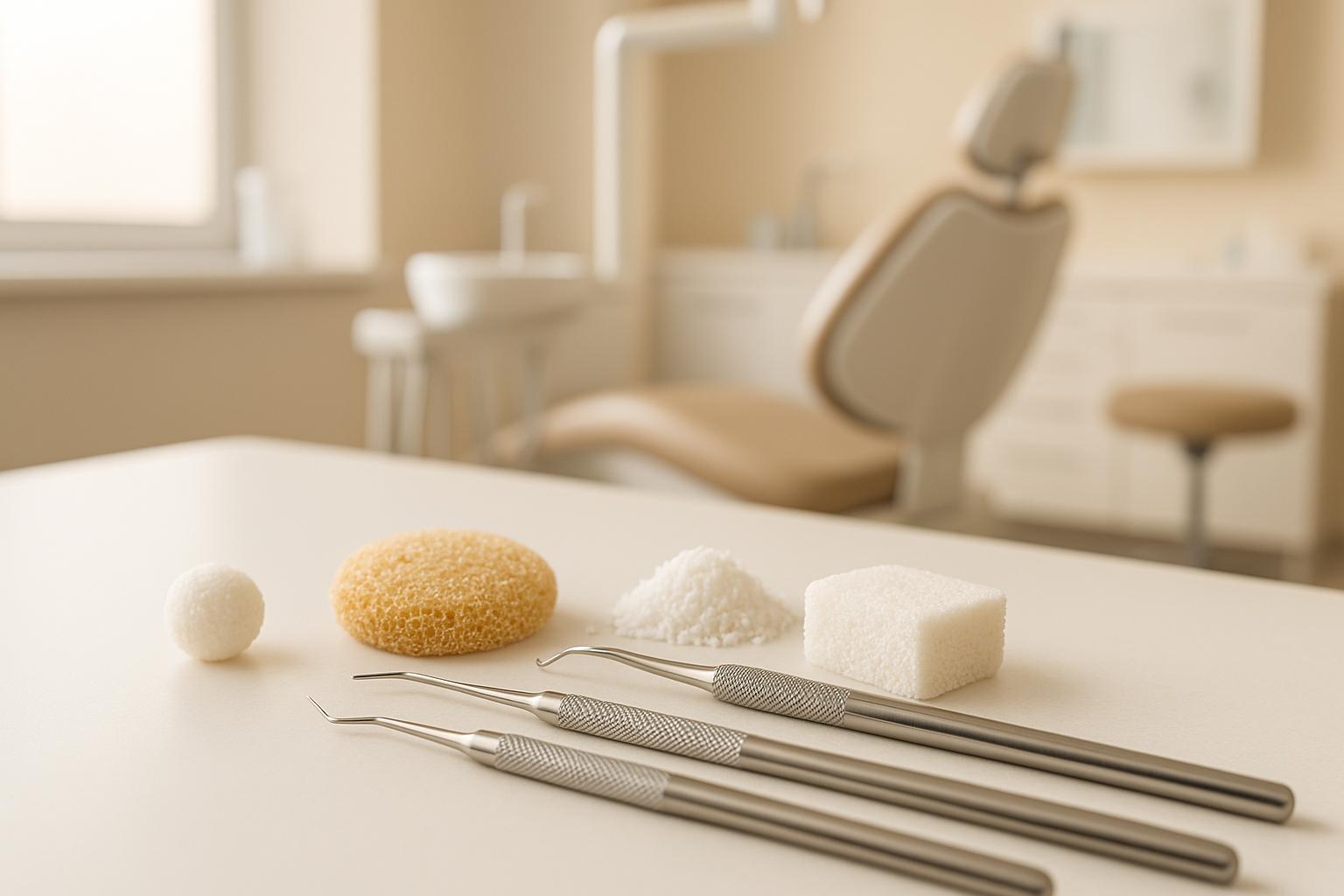
Periodontal disease affects nearly 50% of Australian adults over 30, often leading to damage in tooth-supporting structures like bone and ligaments. Traditional treatments struggle to fully restore these tissues, but biomaterials and guided tissue regeneration (GTR) are changing the game.
Key Takeaways:
- GTR membranes create controlled healing environments, promoting cell growth while blocking interference.
- Advanced biomaterials like BMP2-modified nanosheets actively support bone formation and reduce inflammation.
- Natural polymers (e.g., collagen, chitosan) are biocompatible but need reinforcement for strength.
- Synthetic polymers (e.g., PLGA) offer customisation for degradation and mechanical performance.
- Composite materials blend natural and synthetic benefits, improving strength and bioactivity.
- Emerging tools like 3D printing and nanocomposites allow personalised, precise treatments.
Challenges include cost, regulatory approval, and long-term safety data. Future trends focus on bioactive, patient-specific materials and stem cell therapies. Australian clinics adopting these advancements are improving outcomes, offering more effective care for periodontal disease.
What Is Guided Tissue Regeneration And How Does It Utilize Dental Biomaterials?
Main Types of Biomaterials for Periodontal Regeneration
Biomaterials used in periodontal regeneration can be grouped into three main categories. These classifications form the foundation of recent efforts to improve outcomes in regenerative treatments.
Natural Polymers
Natural polymers are popular due to their compatibility with biological systems and their ability to break down naturally. These materials work well with the body’s healing mechanisms, making them a good fit for periodontal treatments.
Collagen is the most commonly used natural polymer in this field. Collagen-based membranes support cell attachment and help reduce inflammation, which aids in repairing periodontal tissues effectively [1][8]. Its structure closely resembles the body’s own tissues, which encourages growth while minimising inflammatory responses.
Another important natural polymer is chitosan, derived from crustacean shells. Chitosan not only integrates well with tissues but also offers antimicrobial benefits, making it particularly useful in managing periodontal infections. However, like many natural polymers, it often needs to be strengthened to improve its mechanical properties for clinical applications.
The main drawback of natural polymers is their limited mechanical strength. For instance, while collagen is highly compatible with biological systems, it may need reinforcement to handle the physical demands of certain healing processes [1][2]. This limitation can restrict its use in areas requiring materials to withstand significant forces.
Injectable hydrogels, created from components of the extracellular matrix, represent a newer development in natural polymers. These hydrogels allow for the targeted delivery of bioactive molecules and offer adjustable mechanical properties [5]. Many of these systems are built on natural polysaccharides and proteins, which improve drug delivery and treatment efficiency. They also reduce the need for invasive procedures in treating periodontitis [5].
Synthetic Polymers
Synthetic polymers bring a level of customisation that natural polymers can’t match. Their properties can be adjusted to control how they degrade over time, making them versatile for various tissue engineering needs. This flexibility allows clinicians to achieve more predictable results.
Poly(lactic-co-glycolic acid) (PLGA) is a standout example. Its degradation rates and mechanical properties can be tailored, enabling controlled release of therapeutic agents or growth factors over specific timeframes [8][2]. This makes PLGA particularly useful for complex regenerative procedures.
By modifying the polymer backbones, synthetic materials can be optimised for biological performance and adjusted to suit different clinical needs [5]. This adaptability is crucial for addressing a wide range of healing scenarios, from rapid recovery to cases requiring prolonged support.
Synthetic polymers are also known for their consistent mechanical strength and predictable behaviour. Unlike natural materials, which can vary depending on their source, synthetic options offer standardised characteristics. This reliability is essential in complex cases where precise material performance is critical.
That said, synthetic polymers face the challenge of balancing biodegradability with structural strength [5]. The goal is to create materials that maintain their integrity during the healing process but degrade appropriately as the body regenerates natural tissue.
Composite Materials
Composite materials combine the best features of natural and synthetic polymers, addressing their individual shortcomings. By merging these materials, composites achieve better mechanical strength, bioactivity, and compatibility with biological tissues.
One example is BMP2 peptide-modified polycaprolactone-collagen nanosheets, which have shown promising results in preclinical studies for bone regeneration. These materials blend the biocompatibility of collagen with the structural strength of synthetic polymers and the biological activity of growth factor peptides [1][8].
By integrating natural and synthetic elements, composites strike a balance between strength and biological function. For instance, combining collagen with synthetic polymers like PCL improves cell adhesion and bone formation while maintaining the mechanical stability needed for tissue regeneration [1][2]. This approach overcomes the mechanical limitations of natural polymers without losing their biological benefits.
Nanocomposite-based hydrogels are another innovative option in periodontal tissue engineering [5]. These materials incorporate nanomaterials to enhance their performance, offering multiple therapeutic benefits in a single system. The inclusion of nanomaterials boosts both their physical and biological properties while maintaining the biodegradability required for effective tissue regeneration.
Composite materials also allow for customisation to meet specific clinical needs. By adjusting the ratio and type of natural and synthetic components, researchers can create materials tailored to different periodontal defects, patient conditions, and healing requirements. This adaptability continues to refine regenerative therapies, aligning with the evolving demands of clinical practice.
New Developments in Biomaterial Design
Building on the earlier discussion of biomaterials, recent advancements are taking periodontal regeneration to the next level. By refining natural, synthetic, and composite biomaterials, researchers are now creating designs that combine structural support with active therapeutic functions. These innovations aim to address the complex challenges of periodontitis more effectively.
Multifunctional and Bioactive Materials
Today’s biomaterials are no longer just passive scaffolds – they actively contribute to healing by integrating antibacterial, anti-inflammatory, and regenerative properties [6][5]. This is especially important for periodontitis, where infection, inflammation, and tissue destruction occur simultaneously.
Take BMP2 peptide-modified polycaprolactone-collagen nanosheets (BPCNs), for example. These materials enhance cell adhesion, encourage bone formation, and reduce inflammation [1]. By blending BMP2 peptides with synthetic and natural polymers, BPCNs go beyond being a simple scaffold – they actively guide tissue regeneration.
Another exciting development is the inclusion of antimicrobial agents, such as silver nanoparticles and controlled-release antibiotics, directly into scaffolds and hydrogels. This approach helps to minimise infection risks at the treatment site while maintaining therapeutic levels of antibiotics during the critical healing phase [6][5][4].
To promote bone formation, materials like hydroxyapatite and bioactive glass are being added to scaffolds. These additives provide the chemical signals needed for mineralisation while also meeting the mechanical demands of regenerating periodontal structures [6][5][4]. Additionally, growth factors like bone morphogenetic proteins (BMPs) and platelet-derived growth factor (PDGF) can be delivered through these systems to stimulate the body’s natural repair mechanisms.
Inflammation remains a persistent challenge in periodontitis treatment. To tackle this, ROS-responsive biomaterials have been designed. These materials release therapeutic agents in response to reactive oxygen species (ROS), which are abundant in inflamed tissues. This ensures that treatment is delivered precisely when and where it’s needed [4].
Meanwhile, advanced fabrication techniques are making these multifunctional materials even more effective and adaptable to individual patients’ needs.
Modern Fabrication Techniques
Cutting-edge manufacturing methods like 3D printing, electrospinning, and bioprinting are transforming the way biomaterials are designed and tailored for patients [5][3]. These techniques enable precise customisation, ensuring that materials meet the unique requirements of each case.
3D printing is particularly useful for creating scaffolds that fit perfectly into periodontal defects. These custom-made materials can incorporate multiple bioactive components and feature intricate internal structures that are impossible to achieve with traditional manufacturing methods [5][3]. Using detailed imaging, clinicians can design treatments specific to each patient’s anatomy.
Electrospinning, on the other hand, produces nanofibrous membranes that closely resemble the extracellular matrix. These ultra-fine fibres provide an ideal surface for cells to attach and grow while maintaining the porosity needed for nutrient flow and waste removal [5][3].
Beyond structure, these techniques offer precise control over how therapeutic agents are delivered. For instance, engineered degradation patterns ensure that drugs or growth factors are released at optimal rates during the healing process [5][3].
Another innovation is spin-coating, which allows for the creation of multi-layered materials. Each layer can be designed with specific properties – for example, an outer layer with antimicrobial effects and inner layers containing regenerative factors [1][5][4].
Biomimetic Materials
One of the most promising advancements in biomaterials is the development of materials that closely mimic the composition, structure, and function of natural periodontal tissues. These biomimetic materials improve compatibility with the body and promote more predictable tissue regeneration [3][4].
For instance, injectable hydrogels made from extracellular matrix components can be delivered through minimally invasive procedures. These hydrogels provide a biochemical environment that cells naturally recognise and respond to, making them particularly effective for periodontal repair [5][4]. They can even be customised to match the mechanical properties of different tissues, from soft gingiva to hard bone.
Some materials go a step further by replicating the natural fibre arrangement of the periodontal ligament. This structural mimicry is key to regenerating the complex interface between the tooth root and the surrounding bone [3][4].
Nanocomposite hydrogels are another exciting development. These materials offer both mechanical strength and biological performance, all while being biodegradable [5]. They can deliver multiple therapeutic benefits at once, addressing the many challenges of periodontal healing.
Surface modifications are also playing a critical role. By incorporating specific peptide sequences and textures that mimic healthy periodontal tissue, these materials can guide cellular behaviour more effectively than generic scaffolds [3][4].
Researchers are now working on materials that not only replicate the final structure of healthy periodontal tissue but also mimic the natural developmental processes that create these tissues. By tapping into the body’s own biological systems, this approach has the potential to achieve more complete and functional regeneration [3][4].
sbb-itb-2be92ed
Testing and Clinical Validation of Biomaterials
Ensuring biomaterials are safe and effective is crucial for advancing regenerative dentistry. This process relies on thorough testing and validation, guided by established standards and ethical frameworks.
Standard Testing Methods
The evaluation of biomaterials starts with a detailed analysis of their properties. International standards like ISO 10993 (biological evaluation of medical devices) and ISO 13485 (quality management systems for medical devices) serve as benchmarks for these assessments [9].
Chemical and structural testing examines aspects like purity, degradation products, and the integration of bioactive components. Techniques such as scanning electron microscopy (SEM) provide high-resolution images to analyse surface morphology and porosity. Other advanced methods measure pore size and connectivity, which are critical for cell attachment, growth, and migration.
Mechanical testing evaluates how biomaterials perform under stress, including tensile strength, compression resistance, and elasticity. For example, the spin-coating technique is widely used to create nanosheets with consistent thickness and mechanical properties [1].
In Australia, the Therapeutic Goods Administration (TGA) references these international standards to ensure that biomaterials used in dental practices meet global safety and quality requirements [9].
These initial tests pave the way for more advanced laboratory and in vivo evaluations.
Laboratory and Clinical Studies
After basic characterisation, biomaterials undergo advanced testing to assess their biological performance. In vitro assays are the first step, offering insights into biocompatibility, cell behaviour, and therapeutic potential under controlled conditions [9].
Cytotoxicity tests, such as MTT and Live/Dead staining, measure cell viability. The CCK-8 assay, combined with microscopic imaging and cell counting, provides a deeper understanding of cell adhesion and viability [1]. These methods help identify promising materials for further study.
In periodontal applications, researchers focus on how biomaterials interact with periodontal cells. For instance, hydrogels designed for periodontal regeneration are tested for their support of periodontal ligament cell growth and mineralisation [5]. Tools like Alizarin Red S (ARS) staining and qRT-PCR are used to measure bone formation markers and assess osteogenic potential [1].
Following in vitro studies, animal models are employed to gather in vivo data. Rat periodontal defect models are commonly used to evaluate regeneration performance before advancing to human trials [1]. These studies provide essential information on biocompatibility, tissue integration, and functional outcomes.
Recent research has highlighted the effectiveness of biomaterials in animal testing. For example, BPCNs have shown significant periodontal tissue regeneration in rat models, with gene analysis via RNA-seq revealing increased tissue regeneration and reduced inflammation [1]. Techniques like micro-CT imaging, haematoxylin-eosin (H&E) staining, and Masson’s trichrome staining confirm these findings from multiple perspectives [1].
RNA sequencing (RNA-seq) has become a key tool for understanding the molecular pathways involved in biomaterial-driven regeneration. It identifies mechanisms like the activation of osteogenic signalling and suppression of inflammatory pathways, helping refine material design and predict clinical success [1].
Human clinical trials represent the final stage of validation. These trials follow a phased approach: Phase I focuses on safety, Phase II evaluates efficacy and dosing, and Phase III involves larger, randomised trials to confirm effectiveness and monitor side effects [9]. Factors like patient selection, control groups, and outcome measures (e.g., clinical attachment levels and radiographic bone fill) are carefully considered.
This rigorous process ensures compliance with TGA regulations and ethical standards, promoting safety and advancements in periodontal treatments.
Regulatory and Ethical Requirements
Navigating regulatory frameworks is essential for bringing biomaterials to clinical use. In Australia, the Therapeutic Goods Administration (TGA) oversees the approval of medical devices, including those used in periodontal treatments [9].
Manufacturers must provide comprehensive documentation, including technical data, preclinical and clinical findings, and plans for post-market surveillance [9]. This ensures that all biomaterials meet Australian safety and performance standards before they are used in dental practices.
Ethical considerations are central to the development and testing of biomaterials. Research must comply with the National Statement on Ethical Conduct in Human Research and receive approval from a Human Research Ethics Committee (HREC) [9]. Key ethical principles include informed consent, patient safety, privacy, and equitable access to new treatments.
Transparency is also critical. Researchers are expected to report results openly, including any adverse events, and to consider long-term outcomes. This commitment to ethical practices fosters public trust and ensures that new treatments genuinely benefit patients [9].
Post-market surveillance plays a vital role in monitoring biomaterials once they are in clinical use. This process identifies rare adverse events, evaluates long-term performance, and gathers real-world data on factors like patient satisfaction and cost-effectiveness. Australian dental practices contribute by reporting outcomes and participating in relevant registries.
Guidelines like those issued by the European Federation of Periodontology, which recommend barrier membranes for regenerative therapy, highlight how rigorous testing translates into evidence-based practices that guide treatment decisions globally [1].
Clinical Applications and Future Directions
With solid backing from laboratory research and clinical trials, advanced biomaterials are steadily making their way into practical periodontal treatments.
Personalised Biomaterial Selection
Periodontal treatments are becoming increasingly tailored to match the unique needs of each patient, considering factors like the specific defect, their microbiome, and overall health. For instance, patients with conditions that impair healing, such as diabetes or osteoporosis, benefit from biomaterials designed for optimal compatibility, anti-inflammatory effects, and bone-healing properties. Biomimetic polymer-coated nanoparticles (BPCNs) have shown encouraging results in promoting bone growth and reducing inflammation [1][9].
Customisation also extends to adjusting how quickly materials degrade and how they perform mechanically. Collagen-based scaffolds, enriched with stem cells and growth factors, can help regenerate critical structures like the periodontal ligament, cementum, and alveolar bone [11]. The precision offered by 3D bioprinting has further enhanced scaffold design, making it possible to create highly specific solutions [11].
While these advancements offer exciting possibilities, translating them into routine clinical practice is not without its hurdles, especially for dental clinics equipped with cutting-edge techniques.
Challenges in Clinical Use
Despite the progress, several obstacles hinder the widespread adoption of these advanced biomaterials in Australian dental practices. One of the biggest barriers is cost. For smaller clinics or patients lacking comprehensive insurance, these treatments may be financially out of reach, limiting accessibility. Additionally, while preclinical studies – such as those using rat models – indicate that materials like BPCNs can regenerate tissue without causing systemic harm [1], long-term safety data in humans is still limited. This lack of extended clinical evidence can make some clinicians hesitant to fully embrace these new materials.
Scalability is another issue. Variations in the manufacturing process of composite scaffolds can lead to inconsistencies in treatment outcomes [11]. Regulatory hurdles also slow down adoption. In Australia, the Therapeutic Goods Administration (TGA) demands extensive documentation and evidence to approve new biomaterials, which can delay their availability. Furthermore, the complexity of these materials requires specialised training, which isn’t always accessible to all dental practitioners. These challenges persist even as regulatory bodies like the TGA work to ensure safety and efficacy through strict standards.
Future Trends in Periodontal Regeneration
The future of periodontal care is heading toward game-changing advancements. Biomaterials that combine regenerative, antimicrobial, and anti-inflammatory properties are becoming more refined [10][4]. For example, smart injectable hydrogels can release drugs in response to specific triggers, improving effectiveness and reducing the need for repeat treatments [10].
Stem cell-based therapies are also moving from research labs to clinical settings. These therapies, which use autologous or allogeneic stem cells delivered via scaffolds or hydrogels, have shown better tissue integration compared to older methods [9][7]. While entirely bioengineered periodontal tissues remain experimental, they represent a promising area of research.
Enamel matrix derivatives, supported by decades of clinical use, are continuously improving outcomes in periodontal regeneration [12]. The integration of nanomaterials for their antimicrobial and bone-healing properties is another exciting development, offering targeted therapeutic effects that aid tissue repair [11]. Additionally, gene delivery systems embedded within biomaterials could allow for precise control over how tissues regenerate, directing specific cellular responses for better results.
The future of periodontal care is leaning toward personalised treatments, using advanced fabrication methods and patient-specific data to create highly tailored solutions [11]. Australian dental practices that stay informed about these developments and invest in cutting-edge regenerative techniques will be well-positioned to offer more effective and innovative treatments as these technologies continue to evolve.
Conclusion
The field of biomaterial science is driving transformative changes in tissue regeneration and healing. From bioactive materials with multiple functions to designs that mimic natural biological structures, these advancements mark a major step forward in periodontal regeneration. Such progress is setting the stage for more refined and effective clinical applications.
For instance, BMP2-modified nanosheets have demonstrated advanced regenerative potential, with RNA-seq data showing improved tissue repair and reduced inflammation [1]. Similarly, collagen-based scaffolds, when paired with modern techniques like electrospinning and freeze-drying, have shown structural and biological compatibility with the body’s native extracellular matrix [11].
The use of smart injectable hydrogels and biomimetic materials has also introduced new opportunities for minimally invasive treatments. These materials allow for the direct delivery of bioactive molecules to targeted areas, enhancing precision and effectiveness [5].
Clinics in Australia, such as Complete Smiles Bella Vista (https://completesmilesbv.com.au), are already incorporating these advancements to offer patients more predictable and efficient treatment options. Additionally, collagen-ceramic scaffolds have shown promise in ridge reconstruction and repairing bone defects [11].
Building on the trend of personalised medicine, 3D bioprinting is enabling the creation of patient-specific anatomical constructs, further improving treatment outcomes. Innovations like ROS-responsive biomaterial designs and materials targeting multiple components of the periodontal microenvironment are shaping an exciting future for periodontal care [4][13].
As these developments continue, collaboration among researchers, clinicians, and regulators like the TGA will play a critical role. Together, they can elevate the standards of periodontal care across Australia, offering patients less invasive and more effective treatments that prioritise long-term oral health.
FAQs
What are the benefits of using composite materials instead of just natural or synthetic polymers in periodontal regeneration?
Composite materials bring together the best of natural and synthetic polymers, offering a range of benefits for periodontal regeneration. They provide stronger structural support, adjustable biodegradability, and better interaction with surrounding tissues. This combination creates an environment that supports more effective guided tissue regeneration, leading to improved periodontal health restoration.
By blending the qualities of various materials, composites can replicate the natural environment of periodontal tissues more effectively. This supports cell growth and tissue repair, making them a promising choice for advanced periodontal treatments.
How do advanced techniques like 3D printing and electrospinning improve biomaterials for periodontal regeneration?
Advanced fabrication methods like 3D printing and electrospinning have transformed how biomaterials are developed for periodontal regeneration. These cutting-edge techniques make it possible to produce scaffolds that are not only precise but also closely resemble the natural structure of periodontal tissues. By adjusting features like shape, porosity, and composition, these methods improve cell attachment and tissue integration, leading to more efficient healing.
Take 3D printing, for instance – it enables the creation of scaffolds tailored to individual patients. On the other hand, electrospinning generates nanofibre structures that mimic the extracellular matrix, offering the perfect environment for cell growth. When combined, these technologies are setting a new standard for achieving consistent and successful results in periodontal treatments.
What challenges exist in using biomaterials for periodontal regeneration, and how are they being addressed?
The use of biomaterials in periodontal regeneration comes with its fair share of challenges. Among the most pressing are achieving consistent results, managing immune system reactions, and ensuring the regenerated tissues remain stable over time. To tackle these issues, researchers are diving into advanced materials like bioactive ceramics, polymers, and composite options. These materials are designed to work seamlessly with the body’s natural tissues, improving integration and functionality.
On top of that, cutting-edge strategies involving growth factors, stem cells, and nanotechnology are being explored to elevate the performance of these materials. By focusing on improving how well these materials interact with the body and customising them to suit individual patient needs, scientists aim to push the boundaries of periodontal treatment and deliver more dependable outcomes.
Related Blog Posts
- Biodegradable Materials in Guided Tissue Regeneration
- Stem Cells in Periodontal Regeneration: Current Trials
- Antimicrobial Nanocomposites for Tooth Regeneration
- Growth Factors vs. Stem Cells in Gum Grafting
Important Notice: Any surgical or invasive procedure carries risks. Before proceeding, you should seek a second opinion from an appropriately qualified health practitioner.
Individual results may vary. The information provided in this article is for educational purposes only and does not constitute medical advice.
Checkout Related Blogs




Get in touch with us
For more information, call us now to start feeling better. Or fill the form below to make appointment
The Latest News from Complete Smiles
How to Clean Clear Plastic Retainers
Checklist for Choosing Wearable Dental Devices
Checklist for Choosing Cloud AI Platforms in Dentistry

Complete Smiles Bella VistaAccepts All Major Health Funds, Including





