





How Tooth Loss Affects Nutrition

Tooth loss can seriously impact your diet and health. Missing teeth make chewing harder, leading many to avoid nutrient-rich foods like vegetables, nuts, and lean meats. Instead, people often turn to softer, processed foods, which lack essential nutrients. Over time, this can cause deficiencies in protein, fibre, and vitamins, increasing the risk of chronic conditions like heart disease and diabetes.
Key Takeaways:
- Chewing Issues: 23% of Australians aged 45+ struggle with chewing; this jumps to 75% for those with complete tooth loss.
- Nutritional Gaps: Avoiding harder foods can lead to deficiencies in protein, calcium, vitamin C, and more.
- Health Risks: Poor nutrition linked to tooth loss can worsen existing health problems.
- Solutions: Steaming, blending, or slow-cooking foods can make them easier to eat. Dental treatments like implants or dentures can restore chewing ability.
By combining dietary adjustments with dental care, you can maintain proper nutrition and improve your overall health.
Food, nutrition, and dining webinar – Oral and dental health and its impact on eating and nutrition
How Tooth Loss Changes Your Diet
Losing teeth can dramatically alter your diet. When chewing becomes difficult, people often turn to softer, less nutritious foods, which can impact overall health. This shift highlights how tooth loss affects nutritional intake.
Trouble Chewing and Limited Food Options
Missing teeth make it harder to eat nutrient-rich foods like cooked meats and fibrous vegetables, leading to a drop in protein and fibre consumption. One study explains:
"If you have fewer teeth, eating certain foods becomes more difficult. Specifically, chewing cooked meats and fibrous vegetables, both of which are tremendously nutritious, can be almost impossible for people with one or more gaps." [1]
In Australia, research shows that 23% of adults aged 45 and older struggle with chewing, and among those with complete tooth loss, this figure jumps to 75% [3][2]. These difficulties limit food variety and reduce the efficiency of nutrient absorption, which can lead to deficiencies over time.
Relying More on Processed Foods
As chewing challenges persist, many people gravitate towards processed foods for convenience. Whole, nutrient-dense options become harder to manage, leading to a diet dominated by softer alternatives:
"When a person is unable to consume more hearty, nutritious foods, this usually causes them to mostly eat softer, less healthy options simply because it’s more comfortable. These usually consist of carbohydrates like bread as well as fried and sugary items." [1]
This reliance on processed foods can significantly lower the intake of essential nutrients. For instance, reduced consumption of fresh fruits, vegetables, and meats may lead to deficiencies in haemoglobin and vitamin C [2]. Additionally, inadequate chewing can irritate the digestive system and hinder proper nutrient absorption.
The dietary changes linked to tooth loss can have lasting effects on overall nutrition and health, underscoring the importance of addressing these challenges early on.
Nutritional Problems Caused by Tooth Loss
Tooth loss doesn’t just make eating more challenging – it also limits dietary options, which can lead to a decline in the intake of essential nutrients. Over time, this restriction can pave the way for nutrient deficiencies and related health complications.
Common Nutrient Deficiencies
People with missing teeth often avoid foods that are harder to chew, like nuts, raw vegetables, and lean meats – foods that are packed with protein, fibre, vitamins, and minerals. This avoidance can lead to a diet that’s less balanced, increasing the likelihood of nutrient shortfalls. While the exact deficiencies vary from person to person, the overall reduction in nutrient intake poses a significant concern.
Health Problems from Poor Nutrition
When the body doesn’t get the nutrients it needs, its ability to function as it should begins to falter. Nutritional gaps caused by tooth loss can increase the risk of chronic illnesses, including heart disease and diabetes. Addressing these gaps is essential for maintaining long-term health and reducing the likelihood of these conditions.
sbb-itb-2be92ed
Solutions: Better Nutrition Through Diet Changes and Dental Treatment
Improving nutrition often requires a combination of dietary adjustments and dental treatments. Together, these approaches help tackle chewing difficulties that can limit nutrient intake, promoting better overall health.
Diet Changes to Improve Nutrition
Making small but thoughtful changes in how food is prepared can significantly improve its accessibility without sacrificing nutritional value. Techniques like steaming, slow-cooking, or puréeing can soften foods while retaining their essential nutrients. For example, steaming vegetables helps preserve vitamins, slow-cooking tenderises tough cuts of meat, and blending can transform ingredients into nutrient-packed smoothies or soups.
A simple breakfast smoothie made with Greek yoghurt, spinach, banana, and berries is an excellent source of protein, calcium, iron, and antioxidants – all in a form that’s easy to consume. Similarly, puréed vegetable soups can provide a hearty dose of vegetables for those who find raw or fibrous options difficult to eat.
Opting for naturally soft, nutrient-rich foods can also make a big difference. Eggs, for instance, offer high-quality protein and can be prepared in various ways, such as scrambled, poached, or as custards. Fish like salmon is another great choice, delivering omega-3 fatty acids and tender protein. Yoghurt contributes calcium and probiotics, while avocados supply healthy fats and fibre.
Simple preparation methods can further enhance ease of eating. Grating raw vegetables like carrots or beetroot, or mashing cooked options like sweet potatoes or pumpkin, helps retain their nutritional benefits while making them easier to chew.
In some cases, diet alone may not provide all the necessary nutrients. If this happens, consulting a health professional about supplements can help fill in the gaps.
For individuals whose chewing difficulties persist, dental treatments can restore function and expand dietary options.
Dental Treatments to Restore Chewing Function
Chewing difficulties often lead to reduced nutrient intake, but dental treatments can directly address this challenge.
Modern dentures are a common solution, allowing individuals to chew a broader range of foods. Properly fitted dentures can make a significant difference, restoring confidence in eating and improving meal variety.
Dental implants offer a more permanent option. By replacing missing tooth roots, they provide a stable foundation for crowns or dentures, enabling near-normal chewing function. This can open the door to enjoying a wider range of foods. For example, Complete Smiles Bella Vista offers dental implant services tailored to individual needs.
Other options include partial dentures and bridges, which fill gaps when some natural teeth remain, helping maintain oral function. Implant-supported dentures combine the stability of implants with the practicality of dentures, improving chewing efficiency and overall comfort.
The best treatment depends on factors like oral health, bone density, and individual health conditions. A thorough dental evaluation is essential to determine the most suitable approach.
By addressing chewing challenges, dental treatments play a key role in restoring nutrition and quality of life.
Diet Changes vs Dental Treatment: A Comparison
| Aspect | Diet Changes | Dental Treatment |
|---|---|---|
| Implementation Time | Immediate | Weeks to months, depending on the treatment |
| Cost | Lower ongoing costs | Higher initial investment |
| Food Variety | Limited to soft, modified foods | Potential return to a normal diet |
| Long-term Solution | Requires ongoing dietary adjustments | Resolves underlying chewing issues |
| Maintenance | Daily meal planning and preparation | Regular dental check-ups and care |
| Nutritional Adequacy | May require supplements | Supports better nutrient absorption |
| Social Impact | May limit dining out options | Boosts confidence in social eating |
In many cases, combining both strategies offers the best results. Even after successful dental treatment, maintaining a diet rich in soft, nutrient-dense foods supports overall health and well-being.
The choice between dietary adjustments and dental treatments depends on individual needs, health conditions, and personal preferences. Collaborating with both dental and nutrition experts ensures a tailored plan to overcome challenges and maintain good nutrition.
Practical Tips for Good Nutrition with Tooth Loss
Managing your nutrition when dealing with tooth loss requires practical adjustments and guidance from professionals. Here’s how you can make it work in your daily life.
Using Australian Dietary Guidelines
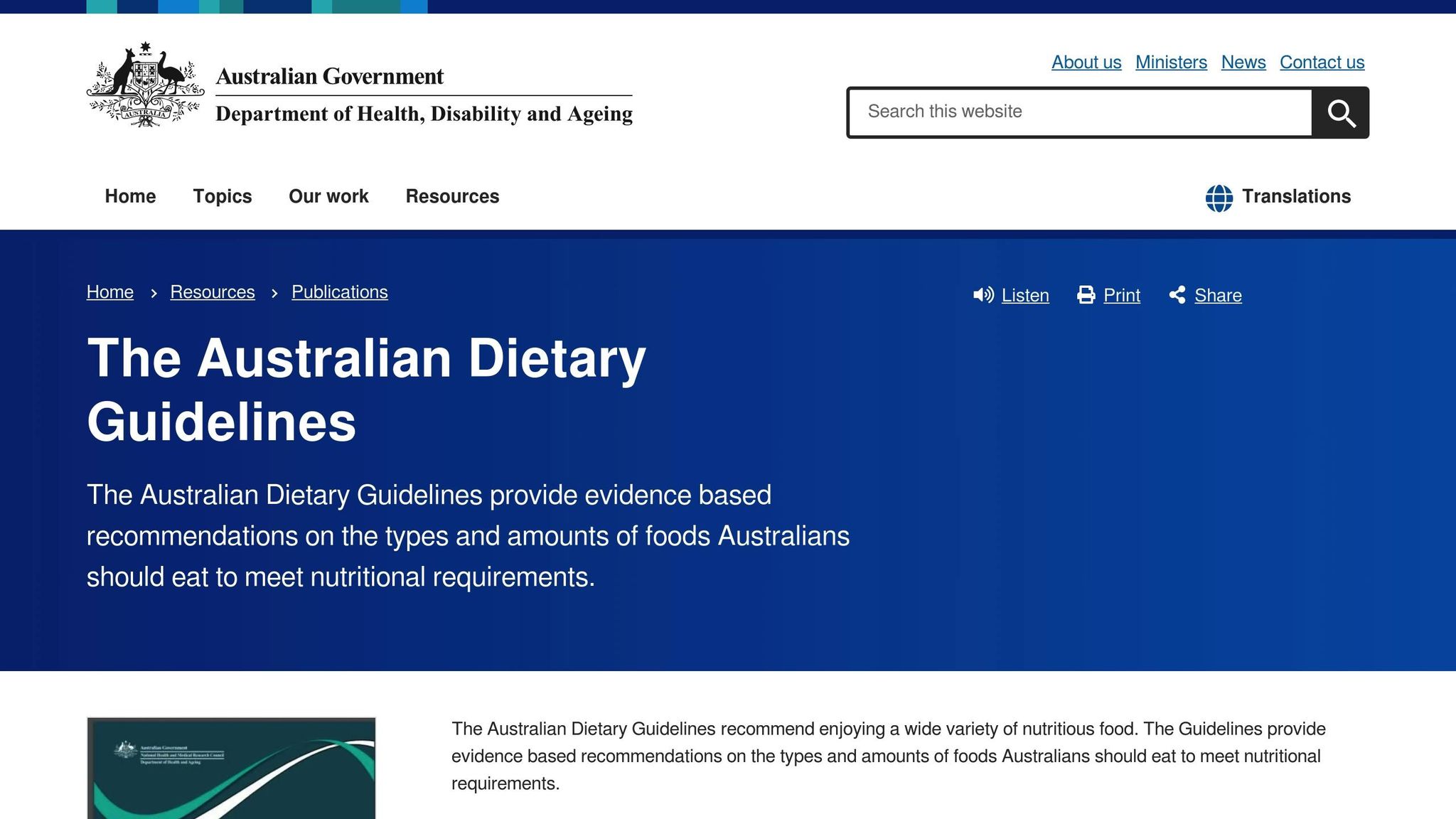
The Australian Dietary Guidelines offer a reliable foundation for maintaining good nutrition, even when chewing becomes a challenge. These guidelines focus on five core food groups, which can be adapted to suit your needs without losing their nutritional value.
- Vegetables and legumes: Opt for softened options like steamed broccoli or mashed sweet potato to retain essential nutrients. Legumes such as lentils and chickpeas can be cooked until tender or blended into soups and dips for easier consumption.
- Fruits: Ripe bananas, soft berries, or stewed apples provide vital vitamins and antioxidants. Canned fruits in natural juice are another great alternative to harder varieties.
- Grain foods: Choose softer options like porridge, pasta, or well-cooked rice. Even wholegrain varieties can deliver fibre and B vitamins when prepared until tender.
- Lean meats and alternatives: Fish like salmon or flaked tuna are packed with omega-3s, while eggs, whether scrambled or in custards, offer a complete protein source.
- Dairy products: Yoghurt, milk, and soft cheeses are naturally easy to consume and rich in calcium. Greek yoghurt is especially beneficial, offering nearly double the protein of regular yoghurt.
It’s also important to limit discretionary foods and focus on nutrient-dense choices to get the most out of every meal. Alongside these dietary changes, regular dental visits play a key role in maintaining overall nutrition.
Why Regular Dental Visits Matter
Regular dental care is essential, especially when tooth loss impacts your ability to eat a balanced diet. These visits help prevent further oral health issues and ensure you can maintain proper nutrition.
- Preventing further tooth loss: Gum disease, which affects many Australian adults, can progress quietly and lead to additional tooth loss if not treated. Regular check-ups help address these issues early.
- Denture maintenance: Ill-fitting dentures can cause discomfort and limit your food options. Routine adjustments ensure they fit properly as your mouth changes over time.
- Restoring chewing function: Modern dental treatments, like implants or improved dentures, can significantly expand your dietary options. For example, Complete Smiles Bella Vista offers dental implant services that can help restore near-normal chewing ability, allowing for a more varied diet.
In Australia, public dental services are available to some eligible patients, and many private health insurance plans cover routine dental visits, making ongoing care more accessible.
Working with Healthcare Professionals
Overcoming the dietary challenges of tooth loss often requires a team effort. Coordinated care from dental and nutrition experts can make a significant difference.
- Dentists: They assess your oral health and recommend treatments like dentures, implants, or other interventions to improve chewing function.
- Dietitians: These professionals create meal plans tailored to your needs, ensuring you get the nutrients you need despite limited chewing ability. They can also suggest supplements if necessary.
- General practitioners: Your GP monitors your overall health and ensures that any dietary changes align with other medical conditions. They often act as a bridge between different specialists to keep your care on track.
Collaboration among these professionals ensures that all aspects of your health are considered, avoiding conflicting advice. Private health insurance may also cover consultations with dietitians and certain dental treatments, making it easier to access the support you need. Staying in regular contact with your healthcare team helps you adapt your plan as your needs evolve.
Conclusion: Main Points About Tooth Loss and Nutrition
Tooth loss has a profound impact on diet and nutrition, as it limits food choices and can lead to nutrient deficiencies. Without the ability to chew properly, many people turn to softer, processed foods, which often lack essential nutrients like protein, fibre, calcium, vitamin D, and vitamin C. These nutrient gaps can weaken muscles, compromise bone health, lower immune function, and drain your energy levels.
But tooth loss doesn’t have to mean the end of good nutrition. By adjusting food textures and seeking dental treatments, you can regain access to a balanced diet. Cooking methods like steaming, stewing, and blending make it easier to enjoy a variety of foods from all five food groups, as recommended in the Australian Dietary Guidelines.
The best results come from combining dietary adjustments with professional dental care. Working with a dentist, dietitian, and GP ensures a tailored plan to address both chewing difficulties and nutritional needs. While your dentist focuses on improving chewing function, a dietitian can guide you in maintaining a nutrient-rich diet in the meantime.
Tooth loss may be challenging, but it doesn’t have to compromise your health. Whether you’re facing this issue now or have been managing it for years, seeking professional help can restore both your nutrition and your enjoyment of food. The sooner you address these concerns, the better your chances of improving your long-term wellbeing.
FAQs
How can I eat a balanced diet if I struggle to chew due to missing teeth?
If eating has become challenging due to tooth loss, you can still enjoy a balanced diet by choosing soft, nutrient-packed foods. Consider options like mashed fruits, cooked vegetables, scrambled eggs, yoghurt, and soups. These are not only easy to eat but also provide essential vitamins and minerals. Don’t forget to include calcium-rich foods, such as dairy products or fortified plant-based alternatives, to help support your oral health.
It’s also wise to steer clear of sugary and acidic foods, as they can damage your teeth and gums. If you’re unsure about your nutritional intake or need help planning meals, reaching out to a dietitian or your dentist can be a great way to ensure you’re meeting your dietary needs while taking care of your oral health.
What are the best dental options to restore chewing ability if you have missing teeth?
If you’re dealing with missing teeth, there are several ways to regain both function and comfort. Dental implants are a widely chosen solution. They involve securing a titanium post into your jawbone, providing a strong base for a replacement tooth that looks and works just like a natural one. Another option is dental bridges, which rely on neighbouring teeth to support a prosthetic that fills the empty space, helping restore your chewing ability.
For those missing several teeth, removable partial dentures might be a practical choice, offering flexibility and ease of use. Alternatively, implant-supported dentures combine stability with comfort, making them a reliable option. Your dentist can help you explore these treatments and recommend the one that best suits your needs and lifestyle.
How does tooth loss impact nutrition, and why is it important to address it?
Tooth loss doesn’t just impact your smile – it can also make chewing and enjoying a variety of foods much harder. This often leads to a less varied diet, which in turn can cause nutritional gaps. Key nutrients like calcium and vitamin D, essential for keeping bones and teeth strong, are often the first to be affected.
If these deficiencies aren’t addressed, they can weaken your jawbone, making you more vulnerable to further tooth loss. Over time, this can also lead to broader health concerns, such as a weakened immune system or even bone fractures. Prioritising a balanced diet and seeking proper dental care are vital steps to protect both your oral health and your overall well-being.
Related Blog Posts
- Best Foods for Healthy Teeth: Dentist Recommendations
- Do Plant-Based Diets Prevent Periodontitis?
- Factors Affecting Long-Term Implant Success
- Chronic Conditions and Tooth Replacement: What to Know
Important Notice: Any surgical or invasive procedure carries risks. Before proceeding, you should seek a second opinion from an appropriately qualified health practitioner.
Individual results may vary. The information provided in this article is for educational purposes only and does not constitute medical advice.
Checkout Related Blogs




Get in touch with us
For more information, call us now to start feeling better. Or fill the form below to make appointment
The Latest News from Complete Smiles
How to Clean Clear Plastic Retainers
Checklist for Choosing Wearable Dental Devices
Checklist for Choosing Cloud AI Platforms in Dentistry

Complete Smiles Bella VistaAccepts All Major Health Funds, Including





