





Does Insurance Cover Guided Tissue Regeneration?
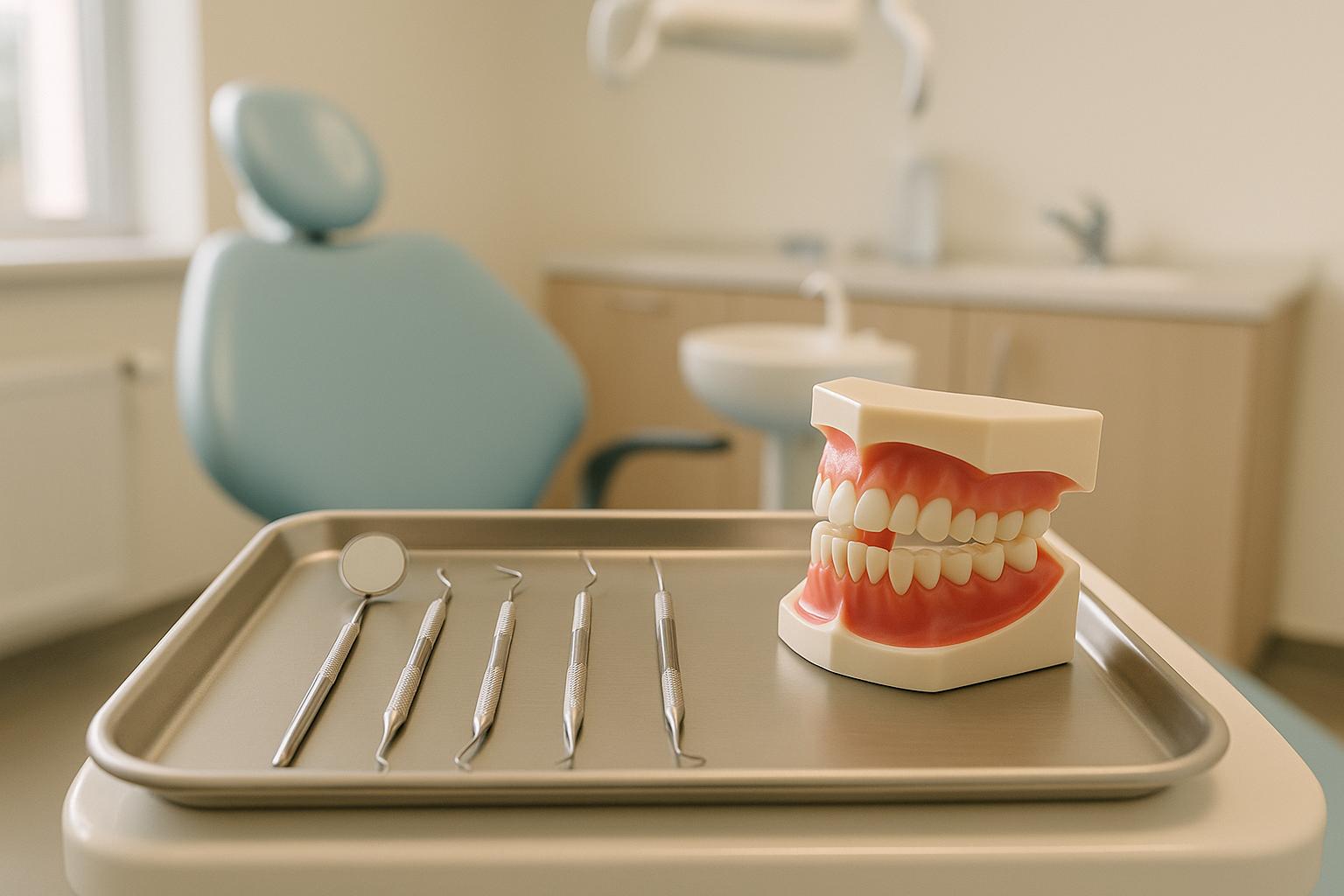
Guided Tissue Regeneration (GTR) is a dental procedure aimed at restoring bone and gum tissues affected by periodontal disease. Whether insurance covers GTR depends on several factors, including your health fund, policy type, and the specifics of your case. In Australia:
- Private health insurance: Coverage typically falls under extras policies for dental treatments. Rebates vary based on your level of cover and membership duration.
- Medicare: Does not cover GTR as it is classified as a dental procedure.
- Costs: GTR can range from $500 to $2,500 per site, with additional fees for consultations and follow-ups.
- Approval: Requires clinical documentation, including evidence of medical necessity and item codes like D4266 or D4267.
- Waiting periods: Often apply for major dental treatments, ranging from months to over a year.
To avoid unexpected costs, confirm coverage details with your health fund, including waiting periods, annual limits, and whether your periodontist is in-network. Always request a detailed quote and pre-approval before proceeding.
How Can I Understand My Dental Insurance Coverage Better? – The Pro Dentist
GTR Insurance Coverage in Australia
Navigating how Australian health insurance deals with guided tissue regeneration (GTR) involves understanding the distinction between dental and medical insurance, as well as the factors that influence approval for benefits.
Dental vs Medical Insurance for GTR
In Australia, GTR is generally classified as a dental procedure rather than a medical one. Since Medicare does not cover dental treatments, procedures like periodontal therapy and GTR usually result in out-of-pocket costs for patients [4]. For most, private health insurance with extras cover is the main way to claim benefits for GTR. These policies often provide rebates for dental services, including examinations, periodontal treatments, and surgeries. The rebate amount for GTR depends on your health fund, the length of your membership, and your level of cover [4][1].
In certain cases, GTR might be covered under hospital insurance if it involves inpatient care, such as treatments requiring specialised anaesthesia or extensive bone grafting [6].
The costs can add up quickly. A consultation with a periodontist typically costs around $250, while periodontal surgery can range from $500 to $2,500, depending on the complexity of the treatment and the number of teeth involved [4].
These coverage details are closely tied to eligibility, as explained below.
What Affects Your Coverage Eligibility
Several factors determine whether your GTR treatment will be covered. Clinical documentation is essential for approval. Your periodontist needs to provide detailed evidence showing the medical necessity of the procedure, including the severity of your periodontal condition and why GTR is the recommended approach.
The type of membrane used during the procedure can also impact coverage. For example, the cost for dental code D4266 (guided tissue regeneration – resorbable barrier, per site) averages around $780, with prices ranging from $560 to $1,030 depending on the location [7].
Policy exclusions are another key consideration. Some health funds, such as Frank Health Insurance, do not cover item 237 (guided tissue regeneration – membrane removal) [5]. Additionally, many general dental policies exclude major procedures, and even major dental cover might not include certain periodontal treatments [6].
Membership length and waiting periods also play a role. For major treatments, waiting periods can range from several months to over a year [3].
The complexity of your case matters, too. Single-site GTR treatments may have different coverage compared to more intricate, multi-site procedures that require additional materials or extended surgery time. Each health fund has its own rules about what is covered, what is excluded, and any limits that may apply [8].
Before proceeding with treatment, it’s essential to contact your health fund. Ask your periodontist for detailed clinical documentation and item numbers to confirm your benefits and calculate any out-of-pocket costs [1][4].
Questions to Ask Your Health Fund
Before starting guided tissue regeneration (GTR) treatment, it’s crucial to get clear answers from your health fund. This helps you avoid unexpected costs and ensures you’re prepared with the necessary documentation. By asking the right questions, you can better understand your coverage and make informed decisions.
What to Check Before Your GTR Procedure
Start by confirming whether your health fund categorises GTR as a dental or medical procedure. Since around half of Australians have dental cover [10], it’s important to know which category applies to your treatment and what benefits your policy offers.
Next, check the waiting period for GTR treatment under your plan. Many dental insurance policies have waiting periods before certain treatments are covered, which could impact when you can proceed.
Find out if pre-approval is required for your GTR procedure. Many insurers need documentation from your periodontist before approving coverage. For example, in Victoria, claims through the Transport Accident Commission (TAC) require prior approval for periodontal procedures, including GTR [13].
It’s also worth verifying whether your periodontist is an in-network provider. Some health funds work with no-gap providers, potentially reducing or eliminating out-of-pocket costs. If your specialist is out-of-network, ask how this affects your rebates.
Finally, ask about your annual benefit limits. Dental insurance often caps the total amount reimbursed each year [12]. Since GTR can be expensive, knowing how much of your limit the procedure will use is essential.
Policy Exclusions and Limits
Check if your policy excludes GTR or imposes specific limits on coverage [11].
Pre-existing conditions are another factor to consider. Many policies either exclude coverage for these conditions or enforce longer waiting periods [10]. If your periodontal condition existed before you took out insurance, confirm how this affects your GTR coverage.
Ask about potential gap fees, which are the costs you’ll need to pay out of pocket after receiving your insurance rebate [12]. Request an estimate based on your periodontist’s fees and your policy’s benefits.
Lastly, clarify what documentation you’ll need to submit claims. This might include claim forms, medical reports, certificates of capacity, or other supporting paperwork [14]. Having this information upfront can simplify the claims process.
sbb-itb-2be92ed
Out-of-Pocket Costs for GTR
After reviewing your insurance coverage, it’s equally important to understand the potential out-of-pocket costs associated with Guided Tissue Regeneration (GTR). Knowing these expenses can help you plan your budget and avoid unexpected financial burdens. While insurance may cover some of the fees, there’s often a gap that you’ll need to cover yourself.
Expected Costs for GTR Treatment
The cost of GTR can vary depending on whether you consult a general dentist or a specialist. As of 1 July 2025, the Transport Accident Commission (TAC) has set maximum payment rates at $576.80 per tooth or implant for general dentists and $678.60 for specialists [15]. For membrane removal, the rates are $670.05 for general dentists and $788.33 for specialists [15].
However, many dental providers charge fees above these TAC rates, meaning you may face additional out-of-pocket costs [13]. The final gap payment will depend on the dentist’s or specialist’s pricing and the complexity of your treatment.
Another factor to consider is the annual benefit limits on your private health insurance. GTR procedures can quickly use up a large portion of these limits, especially if you need treatment on multiple sites or require additional periodontal care. The level of cover you have – and the specific terms of your policy – will affect how much of the cost is reimbursed and how much you’ll need to pay out of pocket.
How to Claim GTR in Australia
To claim GTR treatment, your dental provider will use the D4267 dental code, which refers to "Guided Tissue Regeneration – Nonresorbable Barrier, Per Site" [16]. This code applies when a nonresorbable barrier membrane is used to promote the regrowth of bone and tissue lost due to periodontal disease [16].
Before undergoing treatment, ask your periodontist for a detailed quote. This should break down all associated costs, including the procedure itself, imaging, anaesthesia, and follow-up appointments. Submit this quote to your health fund to receive a written estimate of your benefits and any potential gap payments.
It’s also a good idea to send pre-approval documents, such as your periodontist’s treatment plan and clinical notes, to your insurance provider well in advance. Diagnostic images like X-rays are usually required as part of this process. After the procedure, make sure to submit your claim promptly and keep copies of all related documents for your records.
When GTR is Covered vs Not Covered
Understanding when your health fund will approve Guided Tissue Regeneration (GTR) can help you sidestep unexpected expenses. Whether GTR is covered often hinges on your clinical situation, the specifics of your policy, and how well your dentist documents the need for the procedure.
Coverage Scenarios Comparison
Here’s a quick comparison of situations where GTR is often covered versus cases where it’s not:
| Covered | Not Covered |
|---|---|
| Advanced periodontal disease with documented bone loss requiring GTR to stabilise endangered teeth | Cosmetic enhancement where GTR is performed primarily for aesthetic reasons without medical necessity |
| Pre-implant site preparation when GTR is needed to build sufficient bone for implant placement | Experimental GTR techniques that don’t align with standard guidelines |
| Trauma-related bone loss where GTR restores damaged periodontal structures after an injury | Out-of-network providers if your policy requires treatment within a specific network |
| Documented periodontal defects with clinical evidence showing GTR as the best treatment option |
Several additional factors influence whether your GTR procedure will be approved. Proper documentation, including accurate ADA coding, is essential for speeding up the approval process [2].
Insurance assessors rely heavily on clinical evidence to make decisions. Key details like periodontal pocket depths, X-ray measurements showing bone loss, and proof that GTR is necessary to stabilise teeth or prepare for implants are crucial [17].
Policy exclusions can also play a significant role. Even when GTR is medically justified, some health funds may exclude it entirely or impose waiting periods before coverage begins. For instance, certain insurers classify dental implants as cosmetic and may extend that view to related procedures like GTR [18].
Your choice of dentist is another critical factor. Many policies require you to use in-network providers, who often have pre-negotiated rates and smoother approval processes. Choosing an out-of-network dentist may lead to higher out-of-pocket costs or even a denial of coverage [18].
Lastly, timing matters. Waiting periods and other timing-related restrictions vary between insurers, so it’s important to confirm the specifics of your policy ahead of time. Don’t assume your GTR procedure will be covered based on general information – double-check your coverage details beforehand.
Getting Insurance Coverage for GTR
Getting insurance coverage for Guided Tissue Regeneration (GTR) takes careful planning and clear communication with both your dentist and your health fund. The first step is understanding the details of your insurance policy before you book the procedure.
Take the time to review your health insurance documents thoroughly. This will help you understand what is covered, as well as any exclusions, restrictions, or limitations that might apply [20]. It’s important to remember that extras policies often come with claiming limits, even for medically necessary treatments [19].
Reach out to your health fund to get a clear breakdown of the benefits available for GTR. This should include details about surgeon fees, anaesthetic costs, medications, and facility charges. At the same time, ask your dentist for any clinical documentation required to support your claim [8] [20]. When speaking with your insurer, request written confirmation of your coverage details. Your dentist’s role is crucial in this process, as they’ll need to review your specific member benefits to identify any limitations or exclusions for GTR [8].
Taking these steps can help you manage costs and improve the chances of a smoother claims process.
Tips for Patients
Confirm your coverage before starting treatment to avoid surprises. Some health funds exclude regenerative therapies altogether or impose frequency limits that may affect your claim [16]. Checking ahead of time can save you from unexpected out-of-pocket expenses.
Opt for in-network providers whenever possible to maximise your benefits and reduce costs [21]. Dentists within your insurer’s network often have pre-negotiated rates and more efficient approval processes. If you’re considering an out-of-network provider, make sure you understand how this decision will impact your coverage and overall expenses.
Discuss potential out-of-pocket costs with your dentist, health fund, and treatment facility before committing to the procedure [9]. In Australia, individuals cover about 15% of healthcare expenses directly through out-of-pocket fees – nearly double the contributions from private health insurers [22]. Knowing these costs in advance can help you plan your treatment and financing options effectively.
Explore alternative treatments that may be more affordable while still meeting your periodontal needs [21]. Your dentist can guide you on whether less expensive options could work for your specific condition.
Lastly, maintain good oral health to reduce the risk of needing more extensive and costly treatments in the future [21]. Regular check-ups and consistent oral care at home can help prevent periodontal disease from progressing to the point where GTR becomes necessary.
FAQs
Is Guided Tissue Regeneration covered by private health insurance in Australia?
When it comes to Guided Tissue Regeneration (GTR), whether your private health insurance covers the procedure will depend on the specifics of your policy. To find out, take a close look at the dental or periodontal treatment sections of your insurance plan. Alternatively, you can contact your insurer for clarification. Some policies may specifically include GTR or related treatments, like membrane removal or other regenerative procedures, in their list of benefits.
When you reach out to your insurer, make sure to ask about any applicable limits, waiting periods, or potential out-of-pocket costs. Knowing these details ahead of time can help you avoid any surprises when it comes to expenses.
How can I reduce out-of-pocket costs for Guided Tissue Regeneration (GTR)?
To cut down on out-of-pocket expenses for Guided Tissue Regeneration (GTR) in Australia, start by finding out if your dentist is a preferred provider under your private health insurance. Preferred providers often give higher rebates, which can help reduce your overall costs.
You can also look into government initiatives like the Child Dental Benefits Schedule (CDBS). This program offers eligible children access to subsidised dental care, which might include treatments like GTR. On top of that, many dental clinics provide flexible payment plans to help you spread the cost over time. Having a conversation with your dentist about these options could make the treatment more manageable.
Does insurance cover guided tissue regeneration, and why is clinical documentation important?
Insurance coverage for guided tissue regeneration (GTR) largely hinges on the details of your policy and whether the procedure is classified as medically necessary. A key factor in this process is clinical documentation, which serves as proof of the treatment’s necessity. This documentation not only ensures compliance with insurance guidelines but also helps with accurate billing and speeds up the approval process.
If you’re unsure whether GTR is included in your plan, take the time to review your policy and reach out to your insurance provider for clarification. Having thorough and clear documentation can make a big difference in securing approval and avoiding unnecessary delays.
Related Blog Posts
- Dental Implants: Your Top 8 Questions Answered
- Clinical Outcomes of Guided Tissue Regeneration
- Advances in Gum Grafting Materials and Techniques
- Soft Tissue Grafting: Indications Explained
Important Notice: Any surgical or invasive procedure carries risks. Before proceeding, you should seek a second opinion from an appropriately qualified health practitioner.
Individual results may vary. The information provided in this article is for educational purposes only and does not constitute medical advice.
Checkout Related Blogs




Get in touch with us
For more information, call us now to start feeling better. Or fill the form below to make appointment
The Latest News from Complete Smiles
How to Clean Clear Plastic Retainers
Checklist for Choosing Wearable Dental Devices
Checklist for Choosing Cloud AI Platforms in Dentistry

Complete Smiles Bella VistaAccepts All Major Health Funds, Including





