





Complete Guide to Dental Implants: What to Expect
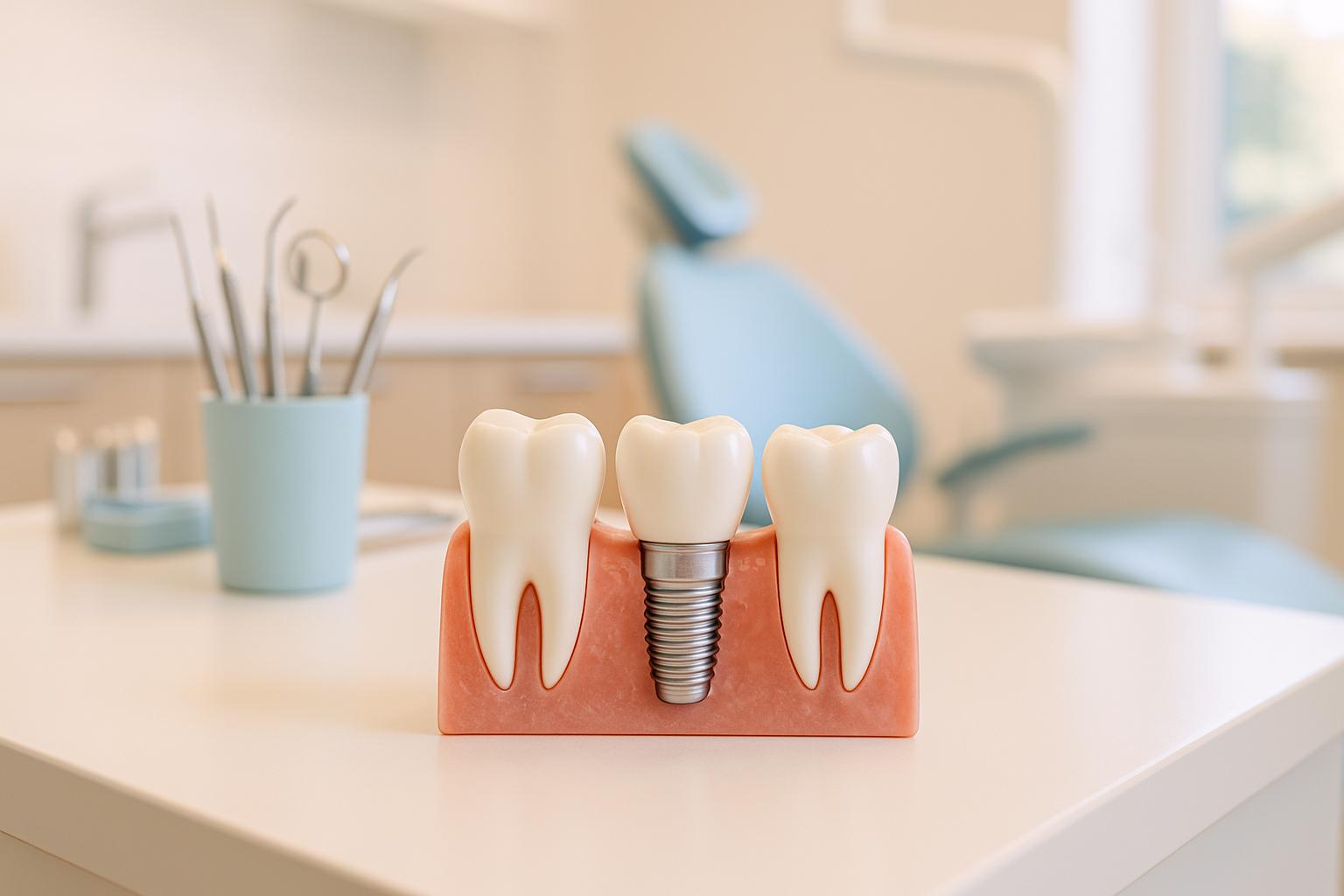
Tooth loss can have a profound impact – not just on practical activities like eating and speaking but on the very structure of your face and your overall confidence. Advances in dental technology, however, have made the road to a restored smile smoother and more effective than ever before. For Australians prioritising both their oral health and aesthetic appearance, dental implants offer a transformative solution.
This comprehensive guide explores the process of dental implants, breaking it down step-by-step to demystify the treatment and show how modern techniques ensure safety, comfort, and outstanding results.
Why Dental Implants Are a Game-Changer
Tooth loss isn’t just a cosmetic issue – it can lead to significant functional and health challenges. Whether due to decay, gum disease, injury, or congenital conditions, missing teeth can:
- Make chewing and speaking difficult.
- Alter the shape of your face over time, leading to premature ageing.
- Undermine your self-confidence.
Dental implants serve as a durable, natural-looking replacement for lost teeth. Designed to act and feel like your own, they restore not only your smile but also your ability to chew, speak, and maintain a healthy facial structure. With a success rate among the highest in modern medicine, implants represent a reliable and lasting solution to tooth loss.
sbb-itb-2be92ed
The Dental Implant Process: Step-by-Step
1. Initial Consultation: Laying the Foundation
The journey begins with a thorough consultation that goes far beyond a routine check-up. During this stage, your dental surgeon will:
- Review your medical and dental history to identify any health conditions or medications that could affect healing or the treatment approach.
- Conduct a clinical examination of your teeth, gums, and jaw to assess tissue health, bite alignment, and available space for the implant.
- Utilise advanced diagnostic imaging, such as CBCT (Cone Beam Computed Tomography), to create a 3D map of your jaw. This allows surgeons to measure bone dimensions with precision, assess density, and identify critical anatomical structures like nerves and sinuses.
This stage is also a collaborative process. Patients are encouraged to voice their concerns, goals, and questions, which helps build trust and ensures that the treatment plan aligns with their needs and expectations.
2. Treatment Planning: Customising the Approach
Once all diagnostic information is gathered, your dental team will develop a tailored treatment plan. This includes:
- Deciding on the type of implant and restoration, whether it’s a single crown, a bridge, or an implant-supported denture.
- Setting a realistic timeline for the procedure.
- Providing a clear breakdown of costs and discussing potential risks, although complications are rare with modern techniques.
This planning phase is critical for ensuring the long-term success of the implant.
3. Implant Placement Surgery: Precision Meets Comfort
The actual implant placement involves a safe and carefully controlled procedure:
- Anesthesia or sedation is used to ensure patient comfort. Options range from local anaesthesia to IV sedation, depending on the surgery’s complexity and the patient’s preferences.
- If a tooth is still present, it is removed, and the site is shaped for the implant. For already missing teeth, a small incision is made to access the jawbone.
- The dental implant, typically made of titanium with a special textured surface, is precisely placed into the prepared site. Its design encourages the surrounding bone to grow onto it, creating a stable foundation.
- A healing abutment is placed on the implant, preventing the gum tissue from growing over it.
This phase, often quicker than patients expect, is completed with an emphasis on precision to ensure ideal positioning for functionality and aesthetics.
4. Healing Phase: The Fusion of Bone and Implant
The healing phase, known as osseointegration, is where the magic happens. During this period, the bone fuses with the implant surface, creating a permanent, stable bond. Key aspects of this stage include:
- Duration: Typically around 12 weeks, during which the implant must remain undisturbed.
- Post-operative care: Patients are advised to maintain excellent oral hygiene, avoid chewing on the implant, and abstain from smoking to ensure optimal healing.
This process is a testament to the body’s remarkable ability to adapt and integrate biocompatible materials, enabling the implant to function like a natural tooth root.
5. Restoration: Completing the Smile
After confirming that the implant has successfully fused with the bone, the final phase involves attaching the prosthetic tooth or teeth. This is usually done by the patient’s dentist and involves:
- Creating a custom abutment, a small connector piece that links the implant to the crown or other restoration. Modern CAD/CAM technology ensures a precise fit that matches the gum contours.
- Designing and fabricating the final restoration, such as a crown, bridge, or denture. Materials like zirconia are often used for their strength and natural appearance.
- Carefully placing the restoration and making adjustments to ensure it fits comfortably, looks natural, and functions effectively.
The result? A fully restored smile that feels as good as it looks.
Modern Advancements That Make a Difference
The success of dental implants owes much to advancements in technology and materials:
- CBCT Imaging: Provides unparalleled accuracy in planning and placement.
- Biocompatible Materials: High-quality titanium and textured surfaces promote bone integration.
- Digital Scanning: Eliminates the need for messy impressions, speeding up the process and improving precision.
These innovations ensure a smooth, efficient, and predictable experience for patients.
Key Takeaways
- Dental implants address both functional and aesthetic issues caused by tooth loss. They restore chewing ability, improve speech, and maintain facial structure over time.
- The process involves five key steps: consultation, planning, implant placement, healing, and final restoration.
- Technologies like CBCT and CAD/CAM have revolutionised implant dentistry, making it safer, faster, and more comfortable for patients.
- Osseointegration, the fusion of bone and implant, is a critical biological process that ensures the stability and longevity of the implant.
- Patient cooperation, particularly during the healing phase, is vital for achieving the best outcome.
Why Consider Dental Implants?
For Australians seeking a long-term solution to tooth loss, dental implants offer unmatched benefits. They not only enhance oral health and aesthetics but also boost confidence and overall quality of life. By addressing concerns through careful planning and advanced techniques, dental professionals can deliver results that truly transform lives.
If you’re considering dental implants, know that the process is simpler and more rewarding than you might think. With meticulous care, expertise, and collaboration, achieving a natural, functional, and radiant smile is well within reach.
Source: "The Process of Getting Dental Implants: What to Expect | Ep. 5 of Oral Surgery Insights" – Beacon Oral & Maxillofacial Surgeons, Dental Implants and Wisdom Teeth, YouTube, Aug 24, 2025 – https://www.youtube.com/watch?v=4yoHODsvABs
Use: Embedded for reference. Brief quotes used for commentary/review.
Related Blog Posts
- Dental Implants: Your Top 8 Questions Answered
- Factors Affecting Long-Term Implant Success
- What Is Digital Guided Implant Surgery?
- Dental Implants vs Bridges: Pros and Cons
Important Notice: Any surgical or invasive procedure carries risks. Before proceeding, you should seek a second opinion from an appropriately qualified health practitioner.
Individual results may vary. The information provided in this article is for educational purposes only and does not constitute medical advice.
Checkout Related Blogs




Get in touch with us
For more information, call us now to start feeling better. Or fill the form below to make appointment
The Latest News from Complete Smiles
How to Clean Clear Plastic Retainers
Checklist for Choosing Wearable Dental Devices
Checklist for Choosing Cloud AI Platforms in Dentistry

Complete Smiles Bella VistaAccepts All Major Health Funds, Including





