





Complete Guide to Dental Implant Procedure
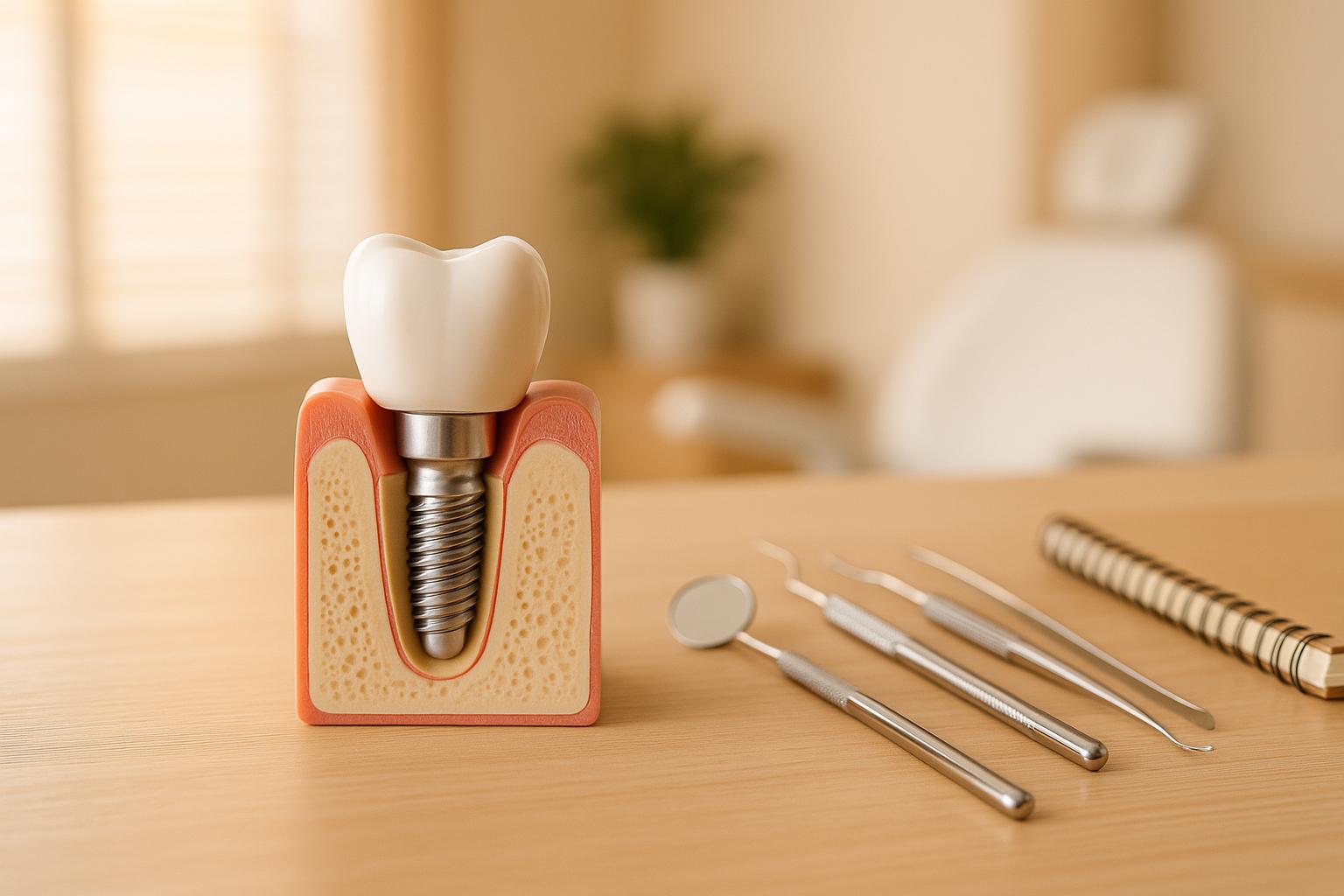
Dental implants are a transformative solution for those seeking to restore both function and aesthetics after tooth loss. While once considered a straightforward process, advancements in dental technology have significantly enhanced the precision, safety, and results of implant procedures. This article provides a comprehensive walkthrough of the modern dental implant process, from initial consultation to post-implant care, offering valuable insights for individuals and families in Australia who prioritise long-term oral health and confidence in their smiles.
Why Opt for Dental Implants?
Dental implants have quickly become the gold standard for tooth replacement. Unlike temporary solutions such as dentures or bridges, implants offer a permanent, durable, and natural-looking option. They not only restore the ability to chew and speak but also prevent bone loss in the jaw and maintain the structural integrity of surrounding teeth. However, achieving these benefits requires a precise and carefully planned procedure, tailored to each individual’s unique oral anatomy.
sbb-itb-2be92ed
The Dental Implant Journey: Step-by-Step
1. Consultation and Diagnosis
The journey begins with a thorough consultation with your dentist. During this visit, the dentist assesses your oral health, examines the site of tooth loss, and evaluates the condition of your gums and adjacent teeth.
To ensure an accurate diagnosis:
- CT Scans (3D Imaging): Unlike older 2D X-rays, modern CT scans provide detailed, three-dimensional images of your jawbone. These scans enable dentists to measure bone density, height, and volume while identifying key anatomical structures such as nerves, sinuses, and blood vessels.
- Oral Scans: Intraoral scanners capture a precise digital model of your mouth. This process allows both the patient and the dentist to visually assess tooth alignment, bone health, and gum conditions in real time.
2. Treatment Planning
With diagnostic data in hand, the dentist devises a tailored treatment plan. Modern dental technology enables the use of:
- Surgical Guides: Created using digital simulations and scans, these guides ensure the exact placement of the implant in all three spatial dimensions. This minimises risk and optimises implant stability and alignment.
- Robot-Assisted Surgery (if applicable): For some complex cases, robotic systems may guide the placement of the implant with unparalleled precision.
The dentist also assesses overall health factors, such as blood clotting abilities, and ensures no active infections or underlying health conditions could impede the procedure.
3. Implant Placement Procedure
Implant placement is a minor surgical procedure conducted under local anaesthesia. Here’s what you can expect:
- Preparation: The dentist preps the surgical site by creating a small opening in the gum tissue. Using the pre-designed surgical guide, they drill into the jawbone at the precise angle and depth required.
- Placement: The titanium implant, which acts as the artificial tooth root, is inserted into the jawbone. Depending on bone density and stability:
- If the bone is strong, a healing abutment (transepithelial connector) may be placed immediately to shape the gums.
- If the bone is weak, the gums may be closed entirely, allowing the implant to integrate undisturbed for 3–4 months.
Modern techniques minimise trauma to the surrounding tissues, reducing discomfort and promoting faster healing.
4. Healing and Osseointegration
After the procedure, the implant undergoes osseointegration – a process where the titanium fuses with the surrounding bone. This integration ensures the implant becomes a sturdy foundation for the crown. Osseointegration typically takes 3–4 months.
During this period, patients are advised to:
- Stick to soft foods to avoid pressure on the healing implant.
- Follow meticulous oral hygiene practices to prevent infection.
5. Abutment and Crown Placement
Once the implant is securely integrated, the dentist attaches the abutment (the connector between the implant and the crown) and takes impressions for the final crown. Modern practices use digital impressions rather than traditional moulds, offering several advantages:
- Enhanced comfort without the need for messy impression materials.
- Greater accuracy and reduced risk of errors.
The dental lab then fabricates a custom crown, designed to match the shape, size, and colour of your natural teeth. Crowns may be made from durable materials such as multi-layered ceramic for optimal strength and aesthetics.
Advanced Technologies Revolutionising Dental Implants
CT Cone Beam Imaging
This technology provides unparalleled insights into jawbone structure, allowing for accurate treatment planning and reducing complications such as nerve damage or sinus perforation.
Intraoral Scanning
Digital scanners eliminate traditional impression methods, offering a more comfortable and precise patient experience.
Customised Healing Abutments
Custom abutments replicate the natural shape of the gum line, promoting better aesthetics and easier cleaning compared to pre-fabricated options.
CAD/CAM Technology
Computer-aided design (CAD) and manufacturing (CAM) systems streamline the creation of crowns and abutments, ensuring a perfect fit and natural appearance.
Post-Procedure: Maintenance and Follow-Up
Many patients mistakenly believe their dental implant journey ends once the crown is placed. However, ongoing maintenance is critical to ensure the long-term success of the implant.
1. Regular Check-Ups
Schedule dental appointments every 6–12 months. These visits enable your dentist to:
- Inspect the implant for signs of bone loss or loosening.
- Check the crown for chips or cracks.
- Ensure proper oral hygiene habits are maintained.
2. Oral Hygiene Best Practices
- Use a soft-bristle toothbrush and non-abrasive toothpaste.
- Clean around the implant using floss or interdental brushes designed for implant care.
- Avoid habits such as teeth grinding or chewing hard objects, which can damage the crown.
3. Professional Cleaning
Periodontal maintenance around the implant is essential to remove plaque and tartar that can lead to peri-implantitis (inflammation of tissues around the implant).
Key Takeaways
- Dental implants are a long-term, natural-looking solution for missing teeth.
- Modern diagnostics, such as 3D CT imaging and intraoral scanning, ensure precise treatment planning and safer procedures.
- The implant process typically spans 3–6 months, depending on healing and osseointegration.
- Advanced techniques like customised abutments and CAD/CAM crowns enhance aesthetics and durability.
- Post-procedure care, including regular check-ups and proper oral hygiene, is vital for implant longevity.
- Patients with sensitive gag reflexes or smaller mouths benefit greatly from digital impressions.
Final Thoughts
The dental implant journey is a blend of technology, expertise, and personalised care. While it requires time and meticulous planning, the results – a functional, beautiful smile – are well worth the effort. By embracing modern advancements in dentistry, patients can achieve unparalleled outcomes with minimal discomfort and maximum longevity.
For Australians seeking a balanced approach to oral health and aesthetics, dental implants exemplify the perfect synergy of function and beauty. If tooth loss has impacted your confidence or quality of life, consulting a trusted dentist for implant evaluation could be your first step towards a transformative smile.
Source: "Quy Trình Trồng Răng Implant Từ A–Z| Trồng Răng Tại Lạc Việt Intech Có Gì Khác?" – Nha Khoa Lạc Việt Intech, YouTube, Sep 17, 2025 – https://www.youtube.com/watch?v=aItiY27JO_U
Use: Embedded for reference. Brief quotes used for commentary/review.
Related Blog Posts
- Dental Implants: Your Top 8 Questions Answered
- Flapless Implant Surgery: Benefits and Process
- Factors Affecting Long-Term Implant Success
- What Is Digital Guided Implant Surgery?
Important Notice: Any surgical or invasive procedure carries risks. Before proceeding, you should seek a second opinion from an appropriately qualified health practitioner.
Individual results may vary. The information provided in this article is for educational purposes only and does not constitute medical advice.
Checkout Related Blogs




Get in touch with us
For more information, call us now to start feeling better. Or fill the form below to make appointment
The Latest News from Complete Smiles
How to Clean Clear Plastic Retainers
Checklist for Choosing Wearable Dental Devices
Checklist for Choosing Cloud AI Platforms in Dentistry

Complete Smiles Bella VistaAccepts All Major Health Funds, Including





