





Braces Bella Vista | Complete Smiles Orthodontics
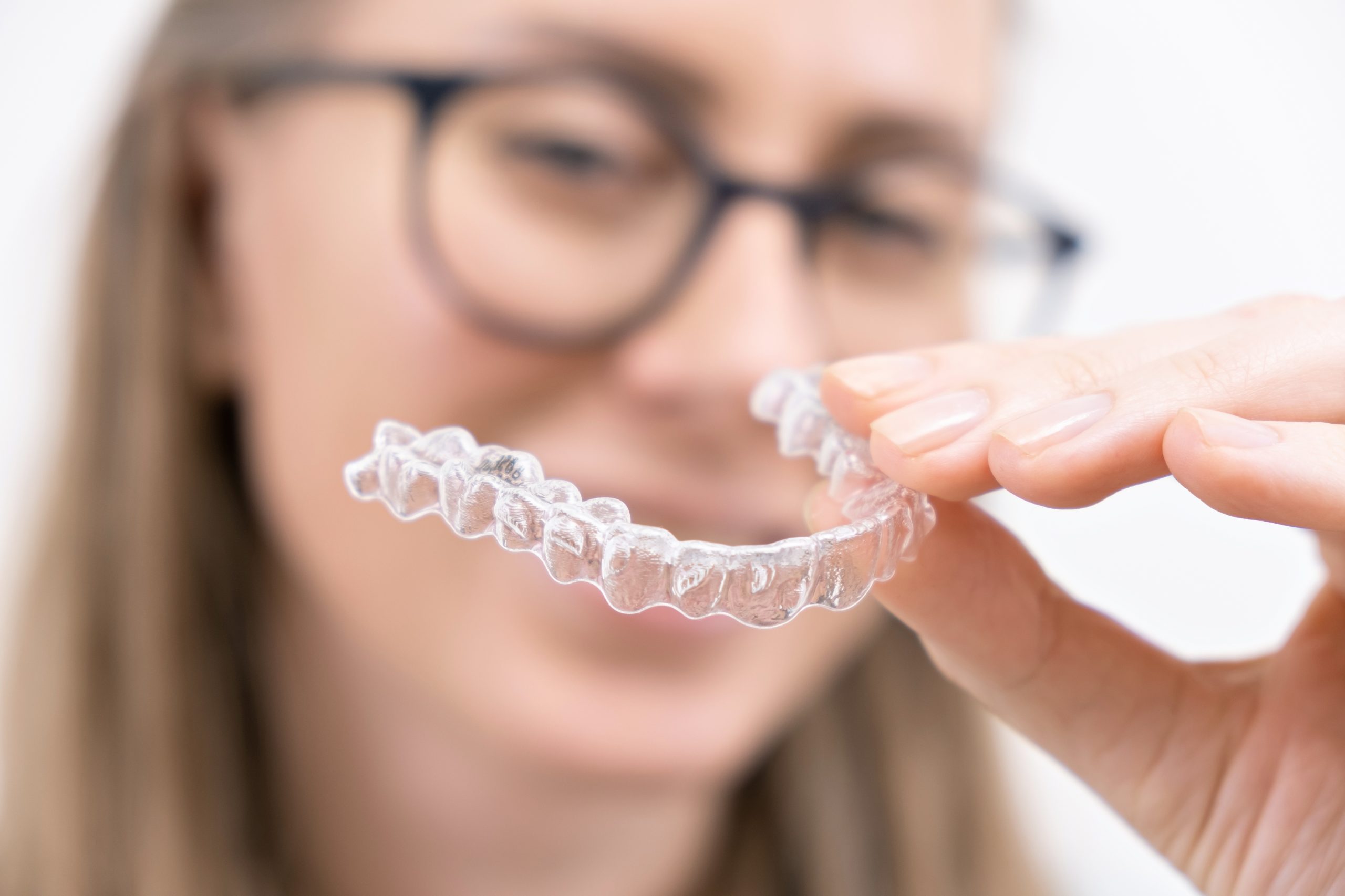
Braces in Bella Vista can transform your smile and improve your oral health. Whether you’re thinking about straightening your teeth or exploring your options, understanding how braces work helps you make the right choice. Complete Smiles Bella Vista offers professional guidance to help you achieve the smile you want. Read on to learn what braces can do for you.
What are braces and how do they work?
Braces are orthodontic devices that apply gentle, steady pressure to move teeth into better positions over time. They consist of brackets, wires and bands that work together as a system. This process gradually aligns your teeth and improves your bite.
The brackets are attached to each tooth and connected by a thin wire. The wire is the active part that guides teeth movement. Over several months or years, your teeth shift into straighter positions. Orthodontists adjust the wire periodically to keep the movement on track. The whole process relies on your body’s natural ability to remodel bone and tissues around the teeth. This is why results take time. But the changes are lasting when treatment completes properly. Your body responds to the consistent, gentle force by gradually moving your teeth. The bone around each tooth root adapts and reforms, anchoring teeth in their new positions permanently once treatment finishes and retention begins. This biological process is predictable and has been refined over decades of orthodontic practice worldwide.
Why choose braces in Bella Vista?
Bella Vista residents benefit from having access to experienced orthodontic care close to home. Complete Smiles Bella Vista provides braces treatment with a focus on comfort and clear communication. Local treatment means fewer travel delays and easier appointment scheduling for busy families. You’ll also build a relationship with your orthodontist, which helps you feel more confident throughout your journey.
Choosing a local provider means you can visit the practice in person to discuss your goals. You’ll see the same team at each appointment, creating continuity of care. The practice understands the Bella Vista community and can tailor advice to your lifestyle. Having your orthodontist nearby also makes it simpler to handle any urgent concerns that arise during treatment. When a bracket loosens or a wire shifts unexpectedly, you can often get same-week care without long delays. This responsive approach keeps your treatment on schedule and reduces unnecessary complications. Building a strong relationship with your local orthodontist also means they understand your specific needs and can adjust your treatment plan if circumstances change during your journey.
Types of braces available
Different braces suit different needs, budgets and preferences for how visible they are. Metal braces are the most common option and tend to be the most affordable choice. Ceramic braces blend with your tooth colour, making them less noticeable than metal ones. Lingual braces attach behind your teeth, so they’re completely hidden from view. Clear aligners are removable trays that gradually shift your teeth without visible wires or brackets.
Each type has its own advantages. Metal braces are durable and work well for complex cases. Ceramic braces offer a middle ground between visibility and cost. Lingual braces suit people who want invisibility but prefer fixed appliances. Clear aligners give you flexibility to remove them for eating and cleaning, though they require discipline to wear them as directed. Your orthodontist can recommend the best option based on your specific needs and goals. The comparison table below shows how these options stack up across key factors.
| Option | Best for | Typical cost |
|---|---|---|
| Metal braces | Complex cases, budget-conscious patients | Lower range |
| Ceramic braces | Visible smile, moderate budget | Mid range |
| Lingual braces | Invisibility, fixed preference | Higher range |
| Clear aligners | Flexibility, mild to moderate cases | Mid to higher range |
How long does braces treatment take?
Treatment duration varies depending on how much movement your teeth need and which type of braces you choose. Most people wear braces for between one and three years. Simpler cases may finish in under a year, while complex cases might take longer. Your orthodontist will give you a more precise timeline after examining your teeth.
Several factors influence how quickly treatment progresses. Your age matters because younger people’s bones respond faster to pressure than adults. The severity of crowding or bite problems affects the timeline too. Some people’s bodies respond more quickly to tooth movement than others. Compliance with care instructions also plays a role. If you wear rubber bands as directed and keep your teeth clean, treatment tends to stay on schedule. Regular adjustment appointments every four to eight weeks help maintain steady progress toward your goals. Missing appointments or neglecting home care can extend your treatment time significantly, so consistency matters throughout your journey. Your orthodontist will monitor your progress at each visit and adjust your treatment plan if needed to keep you on track.
The cost of braces in Bella Vista
Braces are an investment in your oral health and confidence. The cost depends on which type you choose and how complex your case is. Metal braces typically cost less than ceramic or lingual options. Clear aligners often fall in the mid to higher price range. Complete Smiles Bella Vista offers dental payment plans to help make treatment affordable for your family.
Many people find that spreading payments over the treatment period makes braces more manageable. Some health insurance policies cover a portion of orthodontic costs, so it’s worth checking your policy. The practice can discuss payment options with you during your initial consultation. Investing in straight teeth now can reduce the risk of tooth decay and gum disease later, making it a worthwhile long-term investment in your health. Your orthodontist can provide a detailed cost breakdown during your first visit, including all fees for brackets, adjustments, retainers and follow-up care. Understanding the full cost upfront helps you plan your budget confidently. Many practices also offer interest-free payment arrangements to spread the cost across your treatment period.
Caring for your teeth with braces
Keeping your teeth clean while wearing braces requires extra attention and the right tools. You’ll need to brush after every meal and snack to remove food trapped around brackets and wires. A soft-bristled toothbrush works better than a hard one, which can damage brackets. Floss threaders or water flossers help you clean between teeth where regular floss can’t reach easily.
Your diet also matters during treatment. Avoid hard, sticky or crunchy foods that can break brackets or bend wires. Sticky foods like caramel, toffee and chewing gum can get caught in your braces. Hard foods like nuts, hard lollies and popcorn kernels pose a risk too. Cut apples and carrots into small pieces instead of biting into them whole. Soft foods like yoghurt, smoothies, mashed potatoes and scrambled eggs are gentler on your braces. Good oral hygiene habits during treatment help prevent cavities and gum problems that could delay your progress. Rinsing with water after meals helps wash away food particles before you brush, reducing the time bacteria spend on your teeth. Your orthodontist may recommend specific cleaning products that work well with your type of braces.
Braces and your oral health
Straight teeth are easier to clean, which reduces your risk of tooth decay and gum disease. When teeth overlap or crowd together, toothbrush bristles can’t reach all the surfaces. Food particles and bacteria hide in these tight spaces, leading to cavities and inflammation. Braces gradually create spaces that your toothbrush and floss can reach properly. After your braces come off, maintaining good oral hygiene becomes simpler and more effective.
Beyond cleaning benefits, a better bite reduces stress on your jaw joints. Misaligned teeth can cause uneven pressure when you chew, leading to jaw discomfort over time. Straightening your teeth distributes chewing forces more evenly across your mouth. This can help prevent long-term jaw problems and reduce wear on your teeth. Many people also find that straighter teeth feel more comfortable in their mouth. Combining braces with general and preventive dental care gives you the best foundation for lasting oral health. Research indicates that maintaining good oral health habits supports overall wellness, including cardiovascular and metabolic health, so your braces investment extends beyond your smile. Regular dental check-ups during and after braces treatment help catch any issues early.
Life with braces: what to expect
The first few days after getting braces feel different as your mouth adjusts to the new hardware. Your lips and cheeks may feel sore from rubbing against brackets. But this usually settles within a week. You might feel slight pressure on your teeth as they begin to shift. Over-the-counter pain relief can help if you’re uncomfortable. Orthodontic wax applied to brackets creates a smooth barrier that reduces irritation.
As treatment continues, you’ll visit your orthodontist every four to eight weeks for adjustments. You might feel some pressure or mild soreness for a day or two after an adjustment as your teeth respond to the new force. This is normal and temporary. Many people adjust well to wearing braces and find that the minor inconveniences are worth the result. Staying positive and following your orthodontist’s instructions helps the process go smoothly. Most people report that any initial discomfort fades quickly and becomes barely noticeable within weeks. You may also notice your teeth gradually looking straighter between appointments, which can be motivating and rewarding.
Braces versus other straightening options
Several options exist for straightening teeth. Each has different benefits and limitations. Braces apply constant pressure and work well for complex bite problems and severe crowding. Clear aligners are removable and less noticeable. But they require discipline to wear as directed. Lingual braces offer invisibility but cost more and take longer to adjust to.
Choosing between these options depends on your priorities, budget and the complexity of your case. If you have a severe bite problem, braces may be your best option. If you want minimal visibility and can commit to wearing aligners consistently, clear aligners might suit you better. Your orthodontist can explain which option gives you the best chance of achieving your goals. The right choice is the one that aligns with your needs, lifestyle and budget. Some people combine treatments for optimal results, such as using braces first and then veneers to enhance appearance further. Your orthodontist will assess your specific situation and recommend the approach most likely to deliver the results you want.
After your braces come off
Once your teeth reach their ideal position, your orthodontist removes the brackets and wires. Your teeth will feel smooth and look noticeably straighter. However, teeth have a natural tendency to shift back toward their original position over time. Wearing a retainer after braces is essential to keep your teeth in their new position.
Retainers come in two main types: fixed wires bonded behind your teeth, or removable clear trays similar to aligners. Many people use both for the best results. A fixed retainer provides constant support, while a removable one allows flexibility. Your orthodontist will recommend the best retainer plan for your situation. Proper retainer use means your investment in braces pays off for life. Neglecting retainers often leads to teeth gradually shifting back, undoing months or years of treatment. Think of retainers as the final essential step in your braces journey. Some people wear retainers for many years or even permanently to maintain their results.
Smile enhancement after straightening
Once your braces come off and your teeth are straight, you may want to explore additional smile enhancements. Porcelain veneers can improve tooth colour, shape and size for a more polished appearance. Some people also consider dental implants if they have missing teeth that affect their smile. Your orthodontist can discuss these options with you once your braces treatment is complete.
Straight teeth provide an excellent foundation for any cosmetic work you choose. Veneers look more natural and last longer when applied to properly aligned teeth. If you’re missing teeth, implants integrate better with straight neighbouring teeth. Complete Smiles Bella Vista can guide you through all available options to achieve your ideal smile. Many patients find that straightening their teeth first, then adding cosmetic touches, gives them the most satisfying results. The team can also provide information about how to maintain your enhanced smile long-term.
Getting started with braces in Bella Vista
The first step is scheduling a consultation with an orthodontist who can assess your teeth and discuss your goals. During this visit, you’ll have your teeth examined and may have X-rays taken. The orthodontist will explain which treatment options suit your situation and what results you can expect. This is your chance to ask questions and understand the full process before committing.
Complete Smiles Bella Vista makes it easy to book an appointment and start your journey toward a straighter smile. The team will walk you through every step and answer your concerns. if you’re a teenager or an adult, braces can work for you. Starting with a consultation costs nothing and gives you the information you need to make a confident decision about your smile. You can also learn more about the practice and its approach to care by visiting the About Complete Smiles Bella Vista page. The team is ready to help you achieve the smile you’ve always wanted.
Ready to Book Your Visit?
Complete Smiles Bella Vista makes it easy to get the care you need. Book online or call our friendly team to find a time that suits you. Book an Appointment
FAQ
Are braces suitable for adults?
Yes, adults can wear braces just as effectively as teenagers. Adult teeth move more slowly than younger teeth, so treatment may take slightly longer. However, many adults successfully straighten their teeth with braces and enjoy the confidence boost that comes with a straighter smile.
Will braces affect my speech?
Your speech may sound slightly different for the first week or two as your mouth adjusts to braces. Most people adapt quickly and speak normally within days. The brackets and wires don’t permanently affect how you talk.
Can I play sports or musical instruments with braces?
Yes, you can continue playing sports and musical instruments while wearing braces. Mouthguards protect your braces during contact sports. Musicians may need a few days to adjust to how braces feel when playing wind instruments, but most adapt without major difficulty.
How often do I need to visit my orthodontist?
Most people visit their orthodontist every four to eight weeks for adjustments. Your orthodontist will set a schedule based on your specific treatment plan and how your teeth are responding to treatment.
What happens if a bracket breaks?
Contact your orthodontist right away if a bracket breaks or a wire comes loose. Broken brackets can disrupt your treatment progress. Your orthodontist can repair or replace the damaged part at your next appointment or sooner if needed.
Do I need to remove my braces for cleaning?
No, braces are fixed to your teeth and you cannot remove them yourself. You’ll clean around them with a toothbrush and special flossing tools. Your orthodontist removes the braces when treatment is complete. Research on oral health maintenance shows that proper cleaning around fixed appliances significantly reduces complications during orthodontic treatment, as noted in dental health literature.
Related reading
- Types of Braces and Their Costs Explained
- How Metal Braces Work: A Simple Guide
- 5 Factors to Consider: Invisalign or Braces?
- Pros and Cons of Ceramic Braces
- What Are Lingual Braces?
Important Notice: Any surgical or invasive procedure carries risks. Before proceeding, you should seek a second opinion from an appropriately qualified health practitioner.
Individual results may vary. The information provided in this article is for educational purposes only and does not constitute medical advice.
Checkout Related Blogs



Get in touch with us
For more information, call us now to start feeling better. Or fill the form below to make appointment
The Latest News from Complete Smiles
Braces Bella Vista | Complete Smiles Orthodontics
Invisalign Before and After Results at Complete Smiles
Best Invisalign Cleaner Guide | Complete Smiles Bella Vista
Complete Smiles Bella VistaAccepts All Major Health Funds, Including