




Ill-Fitting Dentures: Signs and Solutions
Ill-fitting dentures can cause discomfort, speech difficulties, and even oral health issues. Recognising the warning signs early and seeking professional help is crucial to maintaining your quality of life. Here’s what you need to know:
- Signs of Poor Fit: Persistent pain, gum sores, slipping dentures, speech changes, and food getting trapped.
- Common Causes: Jawbone changes, gum tissue shifts, natural wear, or improper initial fitting.
- Risks: Poor nutrition, infections, and accelerated bone loss.
- Solutions: Temporary fixes include saltwater rinses or denture adhesives. Long-term fixes involve dentist adjustments, relining, or replacements.
- Prevention: Regular dental check-ups, proper denture care, and maintaining jawbone health.
If your dentures aren’t fitting right, don’t wait – address the problem early to avoid bigger complications. A dentist can help restore comfort and functionality, ensuring your dentures support your daily life.
Ill Fitting / Loose Dentures – What is the Solution?
Signs Your Dentures Don’t Fit Properly
Spotting the signs of poorly fitting dentures early is crucial. These issues can creep up gradually, and if left unchecked, they can lead to serious oral health problems. Below, we’ll explore the key warning signs, from discomfort to hygiene concerns, that may indicate your dentures aren’t fitting as they should.
Pain and Discomfort
If your dentures are causing persistent soreness or pressure points, it’s a red flag. Tender spots or even ulcers may develop along your gums, especially where the dentures rest on the ridge. This irritation can make everyday activities like eating and talking uncomfortable, and these areas may take longer to heal if the dentures keep rubbing against them.
Another telltale sign is sharp or aching pain when chewing. This often means the pressure from your dentures isn’t being distributed evenly. Over time, this can lead to changes in your diet as you avoid certain foods, potentially impacting your nutrition.
You might also notice that the pain gets worse as the day goes on, particularly after meals. This worsening discomfort is a strong indicator that your dentures need attention.
Slipping and Movement Problems
Loose dentures can cause a range of frustrating issues. They may shift or slip out of place while you’re eating, talking, or laughing, sometimes creating an awkward clicking sound. This can be uncomfortable and embarrassing, especially in social settings.
Changes in how you speak are another common sign. You may develop a slight lisp, struggle to pronounce certain words clearly, or find yourself speaking more slowly to keep control of your dentures. Words with "s" or "f" sounds can be especially tricky.
Eating can also become more challenging. Sticky foods like caramel or peanut butter might pull your dentures loose, while hard foods like nuts or crusty bread can cause them to shift painfully. If you find yourself constantly using your tongue to reposition your dentures, it’s a clear signal that they aren’t fitting properly. This habit, while instinctive, can actually make the problem worse over time.
Hygiene and Health Issues
Ill-fitting dentures can lead to hygiene problems that are hard to ignore. Food debris can get trapped under your dentures, leading to bad breath, altered taste, and an increased risk of infections. When dentures don’t sit snugly against your gums, these gaps become a breeding ground for bacteria.
Recurring issues like mouth infections or inflamed gums are another warning sign. Excessive movement or pressure points caused by poorly fitting dentures can weaken your mouth’s natural defences, leaving you vulnerable to conditions like oral thrush or bacterial overgrowth.
You might also notice excessive saliva production, as your mouth tries to protect itself from the irritation. This can lead to drooling or the need to swallow more frequently, which can be both inconvenient and uncomfortable.
Visible symptoms like white patches, red swollen areas, or irritation on your gums, tongue, or the roof of your mouth are signs of tissue damage. These areas are particularly prone to infection and may require professional care to heal.
When these hygiene and health issues are left unchecked, they can create a vicious cycle. Poorly fitting dentures cause oral health problems, which in turn can worsen how your dentures fit and function. Addressing these signs early is key to avoiding more serious complications and keeping your mouth healthy.
Why Dentures Stop Fitting Well
Understanding why dentures lose their fit over time can help you avoid potential complications. Here’s a closer look at the main factors that affect how well your dentures fit.
Main Causes of Poor Fit
Jawbone resorption is one of the most common reasons dentures stop fitting properly. When teeth are lost, the jawbone begins to shrink – a process that’s most noticeable during the first year. This reshaping of the jaw can destabilise dentures that once fit snugly. The lower jaw tends to experience more dramatic changes than the upper jaw, making lower dentures more prone to fit issues.
Gum tissue changes can also play a significant role. Factors like ageing, weight changes, or health conditions can alter the shape of your gums. Swelling from inflammation or other issues may create gaps that make dentures feel loose.
Natural wear and tear impacts both your dentures and the tissues in your mouth. Over time, the materials in dentures can wear down, reducing bite height or even causing cracks. These changes affect how dentures sit and function.
Improper initial fittings can lead to long-term problems. If the original impressions weren’t accurate or if there wasn’t enough healing time after tooth loss, the dentures might never fit quite right.
Medical conditions and medications can further complicate things. Conditions like diabetes, hormonal changes, or medications that cause dry mouth can affect gum health and reduce the suction needed for a secure fit.
Health Problems from Poor-Fitting Dentures
Dentures that don’t fit well can cause a range of health issues. Chronic irritation may lead to sore spots, slow-healing ulcers, and inflamed gums. In some cases, loose dentures create the perfect environment for bacteria to thrive, increasing the risk of denture stomatitis – a condition marked by red, swollen areas and a burning sensation.
Difficulty chewing is another common issue. This can lead to dietary restrictions, which may result in nutritional deficiencies. Poorly chewed food can also put extra strain on digestion, which is particularly concerning for older adults.
Beyond physical discomfort, poor-fitting dentures can take an emotional toll. Some people may feel self-conscious about their appearance or speech, avoiding social interactions and potentially affecting their overall quality of life.
Additionally, uneven pressure from ill-fitting dentures can speed up bone loss and alter facial structure. Over time, this can lead to a sunken look, giving the face an aged appearance.
sbb-itb-2be92ed
How to Fix Ill-Fitting Dentures
If your dentures aren’t fitting as they should, you have options. Depending on the severity and how long you’ve been dealing with the issue, you can try temporary fixes at home or seek professional care. Each approach addresses the discomfort and instability caused by poorly fitting dentures.
Temporary Home Remedies
If you’re waiting for a dental appointment, a few simple remedies can help ease discomfort and improve stability in the meantime:
- Saltwater rinses: These can soothe irritated gums and reduce inflammation. Dissolve half a teaspoon of salt in warm water, then gently swish it around your mouth for about 30 seconds. Doing this twice a day can bring some relief.
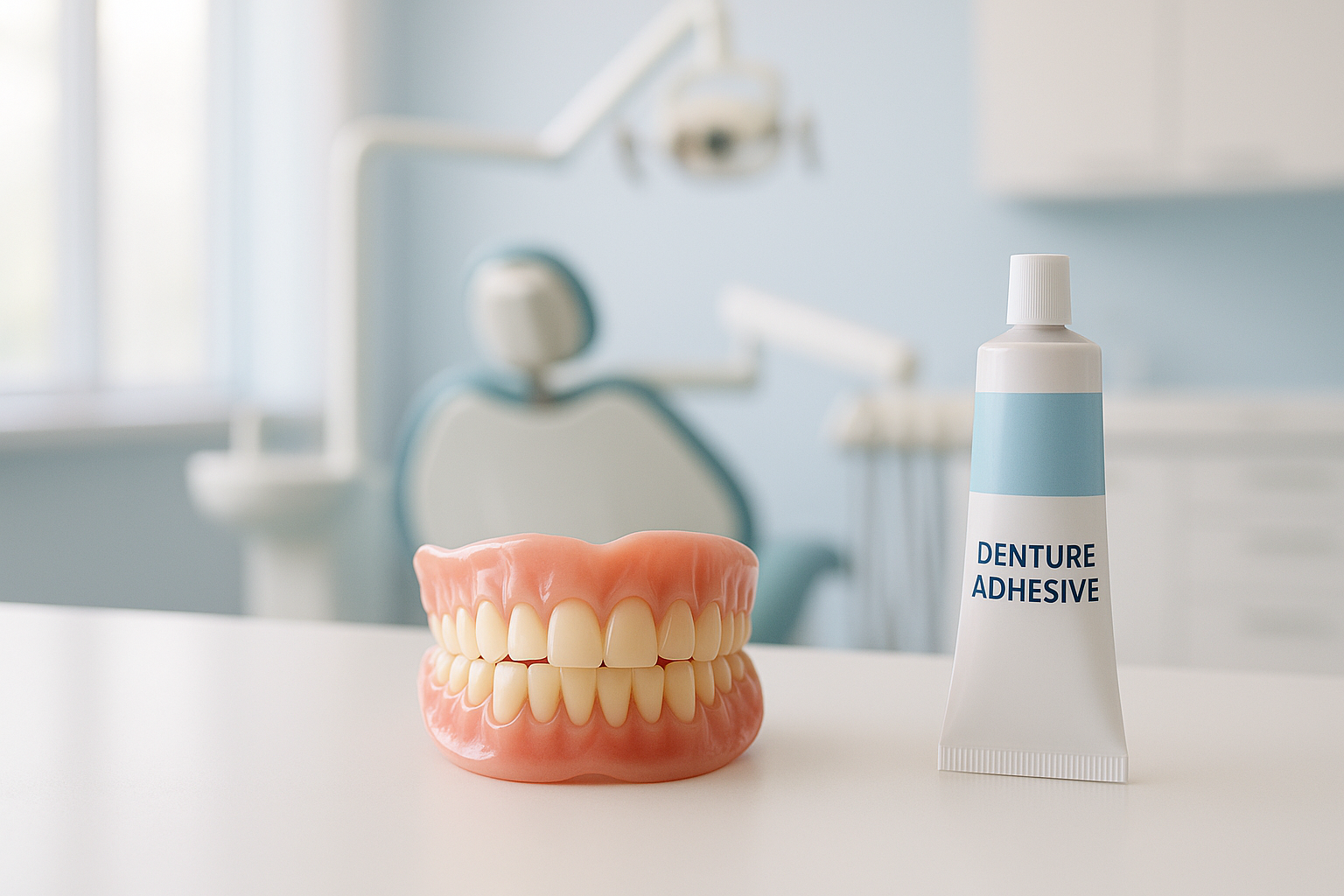
- Denture adhesives: Adhesives can temporarily stabilise loose dentures. They work by creating a seal between the dentures and your gums, improving suction and reducing movement. However, use them sparingly and only as a short-term fix. Overusing adhesives may contribute to bone loss over time.
- Cold compresses: Applying a cold compress to the outside of your mouth can help reduce swelling and ease pain. Use it for 10–15 minutes at a time, several times a day.
Keep in mind, these methods only address symptoms and won’t fix the underlying problem. If the discomfort persists, professional care is essential.
Professional Adjustments and Repairs
When at-home solutions aren’t enough, it’s time to visit your dentist. They can provide a range of options to improve the fit and comfort of your dentures:
- Dentist adjustments: Minor reshaping of the denture surface can often provide immediate relief from pressure points or discomfort.
- Soft relining: This involves adding a soft, cushion-like material to the tissue side of your dentures. It’s a temporary solution that can make them more comfortable for several months while you consider long-term fixes.
- Hard relining: In this process, the entire tissue surface of your dentures is replaced with new acrylic resin. This requires fresh impressions of your mouth and takes a few days to complete. A hard reline can extend the life of well-made dentures by another 2–3 years.
- Denture rebasing: If the pink acrylic base of your dentures no longer fits but the teeth are still in good shape, rebasing may be the answer. This involves replacing the entire base while keeping the existing teeth.
- Denture repairs: For minor cracks or chips, professional repair services can often fix the issue within a day. Avoid attempting DIY fixes with household adhesives, as these can cause permanent damage and pose health risks.
When to Replace Your Dentures
Most dentures last between 5 and 7 years. However, there are signs that it might be time for a replacement:
- Worn-down teeth surfaces: Over time, the teeth on your dentures can wear down, affecting your ability to chew and even altering your facial appearance. When this happens, relining won’t be enough to fix the problem.
- Bone loss: Significant changes to your jawbone can make it impossible for existing dentures to fit properly, no matter how many adjustments are made. In these cases, new dentures designed for your current jaw structure are necessary.
- Changes in oral health: Conditions like gum disease, the loss of remaining natural teeth, or other medical issues affecting your mouth may require a completely new approach to denture design.
Replacing dentures typically takes several appointments over 4–6 weeks. Modern materials and techniques can offer improved fit, comfort, and appearance compared to older dentures. For those looking for even more stability, implant-supported dentures may be an option. These not only provide a secure fit but can also help maintain your jawbone.
To avoid surprises, schedule regular dental check-ups every six months. This allows your dentist to monitor your dentures and alert you when replacement might be needed. Planning ahead can save you from emergencies and ensure a smoother transition to new dentures.
Getting Professional Help
While quick fixes at home might offer temporary relief, persistent denture issues call for professional care. Attempting DIY repairs can lead to permanent damage, so it’s crucial to consult a qualified dentist. They have the expertise and tools to pinpoint the underlying causes of your denture problems and provide effective, long-term solutions. Let’s delve into how professional dental care can address these concerns.
Dental Care for Denture Problems
When it comes to ill-fitting dentures, professional dental care offers a far more reliable solution than home remedies. Dentists can make precise adjustments to alleviate discomfort, often resolving minor issues during a single visit. For more complicated problems, your dentures might need to be sent to a specialised dental lab, ensuring the highest quality repairs.
Modern clinics, such as Complete Smiles Bella Vista, provide a full suite of restorative dentistry services, including denture adjustments, relining, and complete replacements. Under the guidance of Dr. James Hanna, the clinic employs advanced techniques to deliver precise and personalised care. Treatment plans here are tailored to fit your unique oral health needs and lifestyle.
One of the most advanced solutions available today is implant-supported dentures. If your dentures are persistently unstable, this option could be a game-changer. Implant-supported dentures use up to four titanium posts surgically placed in your jawbone to secure the dentures. Unlike traditional dentures that rely on adhesives or suction, this approach eliminates slippage entirely, allowing you to eat comfortably without dietary restrictions. Many existing dentures can even be converted to this system, offering improved stability and promoting better gum and bone health.
Professional care doesn’t just solve immediate problems – it also addresses underlying issues. Dentists can identify concerns like bone loss or gum disease that might be affecting your denture fit. Plus, they have access to modern materials and fabrication techniques that can greatly enhance the comfort and appearance of your dentures. Beyond repairs, they’ll help you take steps to prevent future issues.
Preventing Future Denture Issues
Regular six-month dental check-ups are essential for maintaining a proper denture fit. These appointments allow your dentist to monitor changes in your mouth and recommend timely adjustments or treatments. Staying proactive with these visits can prevent emergencies where your dentures become unwearable.
Daily denture care is a must to keep them in good shape and maintain oral health. Clean your dentures every night using a soft-bristled brush and denture-specific cleaning products. Avoid regular toothpaste, as it can be too abrasive and cause scratches that harbour bacteria. Soaking your dentures overnight in a cleaning solution can also help remove stubborn plaque and bacteria that brushing might miss.
Pay attention to any changes in how your dentures fit or function. Early signs like slight looseness or irritation are much easier to fix than waiting until the discomfort becomes severe or eating becomes difficult. Noting these changes and sharing them with your dentist can help identify patterns and underlying causes.
Bone health plays a vital role in preventing denture problems. Over time, your jawbone naturally shrinks when teeth are missing, which is why dentures that once fit perfectly may become loose. Maintain a diet rich in calcium and vitamin D, and engage in regular exercise to support overall bone health. Bone-preserving treatments may also help maintain jaw structure.
Finally, understanding the typical lifespan of dentures can help you plan ahead. Most dentures need to be replaced every 5-7 years, even with excellent care. Planning for this replacement cycle can save you from unexpected emergencies and allow you to budget accordingly. Your dentist can provide guidance on when a replacement might be necessary based on your specific situation and oral health changes.
Conclusion
Dealing with ill-fitting dentures doesn’t have to be a long-term struggle. If you notice ongoing gum pain or find your dentures slipping during everyday tasks, it’s a sign to act quickly. Catching these issues early can help you avoid more serious problems like pressure sores or ulcers.
While home remedies might offer some temporary relief, visiting a dentist promptly is key to getting the fit right and protecting your oral health. Regular dental check-ups play a big role in keeping your dentures comfortable and ensuring your mouth stays healthy over time.
FAQs
What are the signs that my dentures might be causing serious oral health problems?
Ill-fitting dentures aren’t just a source of discomfort – they can pose serious risks to your oral health. Common warning signs include ongoing inflammation, sores or ulcers on the gums, and persistent redness or swelling. Left unaddressed, these issues can lead to infections like denture stomatitis (inflammation beneath the dentures) or angular cheilitis (painful cracking at the corners of the mouth).
Over time, poorly fitting dentures may also cause tissue changes, potentially increasing the likelihood of more severe problems, such as oral cancer. If you spot any of these symptoms, it’s crucial to see your dentist as soon as possible. They can provide solutions like adjustments, relining, or even replacing your dentures to protect your health.
What can I do if my dentures keep slipping, even with adhesives?
If your dentures are slipping often, even with adhesive, it might be time to seek professional help. Options like denture relining or rebasing can adjust the base for a better fit. For a more stable and lasting fix, you might want to explore implant-supported dentures. These are secured to dental implants, offering improved comfort and stability.
Talking to your dentist is key to finding the right solution for your specific situation. Taking action quickly can not only enhance how your dentures function but also support your overall oral health.
How often should I visit the dentist to ensure my dentures fit comfortably?
To ensure your dentures fit well and feel comfortable, it’s a good idea to see your dentist every 6 to 12 months. These regular check-ups give your dentist the chance to evaluate how your dentures are sitting and address any concerns, like slipping, irritation, or changes in your mouth’s shape.
These appointments also play a key role in keeping your overall oral health in check. Your dentist can monitor the health of your gums and any remaining teeth. If you’re dealing with ongoing discomfort or notice that your dentures aren’t fitting properly anymore, don’t wait – book a visit sooner to avoid potential issues down the track.
Related Blog Posts
- 5 Early Signs of Gum Disease
- Common Problems with Fixed Retainers and Solutions
- Daily Care Tips for Implants, Bridges, and Dentures
- Factors Affecting Long-Term Implant Success
Important Notice: Any surgical or invasive procedure carries risks. Before proceeding, you should seek a second opinion from an appropriately qualified health practitioner.
Individual results may vary. The information provided in this article is for educational purposes only and does not constitute medical advice.
Checkout Related Blogs



Get in touch with us
For more information, call us now to start feeling better. Or fill the form below to make appointment
The Latest News from Complete Smiles
How to Clean Clear Plastic Retainers
Checklist for Choosing Wearable Dental Devices
Checklist for Choosing Cloud AI Platforms in Dentistry
Complete Smiles Bella VistaAccepts All Major Health Funds, Including