





Antioxidants and Periodontal Disease: What to Know
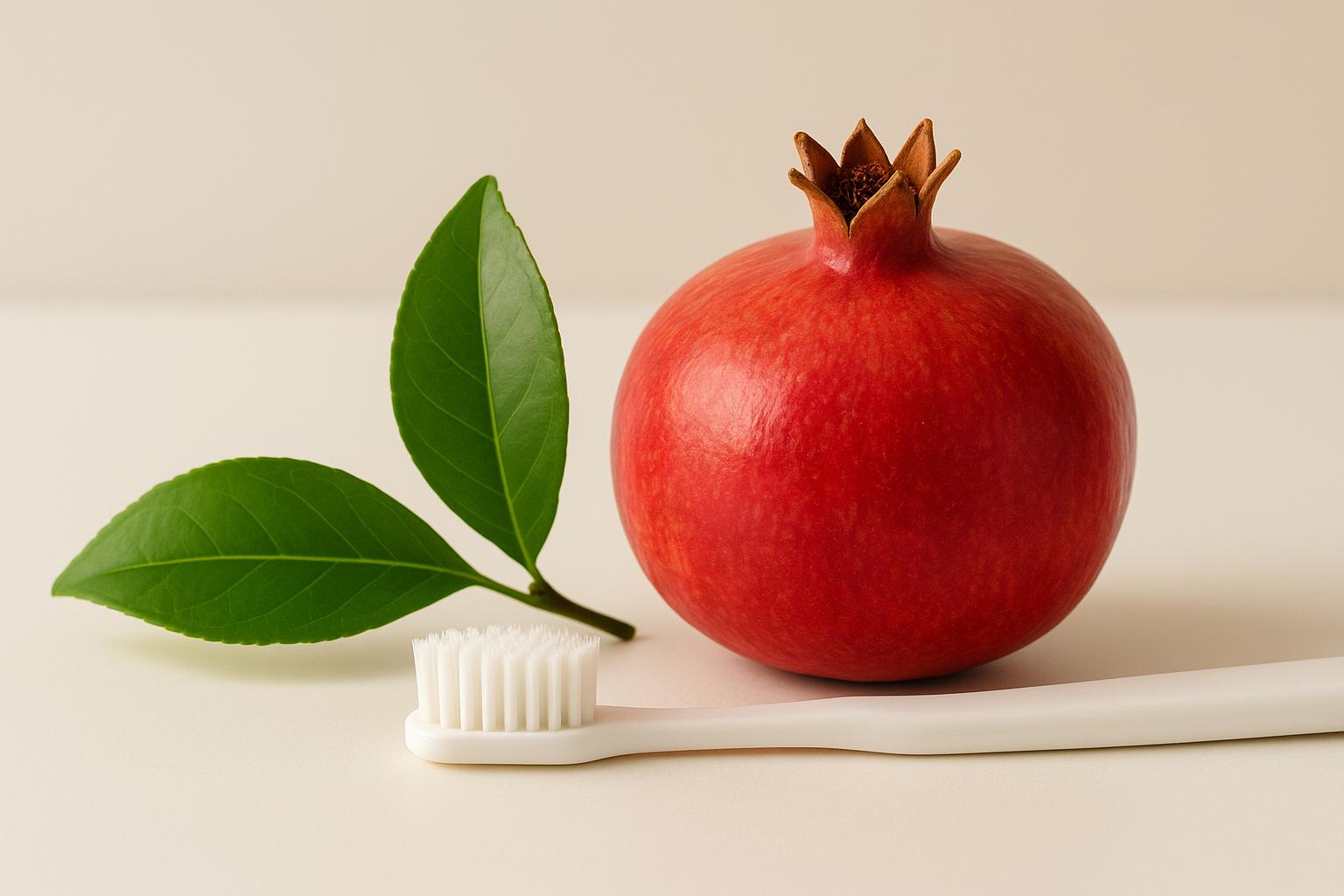
Antioxidants can help manage gum disease by reducing oxidative stress and inflammation. Gum disease, or periodontal disease, affects millions globally and is a leading cause of tooth loss. It’s linked to oxidative stress, which damages gum tissues. Antioxidants, like Vitamin C, CoQ10, and polyphenols, neutralise harmful molecules and support gum health.
Key Points:
- What causes gum disease? Poor oral hygiene leads to plaque buildup, inflammation, and tissue damage.
- Role of oxidative stress: Imbalance between reactive oxygen species (ROS) and antioxidants worsens gum damage.
- How antioxidants help: They reduce inflammation, fight harmful bacteria, and support tissue repair.
- Sources of antioxidants: Include citrus fruits, green tea, oily fish, and antioxidant-enriched oral care products.
Takeaway: Combining a nutrient-rich diet, antioxidant-based oral care, and professional dental advice can improve gum health and prevent further damage.
SUPPLEMENTS FOR ORAL HEALTH: HEAL YOUR GUMS FROM THE INSIDE OUT ????✨????
How Antioxidants Help Periodontal Health
Antioxidants play a crucial role in managing periodontal health by countering oxidative stress and reducing inflammation. These compounds go beyond their general protective benefits to specifically address the processes behind gum disease. By neutralising harmful free radicals and regulating inflammation, antioxidants help tackle the underlying causes of periodontal issues.
Reducing Gum Inflammation with Antioxidants
Antioxidants help ease gum inflammation in several ways. They target free radicals that activate inflammatory mediators like IL-1β and TNF-α. For example, flavonoids can inhibit NF-κB activation, while green tea polyphenols boost the activity of Nrf2-driven antioxidant enzymes [2]. Together, these actions help restore balance in gum tissues and strengthen local immune defences.
Supporting Immune Response in Periodontal Disease
Oxidative stress weakens gum immunity, but antioxidants step in to restore equilibrium. They reduce inflammatory markers and promote tissue repair. Take Vitamin C and glutathione, for example – both enhance immune function, while lactoferrin and specific probiotics add an antimicrobial layer of protection [3].
Research Evidence on Antioxidant Use
Scientific studies back up these benefits. A 2021 review highlighted that antioxidants like melatonin, resveratrol, omega-3 fatty acids combined with cranberry, propolis, and aloe vera gel improved gum health, particularly in individuals with type 2 diabetes. However, results vary, and standardising treatment protocols remains a challenge [2][1]. Similarly, a 2019 review suggested that adding antioxidant therapies to nonsurgical periodontal treatments could reduce gum inflammation and enhance clinical outcomes.
Important Antioxidants for Periodontal Health
Antioxidants play a crucial role in maintaining gum health by reducing inflammation and aiding tissue repair. Let’s take a closer look at how vitamin C, CoQ10, and polyphenols contribute to healthier gums.
Vitamin C and Gum Health
Vitamin C is essential for collagen production, which helps maintain the structural integrity of gum tissues. It also reduces inflammation and prevents gum bleeding. Some fruits, like gooseberries and kiwi, are especially rich in vitamin C [4].
"The present systematic review suggested that vitamin C contributes to a reduced risk of periodontal disease." – Akio Tada, Department of Health Science, Hyogo University [9]
In addition to citrus fruits, other excellent sources include broccoli, strawberries, pineapple, cherries, and even potatoes [4]. These foods make it easier to incorporate vitamin C into your daily diet.
Coenzyme Q10 (CoQ10) in Periodontal Therapy
CoQ10 is another antioxidant that supports gum health by aiding energy production at the cellular level and promoting tissue repair. Studies have shown that people with gum disease often have lower levels of CoQ10 in their gum tissues, and supplementation can help reduce inflammation [8].
"CoQ10’s role as an intercellular antioxidant helps neutralise these free radicals, reducing oxidative stress and minimising tissue damage." – Anne O. Rice, BS, RDH, CDP, FAAOSH [8]
Research backs the use of CoQ10 as a complementary therapy alongside traditional periodontal treatments. For instance, a 2015 study found that taking CoQ10 supplements in combination with scaling and root planing significantly reduced gum inflammation compared to conventional treatment alone [8]. A daily dose of 200 mg or more has been shown to improve plasma CoQ10 levels, which may enhance blood flow and nutrient delivery to the gums [8]. To naturally boost your CoQ10 intake, include foods like oily fish (salmon, tuna), organ meats (liver), and whole grains in your meals [7].
Polyphenols and Other Dietary Antioxidants
Polyphenols, found in a variety of plant-based foods, are known for their anti-inflammatory and antibacterial properties. These compounds can help combat the bacteria linked to gum disease [6]. Green tea, in particular, is a standout source of polyphenols like catechins, which have been associated with healthier gums. Studies show that regular green tea drinkers tend to have shallower gum pockets, less bleeding, and better attachment levels [4].
Other polyphenol-rich foods like parsley, blueberries, and even dark chocolate can also support gum health [4].
| Antioxidant | Dietary Sources | Benefits for Periodontal Health |
|---|---|---|
| Vitamin C | Gooseberry, broccoli, kiwi fruit, citrus fruits, strawberries, pineapple, cherries, potatoes [4] | Supports collagen production; reduces inflammation; strengthens immune response [4][6] |
| Coenzyme Q10 (CoQ10) | Oily fish (salmon, tuna), organ meats (liver), whole grains [7] | Minimises gum inflammation; promotes tissue healing [6] |
| Polyphenols | Green tea, parsley, onions, blueberries, bananas, citrus fruits, red wine, dark chocolate [4] | Reduces inflammation; fights harmful bacteria [6] |
Incorporating a wide range of antioxidant-rich foods into your diet can help protect your gum health and promote overall oral wellness.
sbb-itb-2be92ed
Adding Antioxidants to Your Oral Care Routine
Incorporating antioxidants into your daily oral care routine doesn’t have to be complicated. By combining a nutrient-rich diet, the right oral care products, and professional advice, you can help support and maintain healthy gums.
Dietary Sources of Antioxidants
Whole foods are a better source of antioxidants than supplements [12].
Adding antioxidant-packed foods like berries, citrus fruits, leafy greens, nuts, and dairy to your meals can benefit gum health [5][10][11]. Green tea, in particular, stands out due to its catechins, which have both antioxidant and anti-inflammatory properties [5]. Swapping one or two cups of coffee for green tea each day could provide extra benefits for your gums.
To get the most out of your diet, aim for a variety of colourful fruits and vegetables. This ensures you’re consuming a wide range of antioxidants [16]. Beyond dietary changes, targeted topical therapies can also enhance antioxidant support for your gums.
Topical and Additional Antioxidant Therapies
Dietary antioxidants are essential, but topical products can directly benefit your gums and oral tissues. Antioxidant-enriched toothpastes and mouthwashes, now widely available in Australia, are an excellent addition to your oral care routine.
PerioSciences, for example, has developed antioxidant toothpastes using naturally sourced ingredients. Their formulas combine trusted antibacterial properties with plant-based components like phloretin and ferulic acid, offering benefits such as freshening breath and soothing sensitive tissues. These toothpastes, which have been refined through over a decade of collaboration with dental professionals, are priced at $19.50 [14].
"Daily application of antioxidant products complements your body’s natural defences. The addition of antioxidants to your daily oral care regime promotes good oral health." – PerioSciences [14]
Topical antioxidants can improve hydration, encourage collagen and elastin production, reduce inflammation, and aid in tissue healing [15]. They are particularly beneficial after oral surgery. Dr. J. Kim, a periodontist, highlights their importance:
"The use of antioxidants to enhance and accelerate healing immediately after surgery is a new standard of care." [14]
When choosing oral care products with antioxidants, look for ingredients like vitamin C, vitamin E, or plant-based extracts to complement your regular toothpaste and mouthwash.
How Dental Professionals Guide Antioxidant Use
Dental professionals play a crucial role in helping patients maximise the benefits of antioxidants. They can assess your oral health, identify risk factors, and provide tailored recommendations based on your specific needs.
If you have inflamed, tender, or bleeding gums, your dentist or periodontist can evaluate whether factors like brushing habits, diet, or lifestyle are contributing to oxidative stress [16]. Catching gum disease early allows for more effective guidance on boosting antioxidant defences.
"Dr. Baroudi’s approach to periodontal care is rooted in patient education. She believes that understanding the role of antioxidants is a critical part of preventing, managing, and even reversing early-stage gum disease." [16]
Dental professionals may also suggest dietary changes or supplements if they detect deficiencies [16]. For example, at Complete Smiles Bella Vista, Dr. James Hanna and his team focus on providing personalised care that addresses both immediate treatment needs and long-term prevention strategies.
This is particularly relevant in Australia, where about 1 in 4 people are deficient in vitamin D [13]. Since vitamin D can affect how other antioxidants function, addressing deficiencies is vital. If you notice symptoms like bleeding gums, persistent bad breath, receding gums, loose teeth, or gum pain, seeking professional care is essential [16]. Early intervention, combined with antioxidant support, can help prevent more severe periodontal problems.
Finally, don’t skip your regular dental check-ups. Biannual cleanings and exams are critical [16], as they work hand-in-hand with antioxidant care to keep your gums in top condition.
Benefits and Limitations of Antioxidant Use
Antioxidants play a role in supporting periodontal health, but they aren’t a cure-all. Their effectiveness depends on factors like dosage, delivery method, and individual circumstances.
Comparing Antioxidant Approaches
Different ways of incorporating antioxidants into periodontal care come with their own pros and cons. Here’s a breakdown of the main approaches:
| Approach | Advantages | Limitations |
|---|---|---|
| Dietary Sources | Provides a natural mix of nutrients that work together synergistically | May not be sufficient for severe periodontal disease; requires consistent healthy eating habits |
| Topical Products | Delivers higher concentrations directly to the affected area | Effectiveness relies on proper formulation and regular use |
| Supplements | Allows precise dosing to address specific nutrient gaps | Overuse can lead to toxicity and negative side effects |
Dietary antioxidants can complement traditional periodontal treatments, topical products help target localised areas, and supplements ensure controlled nutrient intake – but they should be used carefully and under professional advice [1][4][18].
Current Research and Evidence Gaps
While the benefits of antioxidants in periodontal care are increasingly recognised, ongoing research is exploring their long-term safety and effectiveness. Antioxidants work by neutralising free radicals and reactive oxygen species, which are known to contribute to periodontal tissue damage [4]. For example, studies have shown that taking 4 mg of lycopene daily or using chicory leaf extract alongside nonsurgical therapy can improve clinical attachment levels and overall periodontal health [17].
However, there are still unanswered questions. Long-term effects remain uncertain [1], and factors like genetics, lifestyle habits (e.g., smoking), and conditions such as diabetes can all influence how well antioxidants work [1]. Bioavailability is another issue; some antioxidants, like glutathione, break down during digestion, which can limit their impact [1].
Overdoing it with isolated antioxidants can actually cause harm by promoting oxidative damage instead of preventing it, underscoring the importance of controlled doses and professional oversight [18].
The research comparing antioxidants to other treatments has been mixed. While some findings suggest that antioxidant supplementation may reduce periodontal damage more effectively than antibiotics [17], others emphasise that antioxidants should complement – not replace – established treatments like chlorhexidine [3]. Overall, current evidence suggests antioxidants are most effective when used alongside conventional periodontal therapies. More research is needed to refine recommendations on dosing and to identify which patients might benefit the most.
Conclusion: Antioxidants and Periodontal Health
Antioxidants present an exciting addition to traditional periodontal treatments. With periodontal disease impacting up to 90% of the global population and ranking as the 12th most common condition worldwide [19], exploring their role in gum health is more relevant than ever.
Research highlights that periodontal disease arises from an imbalance between harmful reactive oxygen species and the body’s natural antioxidant defences. Dietary antioxidants are crucial for oral health, influencing the management of periodontal disease and clinical outcomes [4]. When antioxidant levels in oral fluids are adequate, they help protect tissues from damage and support overall gum health. This connection makes a strong case for including antioxidant-rich foods in daily gum care routines.
Focusing on whole foods rather than supplements is often the best approach. A diet packed with antioxidants provides a range of benefits that work together to support gum health [4]. Flavonoids, for instance, play a key role in daily antioxidant intake [4], and whole foods deliver these nutrients in a natural, concentrated form [4]. That said, low-dose supplements may be an option if your diet falls short [18].
It’s essential to consider individual factors like genetics, lifestyle, and existing health conditions when using antioxidants for gum health. The effectiveness of antioxidants can vary widely depending on their bioavailability and dosage. Overdoing it with isolated antioxidants can actually cause harm – a phenomenon called the "antioxidant paradox" [18]. This reinforces the importance of a balanced approach, combining dietary choices with professional treatments for a well-rounded antioxidant defence.
While antioxidants can enhance periodontal care, they are not a substitute for proper oral hygiene, regular dental visits, or established treatments. Instead, they act as a valuable complement, improving overall outcomes when used thoughtfully. As research progresses, the focus remains on fine-tuning dosages, enhancing bioavailability, and tailoring treatments to individual needs to maximise benefits and minimise risks. Achieving optimal gum health requires a combination of professional care, a nutrient-rich diet, and smart antioxidant strategies.
FAQs
How do antioxidants support gum health and help manage periodontal disease?
Antioxidants are essential for keeping your gums healthy. They work by neutralising harmful free radicals, which can damage gum tissues, and help in reducing inflammation – a key factor in periodontal disease. Additionally, they support the healing and regeneration of gum tissue, making them a valuable ally in oral health.
Adding antioxidant-rich foods to your diet, like fruits, vegetables, and green tea, can be a simple way to enhance gum health. You might also consider using dental products that include antioxidants as part of your routine. For personalised recommendations, it’s always a good idea to consult your dentist to determine what’s best for your gums and overall oral care.
How can I include antioxidants in my daily oral care routine to support gum health?
Incorporating antioxidants into your oral care routine is a smart way to support gum health and reduce the risk of periodontal problems. Look for toothpaste that contains antioxidant-rich ingredients like CoQ10, Vitamin C, or green tea extract. These can work alongside your regular oral hygiene habits, such as brushing gently with a soft-bristled toothbrush and flossing every day, to keep your gums in good shape.
Your diet also plays a big role. Eating plenty of fruits, vegetables, nuts, and whole grains provides natural antioxidants that can benefit your oral health. By combining these dietary choices with consistent oral care, you’ll be taking a proactive approach to keeping your gums healthy and strong.
Are there any risks or drawbacks to using antioxidants for gum health?
While antioxidants are often praised for their role in supporting gum health, there are a few risks and limitations to keep in mind. For instance, taking high doses of certain antioxidants like vitamin E or beta-carotene has been linked to health concerns in specific groups, such as smokers. Additionally, excessive supplementation can sometimes interfere with other aspects of health, including exercise performance and the body’s natural gene functions.
For most people, the safest and most effective way to benefit from antioxidants is through a balanced diet that includes plenty of natural, antioxidant-rich foods. However, before starting any supplement regimen, it’s always a good idea to consult a healthcare professional or dentist, as individual needs and health conditions can vary widely.
Related Blog Posts
- Best Foods for Healthy Teeth: Dentist Recommendations
- The Role of Vitamins in Oral Health
- Salivary Tests for Early Detection of Gum Disease
- Oral Health and Heart Disease: The Connection
Important Notice: Any surgical or invasive procedure carries risks. Before proceeding, you should seek a second opinion from an appropriately qualified health practitioner.
Individual results may vary. The information provided in this article is for educational purposes only and does not constitute medical advice.
Checkout Related Blogs




Get in touch with us
For more information, call us now to start feeling better. Or fill the form below to make appointment
The Latest News from Complete Smiles
How to Clean Clear Plastic Retainers
Checklist for Choosing Wearable Dental Devices
Checklist for Choosing Cloud AI Platforms in Dentistry

Complete Smiles Bella VistaAccepts All Major Health Funds, Including





