





Aligner Fit: Biomechanics Behind Edge Design
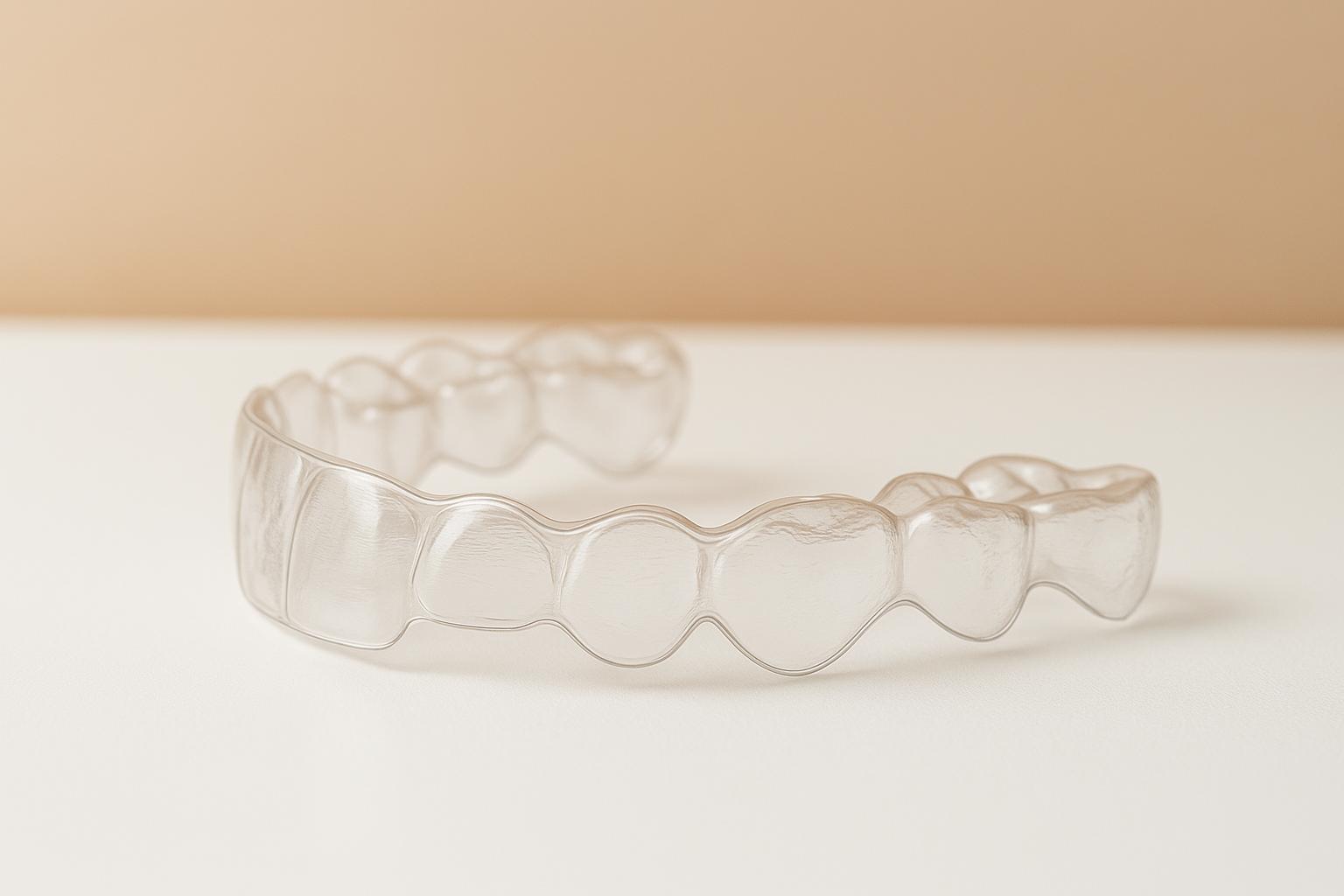
Clear aligners have transformed orthodontics in Australia, offering a discreet option compared to braces. A key factor in their effectiveness is trimline design – the way aligners are cut around teeth and gums. Trimlines impact:
- Force delivery: How well the aligner moves teeth.
- Retention: How securely the aligner stays in place.
- Comfort: How the aligner feels for the patient.
There are three main trimline designs:
- Straight Trimline: Extends slightly beyond the gumline, delivering strong forces and excellent retention but may cause mild gum irritation initially.
- Scalloped Trimline: Follows the gum’s natural shape for better comfort and aesthetics but offers less force and retention.
- Extended Margin Trimline: Covers more gum area for maximum force and retention, ideal for complex cases, though it may require an adjustment period for comfort.
Each design has trade-offs. Straight and extended designs are better for complex movements, while scalloped designs suit patients prioritising comfort. Choosing the right trimline depends on treatment goals and patient needs.
Which Aligner Trim-line is the Best?
1. Straight Trimline
The straight trimline design extends 2–3 millimetres beyond the gingival margin in a straight line, rather than following the natural scalloped contour of the gums. This slight extension increases contact with both the tooth and gum, improving grip and force application[1].
Biomechanical Performance
Straight trimline aligners deliver stronger and more consistent forces compared to scalloped designs. Studies using pressure-sensitive film reveal that these aligners generate higher active and passive pressures[3]. This translates into more reliable tooth movement, with forces distributed across critical areas such as the incisors, mesio-incisal, disto-incisal, middle, mesio-cervical, and disto-cervical regions[3]. The key advantage lies in the aligner’s ability to maintain steady contact with both the tooth and gingival tissues, ensuring uniform pressure distribution regardless of variations in gum anatomy. This consistency supports better aligner retention and effectiveness.
Retention and Stability
The extended margin of straight trimline aligners significantly boosts retention and stability, reducing the likelihood of the aligner becoming dislodged during everyday activities like talking, eating, or drinking[1]. By staying securely in place, these aligners ensure that the intended orthodontic forces are applied as planned. This feature is particularly beneficial for patients with short clinical crowns or complex tooth positions[1].
Research indicates that aligners with straight and extended trimlines offer improved retention, leading to more predictable clinical outcomes. This reliability can reduce the need for treatment adjustments, potentially shortening overall treatment times and minimising appointments – a benefit that resonates with many Australian patients. However, patient comfort remains a key factor to address.
Patient Comfort
While straight trimline aligners excel in biomechanical performance, their comfort level can vary. The extended gingival coverage may cause mild irritation initially, as the aligner material makes more contact with the gums[1]. Fortunately, most patients adapt quickly, and the improved fit often outweighs this temporary discomfort[1].
Clinical studies show that patients undergoing treatment for anterior intrusion and root torquing with straight trimline aligners report higher satisfaction levels, thanks to shorter treatment durations and better fit[1]. To optimise comfort, maintaining the recommended 2–3 millimetre extension is crucial; excessive coverage could increase the risk of irritation.
Australian clinics like Complete Smiles Bella Vista use advanced digital modelling to strike the right balance between effective mechanics and patient comfort, ensuring optimal outcomes for their patients.
2. Scalloped Trimline
The scalloped trimline takes a different approach compared to the straight design. While the straight trimline focuses on consistent force application, the scalloped version is all about comfort and a natural fit. Its design follows the gum’s natural contour, adjusting around each tooth for a more seamless appearance and feel.
Biomechanical Performance
Scalloped aligners apply gentler and more evenly distributed forces, making them ideal for treatments that require minimal force. However, they are less effective for complex movements like intrusion and root torquing due to their limited ability to generate the sustained, higher forces needed for such adjustments[1][2].
For cases involving mild crowding or minor rotations, scalloped aligners perform well while offering a high level of comfort[1]. The key is careful case selection – matching the aligner’s force capabilities with the treatment’s biomechanical demands is crucial. Because they deliver reduced force, these aligners shift the focus to retention and stability as critical factors in achieving the desired results.
Retention and Stability
Despite their comfort, scalloped trimlines often fall short in retention compared to straight or extended designs. Their curved, shorter edges provide less surface area to grip the teeth, which can lead to increased movement of the aligner during wear[1]. This reduced retention may become particularly noticeable during everyday activities like speaking, eating, or drinking.
Patients might experience occasional loosening of the aligner, which could compromise its ability to deliver the intended orthodontic forces. However, for individuals with specific gum shapes, scalloped designs can still offer adequate retention while maintaining their natural appearance.
Regular clinical monitoring is essential when using scalloped trimlines. Practitioners need to ensure that the reduced retention isn’t hindering treatment progress. If issues arise, adjustments to the aligner design can be made. Even with these challenges, the comfort they provide often makes them a preferred choice for certain patients.
Patient Comfort
One of the standout benefits of scalloped trimlines is the enhanced comfort they provide. The curved edges closely follow the gum line, significantly reducing irritation to the soft tissue[3]. This makes them a great option for patients with sensitive gums or those who have struggled with discomfort from straight trimlines.
The anatomical fit of the scalloped design ensures the aligner blends naturally with the gum contours, making it less noticeable during daily wear. For individuals with prominent gingival contours, this design minimises gum impingement, improving overall comfort and compliance[1].
Patients often find that reduced irritation leads to better adherence to wearing their aligners for the recommended duration. In Australian practices, where personalised care is a priority, scalloped designs are particularly valued for patients who prioritise comfort – provided treatment expectations are managed and progress is closely monitored.
sbb-itb-2be92ed
3. Extended Margin Trimline
The extended margin trimline goes beyond the gingival margin, covering a larger area of both the tooth and gum. This broader coverage increases the contact between the aligner and oral structures, which plays a crucial role in delivering orthodontic forces during treatment. While similar to the straight trimline in its goal of force optimisation, the extended margin design takes it a step further by amplifying surface contact.
Biomechanical Performance
Extended margin trimlines stand out in their ability to enhance force generation and control. By increasing the contact area, they provide more precise management of complex dental movements like intrusion, translation, tipping, and root torquing[1]. Research using pressure-sensitive film and finite element analysis has shown that these trimlines exert intensified pressure on teeth, concentrating force on critical areas such as the incisors and cervical regions[3]. This improved force distribution allows for more predictable outcomes, reducing the likelihood of mid-course adjustments and giving practitioners greater confidence in achieving desired results[1].
Retention and Stability
The extended margin design also excels in retention. By covering more of the gingival area, it creates a snug fit that minimises aligner displacement during daily wear[1]. This enhanced stability is especially beneficial for cases requiring strong anchorage or for patients with more complex dental anatomies. For Australian orthodontists managing intricate cases, this feature is invaluable in maintaining treatment precision and consistency.
Patient Comfort
While the biomechanical and retention benefits are clear, extended margin designs can initially pose some comfort challenges. The extra coverage over the gums may cause slight discomfort, such as mild irritation or soreness, especially during the early stages of wear[1]. Some patients may also find insertion and removal a bit more challenging at first. However, with proper guidance and adjustments, most patients adapt quickly. Clinics like Complete Smiles Bella Vista (https://completesmilesbv.com.au) focus on personalised care, ensuring that patients understand the benefits of this design and receive the support needed to adjust comfortably. Over time, the improved fit and stability tend to outweigh the initial discomfort.
| Aspect | Extended Margin Performance |
|---|---|
| Force Delivery | Highest among all trimline designs |
| Retention | Superior – tightest fit |
| Initial Comfort | May require an adaptation period |
| Applications | Complex movements requiring high control |
Advantages and Disadvantages
Orthodontists face the challenge of balancing force delivery, retention, and patient comfort when choosing a trimline design. Each option comes with its own set of trade-offs, requiring careful consideration of both biomechanical performance and the patient experience.
Straight trimlines provide strong active forces and excellent retention. Their extended coverage ensures aligners stay securely in place throughout treatment, reducing the likelihood of adjustments mid-treatment. However, this design may cause initial discomfort as patients adjust to the aligners due to the greater surface area in contact with the gums.
On the other hand, scalloped trimlines prioritise comfort by closely following the natural contours of the gumline. This design is particularly suited for patients with sensitive gums or those new to aligner therapy. Scalloped edges also offer a more natural appearance, which can be appealing in social settings. However, the trade-off is a reduction in force delivery and retention, potentially compromising the predictability of certain tooth movements[1][3].
Extended margin designs stand out for their superior biomechanical performance. Studies using pressure-sensitive film and finite element analysis reveal that these trimlines exert the highest force concentrations, particularly on incisors and cervical regions[3]. This makes them ideal for achieving predictable outcomes and potentially reducing treatment time. The downside? Their extensive gingival coverage can lead to initial soreness and a longer adjustment period, as well as some difficulty with inserting and removing the aligners.
| Design Feature | Straight Trimline | Scalloped Trimline | Extended Margin |
|---|---|---|---|
| Force Delivery | High | Lower | Highest |
| Retention | High | Lower | Superior |
| Initial Comfort | Moderate | High | Adaptation needed |
| Treatment Predictability | Good | May be compromised | Excellent |
| Best Applications | General movements | Comfort-sensitive patients | Complex movements |
| Gum Irritation Risk | Moderate | Minimal | Higher initially |
The choice of trimline often depends on the specific clinical needs and patient preferences. For cases requiring maximum retention and force delivery – such as movements like intrusion or root torquing – straight or extended margin trimlines are the most effective options[1]. Meanwhile, patients prioritising comfort and aesthetics may find scalloped designs more appealing, though clinicians should monitor their progress closely to ensure the treatment stays on track.
Conclusion
The analysis of aligner edge designs highlights that trimline selection should be tailored to each individual case. Whether straight, scalloped, or extended margin, each design offers distinct benefits that need to be carefully balanced with clinical goals and patient-specific needs.
Research shows that straight and extended trimlines generate higher active and passive forces, with greater edge extensions correlating to increased force output [1][3]. These designs are particularly effective for complex tooth movements like intrusion, translation, tipping, and root torquing, where precise biomechanical control is essential [1].
However, patient comfort and aesthetics are just as critical to treatment success. Scalloped trimlines, while delivering less force, can improve comfort for patients with sensitive gums or those seeking a more discreet appearance during treatment. This makes them a valuable choice in cases where aesthetics and comfort take priority.
Ultimately, trimline design should be customised based on the specific tooth movements required for each case [1]. Extended trimlines, for example, may reduce the need for treatment revisions, potentially shortening overall treatment time and improving patient satisfaction [1]. This tailored, evidence-based approach marks a significant step forward in clear aligner therapy.
Looking ahead, advancements are likely to focus on integrating various aligner design elements, such as the interplay between trimline styles, aligner materials, and attachment placements [1]. These innovations hold the potential to further refine personalised aligner treatments in Australia.
Specialist practices like Complete Smiles Bella Vista exemplify the application of these insights. Under the guidance of Dr. James Hanna, they leverage evidence-based protocols and advanced digital treatment planning to customise aligner designs. This ensures a precise fit, enhanced comfort, and efficient treatment outcomes tailored to each patient’s unique needs.
The future of clear aligner therapy lies in this precision-driven approach, where a deep understanding of biomechanics informs clinical decisions. This combination of scientific rigour and individualised care is shaping modern orthodontics, delivering more predictable results and improving the overall patient experience.
FAQs
How can I choose the right trimline design for my clear aligners?
The way clear aligners are trimmed significantly impacts how they fit, feel, and perform. The ideal trimline design for you depends on several factors, including your orthodontic needs, the contours of your teeth and gums, and the specific movements required to meet your treatment goals.
During your consultation, your dentist or orthodontist will evaluate these aspects and suggest a trimline design tailored to maximise both comfort and effectiveness. Trusting their expertise ensures the best outcome for your unique situation.
What challenges or discomforts might arise from different clear aligner edge designs?
Clear aligners come with different edge designs, like scalloped or straight trimlines, and these can influence both how they feel and how well they fit. Scalloped edges are shaped to follow the gumline, which can make them feel smoother and more comfortable to wear. However, they might not grip as firmly, which could slightly impact how effectively they move your teeth. In contrast, straight trimlines extend a little past the gumline, providing stronger retention and better force for tooth movement. The downside? They might irritate the soft tissues a bit more.
If your aligners are causing discomfort, it’s a good idea to bring it up with your orthodontist. They can suggest adjustments or solutions to help make your treatment more comfortable.
How does the trimline design of clear aligners influence treatment time and effectiveness?
The design of the trimline in clear aligners plays a key role in how well they fit and function. A straight trimline, which closely follows the gumline, often offers a snugger fit. This is because it takes advantage of the natural retention provided by your teeth and gums. On the flip side, a scalloped trimline, shaped to mimic the contour of the gums, can enhance comfort but might need extra attachments to maintain the same level of control.
Trimline design can also influence how long your treatment takes. Aligners with trimlines engineered for effective force distribution may move teeth more efficiently, potentially reducing treatment time. Ultimately, the best trimline for your aligners will depend on your specific treatment plan and the guidance of your orthodontist or dentist.
Related Blog Posts
- How Material Composition Affects Clear Aligner Performance
- Orthodontic Force Measurement: Why Accuracy Matters
- Ergonomic Handle Design: Benefits for Dental Practitioners
- Advances in Orthodontic Pain Management Techniques
Important Notice: Any surgical or invasive procedure carries risks. Before proceeding, you should seek a second opinion from an appropriately qualified health practitioner.
Individual results may vary. The information provided in this article is for educational purposes only and does not constitute medical advice.
Checkout Related Blogs




Get in touch with us
For more information, call us now to start feeling better. Or fill the form below to make appointment
The Latest News from Complete Smiles
How to Clean Clear Plastic Retainers
Checklist for Choosing Wearable Dental Devices
Checklist for Choosing Cloud AI Platforms in Dentistry

Complete Smiles Bella VistaAccepts All Major Health Funds, Including





