





Top 5 Mistakes in Manual Toothbrushing

Think you’re brushing your teeth correctly? You might need to think again.
Even with good intentions, many Australians make common toothbrushing mistakes that can harm their teeth and gums. From using the wrong toothbrush to brushing too hard, these errors can lead to gum recession, plaque buildup, and tooth sensitivity. The good news is that small changes can make a big difference.
Here are the top 5 mistakes to avoid:
- Using the wrong toothbrush: Hard or medium bristles can damage enamel and gums. Stick to soft-bristled brushes with a head that fits your mouth comfortably.
- Brushing too hard: Gentle pressure is enough – scrubbing harder can harm gums and wear down enamel.
- Not brushing long enough: Dentists recommend brushing for two minutes, but most people only spend 45 seconds.
- Poor technique: Use small circular motions at a 45-degree angle to your gumline for effective cleaning.
- Keeping toothbrushes too long: Replace your toothbrush every three months or sooner if bristles are worn.
These simple adjustments can protect your teeth and gums while improving your oral hygiene.
Most Common Toothbrushing Mistakes
1. Choosing the Wrong Toothbrush
Strolling through the oral care aisle at Woolworths or Coles, it’s easy to feel overwhelmed by the sheer variety of toothbrushes promising everything from "deep cleaning" to "whitening power." But picking the wrong toothbrush can actually harm your oral health. Let’s break down what to look for – and what to avoid.
One of the most common mistakes is opting for hard or medium-bristled toothbrushes. While they might seem like a good idea for a thorough clean, these bristles can damage your enamel and irritate your gums. Over time, this can lead to gum recession, exposing sensitive root surfaces and increasing the risk of discomfort and decay.
Dental professionals, including the Australian Dental Association, typically recommend soft-bristled toothbrushes. These are gentle on your gums and enamel but still effective at removing plaque and bacteria. The flexible bristles can navigate tight spaces between teeth and along the gum line without causing unnecessary wear or trauma. When choosing a toothbrush, aim for soft bristles, a head that comfortably fits the contours of your mouth, and a handle that offers a secure grip.
The size of the toothbrush head plays a big role too. A head that’s too large can struggle to reach areas like the back molars or the inner surfaces of your teeth, potentially leaving plaque behind in those tricky spots.
Don’t overlook the handle design either. A toothbrush with a comfortable, textured grip gives you better control, helping you brush effectively and thoroughly.
Keep it simple: choose soft bristles, a head that fits well, and a handle that feels secure in your hand. These basics can go a long way in supporting your oral hygiene.
2. Applying Too Much Pressure
It’s a common misconception among Australians that scrubbing harder while brushing leads to cleaner teeth. Dr Peter Alldritt, chairman of the Australian Dental Association’s oral health committee, clears up this myth:
"People think the harder you brush, the better you’re going to clean that plaque off. But plaque is actually soft."
In fact, brushing too hard can harm both your teeth and gums. As Dr Alldritt puts it:
"People can literally kill their teeth with kindness."
Signs You’re Brushing Too Hard
Your toothbrush and gums often reveal if you’re going overboard. A well-maintained toothbrush should hold its shape for several months, with bristles staying upright and rounded. If you notice the bristles fanning out, bending, or flattening within just a few weeks, it’s a clear sign you’re applying too much force.
Your gums may also send you warning signals. Receding gums are a major clue, as excessive pressure can wear away gum tissue, exposing sensitive root surfaces. This can result in sharp discomfort when enjoying hot drinks or cold treats.
Other signs include bleeding gums during brushing or flossing, increased tooth sensitivity, and dull or darkened areas near the gum line, where recession exposes the roots.
Finding the Right Pressure
The good news? Proper brushing doesn’t require much pressure at all. You only need enough force to feel the bristles lightly rubbing against your teeth. The bristles should stay upright and not appear squashed, and you shouldn’t feel the brush head pressing into your teeth or gums.
A simple tip: hold your toothbrush with your fingertips instead of gripping it with your whole hand. This naturally reduces the pressure and helps you avoid aggressive scrubbing. Position the brush at a 45-degree angle to your gum line and use gentle, short strokes or small circular motions.
If controlling pressure feels tricky, an electric toothbrush might be a great solution. Many models, such as some Sonicare brushes, come with built-in pressure sensors that alert you when you’re pressing too hard. With these brushes, there’s no need to apply any pressure – just let the bristles do the work as they move automatically.
3. Brushing for Too Short a Time
Did you know the average Australian spends only about 45 seconds brushing their teeth? That’s less than half the time dentists recommend [2]. This quick brushing habit often leaves behind plaque and bacteria, which can lead to oral health problems.
Studies show that brushing for two minutes removes 26% more plaque than brushing for just 45 seconds [2]. Stretch that to the full two minutes, and you’ll clear 41% more plaque compared to a one-minute brush [3].
Dr Richard Hunsinger Jr. puts it simply:
"Brushing for two minutes is especially important, as any less, and you’re probably not hitting all the surfaces of your teeth."
The takeaway? Two minutes isn’t just a suggestion – it’s the time you need for a proper clean.
Why Two Minutes Matters
Two minutes might not seem like a long time, but it’s enough to cover all the critical areas: your teeth, gums, tongue, and even your cheeks. Skimping on time means you’re likely missing those tricky spots where bacteria like to hide. Over time, this can lead to cavities, tooth decay, and gum disease.
Making Two Minutes Work
If brushing for two full minutes feels like a stretch, try breaking it down into manageable chunks. Divide your mouth into four sections – upper left, upper right, lower left, and lower right – and spend 30 seconds on each. A timer or a brushing app can help you stay on track.
Electric toothbrushes are a great tool for this. Basic models with timers can cost as little as $5, while more advanced options can go up to $400. If you’re looking for a balance, mid-range models around $40 often include helpful timing features.
For parents, keeping kids engaged for the full two minutes can be a challenge, but it’s not impossible. Try playing their favourite two-minute song or using a fun, interactive brushing app. Kids often mimic what they see, so brushing together and making it fun can help them build good habits that stick.
sbb-itb-2be92ed
4. Using Poor Brushing Technique
Having the right toothbrush and applying the correct pressure are important, but without proper technique, your efforts may fall short. Even if you’re brushing for the recommended two minutes, poor habits can undermine your oral hygiene. Unfortunately, many Australians unknowingly use brushing methods that can harm their teeth and gums.
One of the most common errors? Brushing too hard. Vigorous back-and-forth scrubbing doesn’t just fail to remove plaque effectively – it can push it along the gumline, wear down enamel, and increase the risk of gum recession.
The 45-Degree Rule
The foundation of good brushing technique is all about the angle. Your toothbrush should be positioned at a 45-degree angle to your gumline, with the bristles pointing towards where your teeth meet your gums [4][6]. Why? This angle ensures the bristles clean along the gum margin, where plaque and bacteria love to hide. This is also where gum disease often begins. Think of it as targeting those hard-to-reach spots that straight-on brushing misses.
Master the Motion
Forget the aggressive scrubbing. Instead, focus on small, circular or elliptical motions. When paired with the 45-degree angle, this technique effectively removes plaque and debris from your gumline, between teeth, and from the grooves of your teeth [4][5][7]. The key is to clean one section at a time, ensuring thorough coverage.
Here’s how to adjust your technique for different surfaces:
- Outer and inner surfaces: Stick to gentle, circular motions. For the inner surfaces of your front teeth, hold the brush vertically and use short, up-and-down strokes to navigate the curved areas [8].
- Chewing surfaces: Use short, back-and-forth scrubbing motions to clean out food particles from the pits and grooves where food tends to get stuck [8][10].
These small changes can make a big difference, protecting both your enamel and gum health.
The Areas You’re Probably Missing
Even with the right technique, certain areas are easy to overlook. Commonly missed spots include the gumline, inner surfaces, back molars, and chewing surfaces [8][9][10][11][12][13]. Wisdom teeth, if you have them, are particularly tricky to clean and can become a breeding ground for bacteria.
Another challenge? The spaces between your teeth. Even the best brushing technique won’t reach these tight gaps [10][12][13]. That’s why daily flossing or using interdental brushes is non-negotiable if you want a truly clean mouth.
To make sure you’re covering everything, divide your mouth into four sections – upper right, upper left, lower right, and lower left. Spend at least 30 seconds on each section, carefully cleaning all surfaces: those facing your cheeks, those facing your tongue or palate, and the chewing surfaces [10][13]. This systematic approach ensures no spot gets overlooked.
Using a soft-bristled toothbrush with a small head can make proper technique easier, especially when reaching tricky areas like your back molars [8][9][11]. A smaller head provides better control and access, while soft bristles are gentle on your gums when paired with the correct 45-degree angle and circular motions.
5. Keeping Toothbrushes Too Long
Using the right technique is important, but it won’t matter much if your toothbrush isn’t in good shape. Surprisingly, many Australians hold onto their toothbrushes far longer than they should. While this might seem harmless, it can undo all your efforts to maintain proper oral hygiene, even if your brushing technique is spot on.
The rule of thumb? Replace your toothbrush every three months. Research shows that after about 12 weeks of use, toothbrush bristles start to wear out. They fray, bend, and lose their original shape, turning your once-effective cleaning tool into something as useful as an old, worn broom.
Why Worn Bristles Are a Problem
When bristles lose their shape, they can’t clean your teeth and gums properly. Instead of removing plaque, they tend to glide over it, leaving behind what you’re trying to get rid of. Techniques like the 45-degree angle brushing method become almost impossible to perform when your bristles are bent and splayed.
Even worse, damaged bristles can harm your gums. Over time, they become more abrasive and can irritate your gums, potentially leading to gum recession. This makes replacing your toothbrush on time not just a good practice but a necessary one.
Exceptions to the Three-Month Rule
While three months is a general guideline, there are times when you’ll need to replace your toothbrush sooner. Have you recently had a cold, flu, or any oral infection? If so, swap out your toothbrush as soon as you’re better, as germs can linger on the bristles. Also, if you notice your toothbrush looking worn out or bristles changing colour before the three-month mark, don’t wait – replace it immediately.
The Cost of Holding Onto Old Toothbrushes
Hanging onto an old toothbrush might feel like a way to save money, but it’s a false economy. A decent toothbrush costs between $3 and $8, but sticking with a worn one can lead to poor plaque removal and tartar buildup. Over time, this can result in costly dental treatments for issues like gum disease or tooth decay.
Replacing your toothbrush every three months is a small expense that can save you from larger dental bills down the road. Set a reminder on your phone or jot it down on your calendar – it’s a simple habit that makes a big difference. After all, no brushing technique can make up for a toothbrush that’s past its prime. Keep it fresh, and your teeth will thank you!
Professional Dental Care Support
Even with the best intentions, mastering manual toothbrushing can be tricky. That’s where professional dental care comes in, offering personalised advice that goes far beyond what you’ll find on toothpaste boxes or online tutorials.
During routine check-ups, dental professionals evaluate your brushing technique and pinpoint areas that might need extra attention. For instance, they can identify spots you frequently miss and suggest brushing techniques tailored to your specific oral health needs, like the Modified Bass method for receding gums or special angles for those with orthodontic appliances or sensitive teeth [14][15]. This one-on-one guidance addresses common brushing mistakes, ensuring your efforts are more effective.
For those with unique dental conditions – such as limited dexterity or specific oral health concerns – your dentist can also recommend a toothbrush that’s just right for you. After all, what works for someone else might not suit your needs [8][14].
Professional advice doesn’t stop there. Dentists can customise fluoride use, brushing frequency, and even pressure application based on factors like your age and risk profile. They can also help you spot and correct habits like over-brushing before they cause long-term damage. With their ongoing support, you’ll be better equipped to build and maintain healthier oral care habits [1].
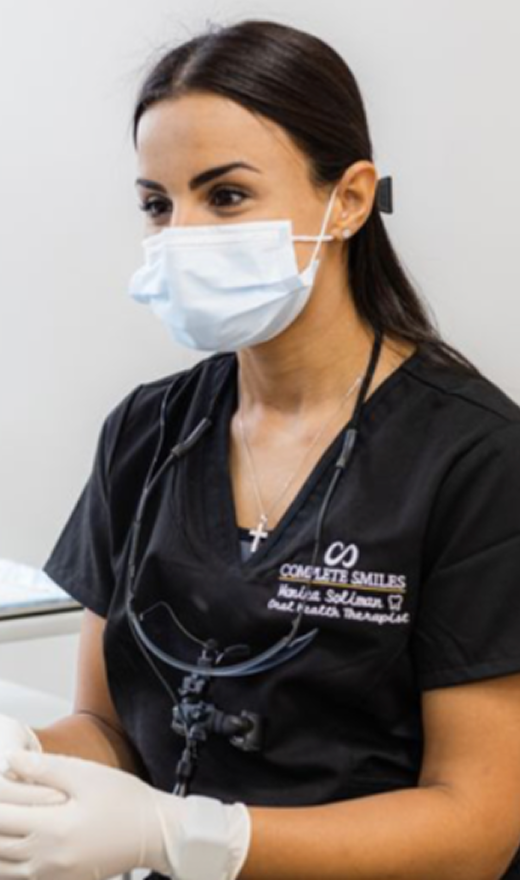
For tailored oral hygiene consultations, Complete Smiles Bella Vista offers expert advice to enhance your preventive care routine. With professional oversight, your daily oral care can become more effective and sustainable over time.
Conclusion
Improving your oral health doesn’t require a complete overhaul – just a few simple tweaks to your daily brushing routine can make all the difference. Start with a soft-bristled toothbrush, apply light pressure, brush for two minutes using the right technique, and make sure to swap out your toothbrush every three to four months. These small changes can have a big impact on protecting your teeth and gums.
For instance, swapping aggressive scrubbing for gentle circular motions not only helps remove plaque but also safeguards your enamel. Adding an extra 30 to 60 seconds to your brushing time ensures you’re covering every tooth surface thoroughly.
Remember, consistency is key. Brushing gently for two minutes twice a day is far more effective – and safer for your teeth – than sporadic, vigorous brushing sessions. A steady, mindful routine is your best bet for long-term oral health.
If you’re looking to fine-tune your technique even further, don’t hesitate to seek advice from a dental professional. They can observe your habits, pinpoint areas for improvement, and offer tailored recommendations to suit your specific needs. Spending a little time perfecting your brushing now could save you from more complicated dental issues in the future.
FAQs
Why should I use a soft-bristled toothbrush instead of a hard one?
Using a soft-bristled toothbrush is a kinder choice for your teeth and gums. It helps protect your enamel and lowers the chances of gum recession or sensitivity. While hard-bristled brushes might feel like they clean better, they can actually scrape and irritate the delicate tissues in your mouth.
Soft bristles are crafted to clean thoroughly without causing harm, making them an ideal option for keeping your smile healthy and your mouth comfortable.
What’s the best way to make sure I brush for the full two minutes?
To hit the recommended two-minute brushing mark, split your mouth into four sections: upper right, upper left, lower right, and lower left. Spend about 30 seconds on each section. If keeping track feels tricky, try using a timer or play a two-minute song – it’s a simple way to stay on track.
For kids, turn brushing into a fun activity. Use cheerful songs, interactive apps, or even make it a family routine by brushing together. Leading by example not only makes it more enjoyable but also helps everyone stick to the proper brushing time.
How can I tell if I’m brushing my teeth too hard?
Brushing your teeth too aggressively can lead to some noticeable problems. Signs to watch out for include bleeding gums, heightened tooth sensitivity, and receding gums. Another clue? Your toothbrush bristles might start looking worn out or frayed much faster than they should.
If these issues sound familiar, switching to a toothbrush with soft bristles and being gentler during brushing can help safeguard your teeth and gums. However, if the symptoms continue, it’s wise to visit your dentist for tailored advice. They can guide you on the best way to care for your oral health.
Related Blog Posts
- How Smart Toothbrushes Improve Oral Hygiene
- Ultimate Guide to Oral Hygiene Maintenance
- Checklist for Baby Teeth Care: Ages 0-5
- Year-Round Oral Hygiene: Seasonal Adjustments
Important Notice: Any surgical or invasive procedure carries risks. Before proceeding, you should seek a second opinion from an appropriately qualified health practitioner.
Individual results may vary. The information provided in this article is for educational purposes only and does not constitute medical advice.
Checkout Related Blogs




Get in touch with us
For more information, call us now to start feeling better. Or fill the form below to make appointment
The Latest News from Complete Smiles
How to Clean Clear Plastic Retainers
Checklist for Choosing Wearable Dental Devices
Checklist for Choosing Cloud AI Platforms in Dentistry
Complete Smiles Bella VistaAccepts All Major Health Funds, Including





