





Soft Tissue Grafting: Indications Explained
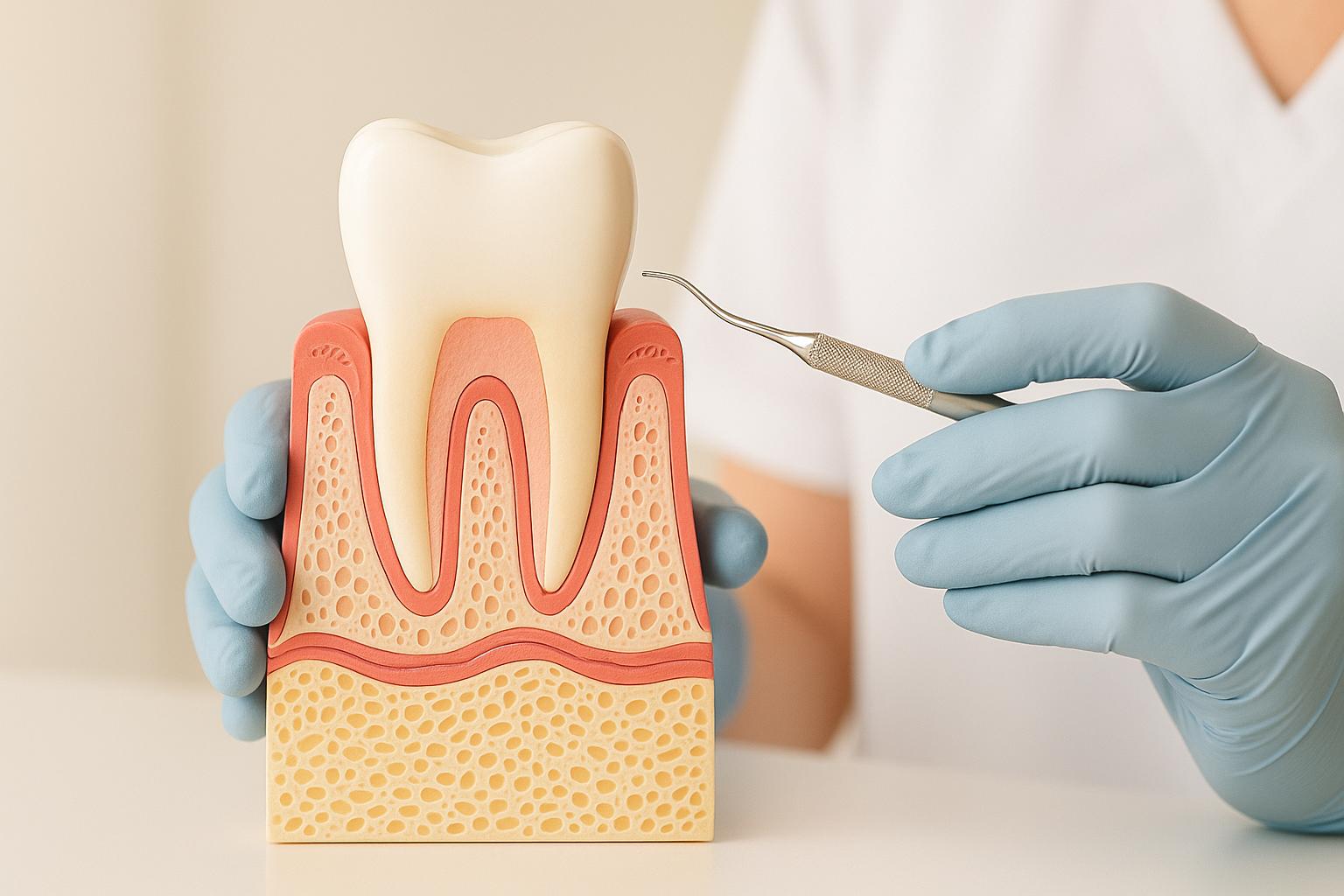
Soft tissue grafting is a surgical dental procedure designed to address gum recession, exposed tooth roots, and related oral health issues. It involves transplanting healthy gum tissue to areas where gums have receded or thinned, improving both function and appearance. Here’s what you need to know:
- Purpose: Protects exposed roots, reduces sensitivity, and prevents further gum loss.
- Common Causes of Gum Recession: Periodontal disease, aggressive brushing, trauma, ageing, or improper tooth alignment.
- Techniques Used: Includes connective-tissue grafts, free gingival grafts, and pedicle grafts. Tissue from the patient or donor sources may be used.
- Clinical Benefits: Supports dental implants, improves gum health, and enhances smile aesthetics.
- Recovery: Most patients heal within 1–2 weeks; full recovery takes up to 3 months with proper aftercare.
Soft tissue grafting is highly effective, with success rates over 90%. It not only restores gum health but also prevents further complications like tooth loss or decay. If you’re dealing with gum recession or planning dental implants, consult your dentist to explore whether this procedure is right for you.
Gum Grafts Explained
What is Soft Tissue Grafting?
Soft tissue grafting is a dental procedure where healthy gum tissue is transplanted from one part of your mouth to another. This technique helps repair areas where gum tissue has been lost or damaged, improving both the health and appearance of your gums [5]. By integrating the transplanted tissue with the existing gum, the procedure strengthens the foundation of your gums and restores their functionality.
Gum recession, which exposes the sensitive roots of teeth, can occur for various reasons, including periodontal disease, trauma, ageing, over-brushing, or improper tooth alignment [9].
Purpose of Soft Tissue Grafting
The primary aim of soft tissue grafting is to address gum recession by covering exposed tooth roots or thickening the existing gum tissue to prevent further loss [9]. Beyond reducing tooth sensitivity, the procedure helps guard against infections and inflammation. It also restores the gum line, which is essential for preventing future gum disease [1], and contributes to a more natural and appealing smile [12].
For individuals receiving dental implants, this procedure ensures there is adequate gum tissue to support the implant, which is vital for its success [1]. Additionally, it can help shape the gum line in areas where teeth are missing, improving overall aesthetics [10].
How the Process Works
Soft tissue grafting typically involves two key steps: preparing the donor site and the area where the graft will be placed [12]. The approach used depends on your specific needs and the amount of tissue required.
Here are some common techniques:
- Connective-tissue grafts: Tissue is taken from beneath the surface of the palate and attached to the area with gum recession.
- Free gingival grafts: A small piece of tissue is removed from the palate and placed to add thickness to the gum.
- Pedicle grafts: Nearby gum tissue is repositioned to cover the affected area [4].
In some cases, dentists may use graft material from tissue banks instead of harvesting it from the palate [4]. Additionally, advanced methods like tissue-stimulating proteins or platelet-rich fibrin (PRF) may be applied to encourage natural tissue growth and speed up healing [4][12].
The procedure is usually performed under local anaesthesia, though sedation or general anaesthesia may be used for more complex cases or patient comfort [5]. Significant healing and gum uniformity typically occur within six weeks [9].
Soft tissue grafting can be done as a standalone treatment or combined with other procedures, such as bone grafting, to address multiple oral health concerns at once [5]. This process not only restores gum health but also supports a variety of dental treatments.
Clinical Indications for Soft Tissue Grafting
Soft tissue grafting offers targeted solutions for specific oral health challenges, particularly where gum tissue loss or deficiency jeopardises dental health. Recognising these clinical scenarios is key to ensuring timely intervention and better outcomes.
Gum Recession
Gum recession is a common issue that exposes more of the tooth or its root, leading to both functional and aesthetic concerns [14]. Indicators for intervention include limited attached gingiva, progressive gum recession, and increased root sensitivity [8]. Dentists often recommend soft tissue grafting for moderate to severe gum recession, especially when multiple teeth are affected [13]. If left untreated, recession can lead to complications like tooth decay, heightened sensitivity, and even tooth loss [2] [14]. While maintaining just 1 to 2 millimetres of attached gingiva may suffice for periodontal health [8], factors like orthodontic treatments, subgingival restorative procedures, and aesthetic goals may still necessitate grafting [8].
Support for Dental Implants
The success of dental implants heavily depends on having sufficient gum tissue. Research shows that implants placed in areas with adequate soft tissue are more stable and less prone to complications compared to those in areas with minimal tissue [16]. Soft tissue grafting is often required to create a solid foundation for implants, reducing the risk of bacterial invasion and peri-implant diseases while promoting better integration with surrounding tissues [16] [17]. A study by Schwarz and colleagues highlighted significant improvements in clinical attachment levels, probing depths, and bleeding on probing within six months when soft tissue management, including grafting, was applied [15]. Maintaining an adequate band of keratinised gingiva is essential for long-term implant stability and helps prevent future recession that could compromise the implant [15] [16]. These functional benefits also contribute to more aesthetically pleasing outcomes.
Cosmetic Improvements
In addition to functional benefits, soft tissue grafting plays a key role in enhancing gum aesthetics, creating a more natural and balanced smile. Deep periodontal pockets identified during routine check-ups may require grafting not only to improve gum health but also to restore a natural-looking gum line [13]. By increasing the thickness of soft tissue [6], the procedure enhances "pink aesthetics" – the appearance of gums around teeth and implants – resulting in a healthier, more harmonious smile. Beyond aesthetics, grafting can also prevent tooth loss, support overall gum health, and improve chewing efficiency [13]. For younger patients with minimal attached gingiva or those undergoing orthodontic treatment, soft tissue grafting can serve as a proactive measure to avoid future complications [8].
sbb-itb-2be92ed
Benefits and Considerations of Soft Tissue Grafting
Soft tissue grafting offers a range of advantages for oral health and appearance, helping patients make well-informed choices about their treatment. While the procedure enhances both function and aesthetics, thoughtful planning and diligent aftercare are key to achieving the best results.
Functional Benefits
Soft tissue grafting plays a vital role in improving oral health by addressing gum defects and preventing further issues like gum recession, bone loss, or even tooth loss [3]. It can also reduce sensitivity and shield exposed roots from decay [3][18]. When paired with deep cleaning, this treatment not only halts tissue and bone deterioration but also strengthens the gum structure, boosting overall periodontal health [18][19]. A more uniform gum line supports better chewing, a stronger bite, and aids digestion [1]. These functional improvements create a solid foundation for smoother recovery.
Aesthetic Benefits
Beyond health benefits, soft tissue grafting offers noticeable improvements in appearance. It can correct uneven gum lines, resulting in a more harmonious and visually appealing smile [20]. Healthy gums naturally frame the teeth, enhancing the smile’s alignment with facial features [20]. By covering exposed roots, the procedure can make teeth appear shorter and more youthful [20]. Restoring the gum line often gives teeth a fuller, more balanced look, and these aesthetic changes are frequently linked to a boost in self-confidence and self-esteem [20][21]. Discussing personal cosmetic goals with a dental professional can help patients set realistic expectations for their results.
Recovery and Potential Risks
Recovery from gum grafting requires careful attention in the initial stages. Research shows that 85% of grafts fully heal within the first month, and around 95% of patients report satisfaction with their results after three months [22]. However, like any medical procedure, there are risks, including infection, bleeding, and the possibility of graft failure. Procedures using connective tissue grafts, which involve taking tissue from the palate, may cause more discomfort during recovery [24].
Most patients notice significant healing within one to two weeks and can often resume work in just one to two days, though complete recovery may take up to three months [22][24]. To aid recovery, follow these tips:
- Use an ice pack on your cheek for 15 minutes on and 15 minutes off to manage swelling.
- Sleep with your head elevated to minimise discomfort.
- Stick to a soft diet and practise gentle oral hygiene.
- Avoid aggressive brushing, switch to sensitive toothpaste if needed, and stay hydrated.
- Refrain from smoking, as it can hinder healing [22][23].
Good oral hygiene is essential not just for recovery but for preventing future gum issues. With proper aftercare, patients can enjoy the full functional and cosmetic benefits of soft tissue grafting.
Complete Smiles Bella Vista: Supporting Your Dental Health

Complete Smiles Bella Vista is dedicated to providing a full range of dental care solutions that address both the health and appearance of your teeth and gums. Among their services is soft tissue grafting, a procedure designed to manage gum recession effectively. Under the expert guidance of Dr. James Hanna, the clinic combines advanced dental technology with personalised care to ensure patients receive the best possible outcomes.
The clinic’s approach reflects the advancements in soft tissue grafting techniques, which have made the procedure more comfortable, efficient, and predictable. By integrating modern tools and methods, they aim to deliver a seamless experience for patients.
Comprehensive Treatment Options
At Complete Smiles Bella Vista, every treatment is tailored to meet individual needs. Before the grafting procedure, a thorough cleaning is performed to create the ideal environment for the graft to integrate successfully with the surrounding tissues.
Advanced Healing Support
To promote a smooth recovery, the clinic uses advanced healing protocols. Patients are provided with detailed post-operative care instructions, ensuring they know how to support the healing process. Research shows that most patients recover within a period of seven to 14 days, depending on individual circumstances [11].
Coordinated Dental Care
Soft tissue grafting at Complete Smiles Bella Vista is part of a holistic approach to periodontal care. This integrated strategy is especially valuable for patients with complex dental needs. For example, those undergoing dental implant procedures may benefit from grafting to ensure adequate gum tissue support, while others may seek the procedure for cosmetic improvements as part of a comprehensive treatment plan.
Gum recession is more than just a cosmetic concern – it can also impact oral health. Clinical evidence highlights that issues like receding gums or elongated teeth may prompt a dentist to recommend soft tissue grafting. This procedure not only restores gum health but also helps protect your smile, combining functional and aesthetic benefits.
Conveniently located in Baulkham Hills, NSW, Complete Smiles Bella Vista serves patients across the greater Sydney area. They offer accessible specialist care along with flexible payment plans to accommodate various treatment needs, ensuring exceptional dental care is within reach for everyone.
Conclusion
Soft tissue grafting is a highly effective way to tackle gum recession and other periodontal issues, boasting success rates of over 90% [2]. This procedure not only shields exposed tooth roots from further damage but also helps reduce sensitivity and lowers the risk of decay. It addresses key causes of gum recession, including periodontal disease, trauma, ageing, over-brushing, and improper tooth alignment [21][25][26][27].
By understanding both the functional and cosmetic advantages, patients are better equipped to make decisions about their oral health [7]. Beyond protecting teeth from sensitivity and decay, soft tissue grafting helps prevent further gum recession while improving overall comfort [28].
However, a personalised consultation with a dental professional is crucial. Active gum disease or other health conditions must be treated before grafting is considered [29]. Patients who smoke or have conditions like diabetes, which can impact healing, may need to take additional precautions or explore alternative options [29]. A dental professional can assess the severity of gum recession, overall oral health, and individual preferences to tailor a treatment approach that aligns with personal health goals [29].
For those moving forward with soft tissue grafting, maintaining good oral hygiene and scheduling regular dental cleanings are key to long-term success [2]. Partnering with an experienced dentist ensures tailored advice and reinforces the importance of consistent care for achieving the best possible outcomes.
FAQs
What are the main types of soft tissue grafting, and how do they vary in procedure and recovery time?
Soft tissue grafting is a dental procedure designed to address gum-related issues like recession or thinning. There are several techniques used, each tailored to specific needs:
- Connective tissue grafts: This is the most common method, where a small piece of tissue is taken from the roof of your mouth (palate) and placed over areas with exposed tooth roots or thinning gums. Most people recover within 1–2 weeks.
- Free gingival grafts: Similar to connective tissue grafts, but using a thinner layer of tissue from the palate. These are often chosen to boost gum thickness.
- Pedicle grafts: Instead of removing tissue from the palate, this technique repositions gum tissue from a nearby area. Recovery may be faster since the palate remains untouched.
- Allografts: This involves using donor tissue rather than your own. It can minimise discomfort and shorten recovery time.
Healing times depend on the type of graft and individual factors. While initial healing usually occurs in 1–2 weeks, full recovery generally takes 2–4 weeks. Your dentist will recommend the most suitable option based on your specific condition.
Am I a good candidate for soft tissue grafting, and what factors influence its success?
Soft tissue grafting is generally an option for those in good overall health, without active gum disease, and with sufficient donor tissue – often taken from the palate. This procedure is often recommended to address gum recession, shield teeth from further damage, and improve the overall appearance of your gums.
Several factors play a role in the success of soft tissue grafting, such as maintaining excellent oral hygiene, adhering to post-operative care instructions, and your overall health. Careful evaluation and proper healing are key to achieving the best possible results. If you’re thinking about this treatment, it’s important to consult your dentist to see if it’s the right choice for you.
How can I recover smoothly after soft tissue grafting and reduce potential complications?
To ensure a smooth recovery after soft tissue grafting, it’s important to closely follow your dentist’s post-operative instructions. Take it easy during the first 24 hours – rest is key, and you should skip any strenuous activities. To manage swelling, gently apply ice packs to the outside of your face. Stick to a soft diet for at least two weeks to protect the graft and give it the best chance to heal. Also, steer clear of brushing or flossing near the grafted area until your dentist gives you the green light. If you’ve been prescribed an antiseptic mouthwash, use it as directed to help reduce the risk of infection.
You can minimise complications by keeping up with good oral hygiene for the unaffected areas, taking any prescribed medications exactly as instructed, and avoiding smoking, alcohol, and hard or chewy foods. These simple steps can make a big difference in supporting the healing process and achieving the best results.
Related Blog Posts
- Flapless Implant Surgery: Benefits and Process
- Clinical Outcomes of Guided Tissue Regeneration
- When to Place Implants After Bone Grafting
- Advances in Gum Grafting Materials and Techniques
Important Notice: Any surgical or invasive procedure carries risks. Before proceeding, you should seek a second opinion from an appropriately qualified health practitioner.
Individual results may vary. The information provided in this article is for educational purposes only and does not constitute medical advice.
Checkout Related Blogs




Get in touch with us
For more information, call us now to start feeling better. Or fill the form below to make appointment
The Latest News from Complete Smiles
How to Clean Clear Plastic Retainers
Checklist for Choosing Wearable Dental Devices
Checklist for Choosing Cloud AI Platforms in Dentistry

Complete Smiles Bella VistaAccepts All Major Health Funds, Including





