





How to Claim Dental Expenses on Your Tax Return

Can you claim dental costs on your taxes in Australia? For most, the answer is no. Since 1 July 2019, the Australian Tax Office (ATO) stopped the Medical Expenses Tax Offset for general medical and dental costs. Yet, there are few cases where you can claim dental costs, but only if they relate to your work (like needed for your job). Here’s what you should know:
- What can be claimed? Only key dental treatments needed for your job, such as fillings, crowns, or orthodontics for health reasons – not for looks like teeth whitening.
- Main needs: You must have paid yourself, kept all receipts, and cut your claim by any paybacks from Medicare or private health insurance.
- Limits: You can only claim if your total medical and dental costs are over 10% of your adjusted taxable income (AGI).
- Proof needed: Keep receipts, treatment plans, payment records, and any private health fund notes for at least five years.
If you’re not sure if your dental costs qualify, think about talking to a tax expert. Claiming wrong can bring checks or fines.
A-Z tax deductions for doctors, nurses and other medical professionals in Australia
Who Can Ask for Money Back on Dental Costs?
After changes in tax rules in 2019, now only dental costs tied to work are okay to ask for money back on. This change has made the list of what you can ask for much smaller. It’s key to know who can ask under these new rules.
Asking for Yourself and Others You Help
Before, you could ask for money back on dental costs for you, your partner, and some others you help – like kids under 21 or young people under 25 studying full time who need your money help. But now, under the new rules, only dental costs tied to work can be asked for. These must be linked to your job and needed by your boss to do your job well.
Health Care vs Looks Care
It’s key to tell apart need-to-have health fixes and just-for-looks work to see what you can ask for. Only fixes seen as needed for health can cut your tax – looks-based work won’t count. OK’d fixes might be fillings, caps, gum care, root work, fake teeth, or teeth-straightening, if they are for real health needs.
The Australian Tax Office (ATO) says okay to ask for money back for costs paid to real dentists, teeth-straightening experts, and ok’d dental pros, if the fix fits their rules.
To stay on the right side of these rules and get the most back, seeing a tax pro is a good idea. Keep all records of any teeth work, like bills and notes from Medicare or your private health plan. Having the right papers is key to back up any money back you ask for.
What You Need to Show for Your Claim
To get your dental cost claim okayed, you must have the correct papers, which change with how much and what sort of cost it is. Here is what you need to have.
Receipts and Bills
For dental costs from work over $300, you must have official receipts showing the price, who did the work, what work was done, and when they did it. Just know, just showing your card bill is not enough [4][10].
"Work-related expenses must have a close connection to your income earning activities, and you should be prepared to back it up, with records like a receipt or invoice." – Rob Thomson, ATO Assistant Commissioner [5]
If your work teeth costs are $300 or less, you don’t need to keep hard paper copies. But, it’s smart to hold onto notes on how you worked out your cost claim. You could use calendar marks for teeth meets or a simple sheet to track your costs [4].
You can also keep digital shots of your bills [6].
Private Health Plan Papers
If you use a private health plan, you should save papers that show any money given back. These help you know your full costs. Get papers from your plan and their Benefits Sheet to check your spent cash [1][8].
To be neat, sort your Benefits Sheets by date and who gave the care. Line them up with your bills [7]. Note, you must cut down your claim by any cash back from your plan [2].
Cash Proof for the ATO
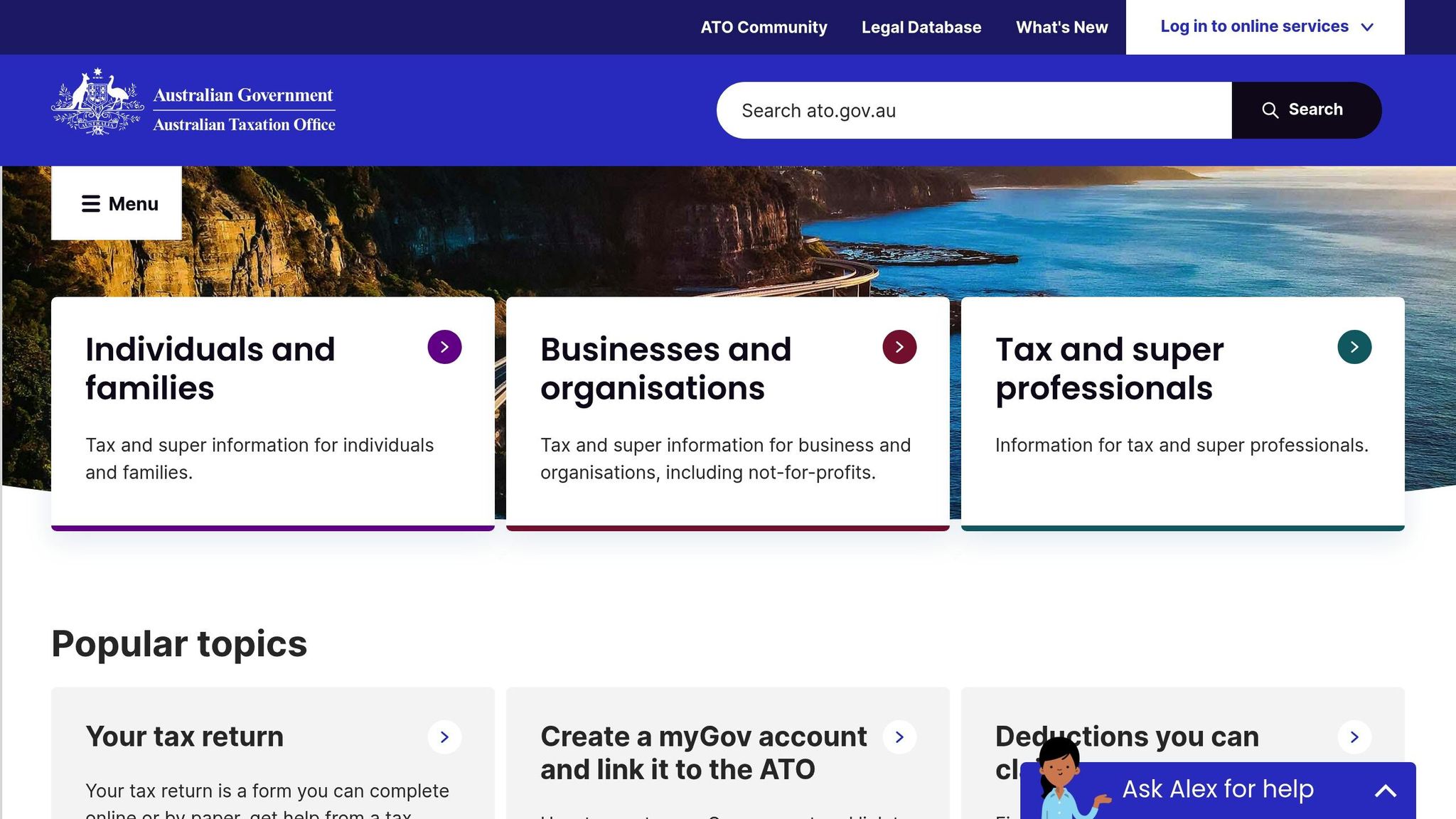
You also need proof of payment to show your claim is true [9].
If you’ve lost the first bill, mix bank details with a small note on what the cost was for [10]. Bank notes, card slips, EFTPOS slips, and online pay proofs are all good proof. Keep these with full bills for at least five years [4].
sbb-itb-2be92ed
How to Claim Dental Costs: Step-by-Step Guide
When you have all your papers, claiming dental costs means doing careful math and right filing. Here’s how to make sure your claim goes through easy.
Add Up Your Costs
First, add all your dental costs for the year. These are what you pay to dentists, orthodontists, and dental mechanics for needed care like check-ups, fixes, braces, and mouth surgery [3]. But, know that looks-based work, like teeth whitening, won’t count.
Next, take off any money you got back from Medicare or your own health plan. You can only claim what you paid yourself – your out-of-pocket costs. For instance, if a root canal was $800 and you got $200 back, you can claim $600.
Note, from 1 July 2019, you can only claim medical costs over 10% of your income after some adjustments (AGI) [11]. So, if your AGI is $50,000, you need over $5,000 in medical and dental costs before you can claim.
Make sure you know what counts and what doesn’t. For example, health plan costs and travel costs don’t count [1]. Once you’ve found your claimable amount, you can fill your tax form.
Fill Your Tax Form
Now, put your allowed costs in the right part of your tax form. Check that the total goes over the 10% AGI limit before writing it down [11]. Only add costs you paid for, and check your math carefully [11].
If you file online through myGov, go to the medical costs part and type in your total. Or, if a tax person helps you, give them all your papers so they file it right.
Send Your Claim
The last step is to file your taxes on time. The normal deadline is 31 October, or later if a tax agent helps you [12]. Make sure all your papers are clear when you file [9].
Keep all your claim papers for at least five years after filing [9]. Save receipts, bills, proof of payment, and any doctor notes [11].
If the tax office needs more info about your claim, reply fast with what they need. Being ready from the start will make this easier.
For help, you might talk to a tax expert. They can guide you with the rules, more so with new changes to tax breaks for medical costs [1].
Common Mistakes and How to Get More from Your Claim
Slip-ups when asking for dental costs back can lead to smaller refunds or may cause a check by the ATO. By knowing and fixing common mistakes, you can make sure your claim is right and get the most out of the dental money you can ask for.
Paperwork Errors to Keep away from
Keep your papers right when making your claim. Here are some usual slip-ups with papers and how to avoid them:
- Lost or not full receipts: This happens a lot. The ATO wants clear records like receipts, bills, and notes from Medicare or private health covers. Forgetting small receipts through the year can cause trouble when it’s tax time. To avoid this, use electronic ways to keep track of your receipts. Make a special folder on your computer or phone for stored scans or electronic copies.
- Wrong codes and no extra papers: Claims can be turned away if needed papers are missing. The ATO may want more proof like X-rays or plans for your dental work to make sure it was for health, not looks. Always save plans or clinical notes from your dentist with your receipts.
- Asking for costs not for you: Only your own medical costs can be asked for. Make sure your dental claims do not have costs tied to business health.
- Asking for too much back: This can occur if you forget to drop reimbursements from Medicare or private health covers. Always check your math to make sure you’re asking back only what you paid yourself, as mistakes could cause checks or hold-ups in getting your money back.
Check Insurance Money Back Carefully
Right counting of what you paid yourself is key to a good claim. You can only ask back the amount left after taking off any money back from Medicare, private health plans, or others.
- Watch money back all year: Keep a note of all money you get back. Your claim should only have what you paid yourself. Do not file too early; wait until you have the last notes from Medicare and your private health plan to be sure of your math.
- Know your private health plan well: Look over your cover to know which treatments are paid back and the money you might get back. This helps you stop wrongly asking back costs that will be returned later.
Keep all needed papers, like receipts, treatment plans, and details on money back, for at least five years. The ATO might want to see proof of your claims in an audit. If your case is hard or you’re unsure about some areas, getting help from a tax pro can keep you from mistakes.
Get Help from a Tax Pro
Tax rules on medical costs have seen big changes lately. For example, starting 1 July 2019, cuts for medical costs were stopped, except for certain costs like help for disabled people, care help, or aged care till that date. Many may not know how these shifts hit their claims.
- Talk to a tax pro: They know the complex tax rules well and can make sure you follow the tax office’s rules. They can also stop you from making costly mistakes. [1][14]
If you find a mistake after you’ve filed your return, act at once. Tell the tax office and think about saying you made a mistake on your own [13]. Doing this early can lower the fines than if the tax office finds it later during a check.
To get more help, the tax office offers free tips on their website and through phone calls. This help lets you know what you can and can’t claim before you file. Mixing this with advice from a pro can make sure all your papers and numbers are right.
Main Points for Dental Cost Claims
Claiming work-tied dental costs can get hard, but if you know the rules, you can skip mistakes and pick just the costs that fit your case. While many dental costs are seen as private and can’t be cut off your taxes, some that are tied to how you earn might be okay.
Normal dental care, look changes, and keeping teeth healthy are usually not cut from taxes. But, if the dental work is tied to making money, you might be able to claim it for work.
To claim these costs, you must meet four main rules. Only the part of the cost tied to your job can be claimed:
- You paid by yourself and got no cash back.
- The cost links right to your income.
- You have all needed papers to back up the claim.
- The cost is not private, for home use, or for long-term assets.
It’s key to keep detailed files. Save all bills that show what dental work was done and any money you got back. Keep these files for at least five years, as you can only claim what you paid from your pocket.
With the rule details, it’s good to look back at the step-by-step guide for doing your taxes. For more peace of mind, think about talking to a tax pro to make sure your claims fit the tax office rules and that all papers are right.
FAQs
How do I list my dental costs on my taxes in Australia?
In Australia, you can’t usually cut your taxes with dental costs unless they are part of your job or fit some set rules. For example, if your job needs dental work or some health fixes, these might count. To keep the Australian Taxation Office (ATO) happy, keep all your papers like bills, invoices, and any needed files.
Before you ask for a cut in your taxes, make sure the dental costs fit with what the ATO says is okay. Good records help back up your claim if it’s checked later. If you’re not sure if you can claim, talk to a tax expert or look at the ATO’s site to clear things up.
How can I know if my teeth costs can be cut from my tax in Australia?
If you want to know if you can cut teeth costs from your tax in Australia, first check with the Australian Taxation Office (ATO) or talk to a tax agent. Most times, normal teeth costs – like checks, cleanings, or looks change – are not cut from tax.
But, some are not like this. If teeth costs are needed to treat a health issue or for certain job needs, they might count. Like, if teeth work is done for health or to keep a job look that is needed, these costs might be okay.
Keep all bills and notes, and ask a pro to make sure your costs fit the rules before you give in your tax form.
Related Blog Posts
- Guide to Choosing the Right Cosmetic Dental Treatment
- Scope of Practice for Dental Hygienists in Australia
- How to Check Dental Ads for Section 133 Compliance
- Dental Equipment Inspection: Key Requirements
Important Notice: Any surgical or invasive procedure carries risks. Before proceeding, you should seek a second opinion from an appropriately qualified health practitioner.
Individual results may vary. The information provided in this article is for educational purposes only and does not constitute medical advice.
Checkout Related Blogs




Get in touch with us
For more information, call us now to start feeling better. Or fill the form below to make appointment
The Latest News from Complete Smiles
How to Clean Clear Plastic Retainers
Checklist for Choosing Wearable Dental Devices
Checklist for Choosing Cloud AI Platforms in Dentistry

Complete Smiles Bella VistaAccepts All Major Health Funds, Including





