





How Often Kids Need Dental Check-Ups
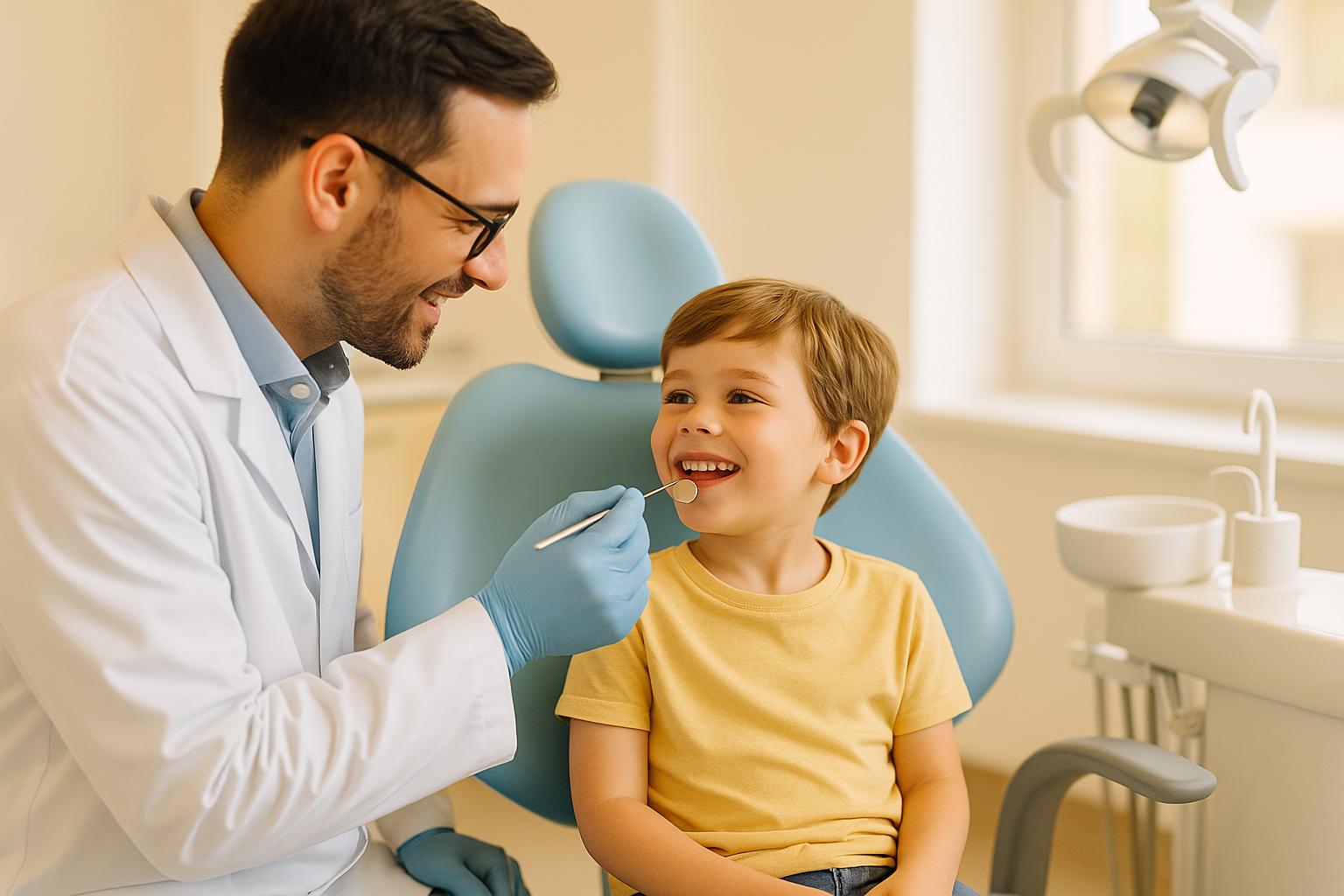
Kids should visit the dentist regularly to maintain healthy teeth and gums. Here’s what you need to know:
- Start early: Book your child’s first dental visit by their first birthday or when their first tooth appears.
- Frequency: Most kids need check-ups every 6 to 12 months. High-risk children may need visits every 3 to 4 months.
- What happens during visits: Dentists clean teeth, check for cavities, monitor growth, and offer preventive treatments like fluoride and sealants.
- Tailored care: Visit schedules depend on your child’s oral health, risk factors, and age.
Early and regular dental care helps prevent decay, ensures proper oral development, and builds positive habits for life.
When Should Your Child Visit The Dentist? By Age 1.
How Often Should Kids Visit the Dentist?
The timing of dental visits depends on a child’s individual oral health needs, but regular check-ups are essential for most Australian children. Building on the benefits of early dental care, here’s a guide to how often kids should see the dentist, tailored to different risk profiles.
Standard Schedule for Most Children
For children with normal oral health, dentists typically recommend check-ups every six to twelve months. This is especially important during significant dental transitions, like around age six, when baby teeth start making way for permanent teeth [4][7][8]. Dentists may adjust the timing based on the child’s oral health during each visit.
More Frequent Visits for Higher Risk Children
Children with higher risk factors may need more frequent dental visits. Risk factors include poor diet, inadequate oral hygiene, orthodontic appliances, developmental delays, or certain medical conditions. These children require closer monitoring to prevent issues like tooth decay or gum disease. According to the Australian Research Centre for Population Oral Health (ARCPOH), "frequency must be based on different oral health needs and individual risk levels" [6].
When Yearly Visits May Be Enough
For children with excellent oral health and minimal risk factors, an annual check-up might suffice. This is often the case for older kids and teenagers who maintain good oral hygiene and have no history of dental issues. However, parents should stay vigilant for signs of tooth pain, sensitivity, or other changes in their child’s mouth and schedule a visit if concerns arise. It’s also worth noting that access to dental care can be a challenge for some families, particularly in lower socio-economic or regional areas, which may impact visit frequency.
What Happens During a Child’s Dental Check-Up?
Understanding what happens during a dental visit can ease any concerns you or your child might have. In Australia, dental practices follow standard procedures while customising their approach to suit your child’s age and specific needs.
Standard Procedures and Preventive Treatments
Dental check-ups typically begin with a review of your child’s medical history. This step helps the dentist identify any health changes or medications that could influence oral care. Using tools like a dental mirror, explorer, and scaler, the dentist carefully examines the teeth and surrounding tissues for any signs of trouble [9].
Professional cleaning is another essential part of the visit. It removes plaque and tartar that brushing at home can’t fully address. If needed, dentists may suggest X-rays to uncover hidden issues, though these aren’t necessary at every visit [9].
Fluoride treatments are often applied to help strengthen tooth enamel and reduce the risk of decay [9][10].
"Regular dental examinations, dental sealants, fluoride treatments, and daily brushing and flossing help prepare children and set the foundation for long-lasting good oral health." – Hudson Valley Pediatric Dentistry [10]
The visit also includes oral health education tailored to your child’s age. Dentists demonstrate proper brushing and flossing techniques and talk about how diet affects dental health. As children grow, the advice evolves to match their stage of development [10].
Different Approaches for Different Ages
As children grow, their dental care needs change. Dentists adjust their approach based on your child’s age and developmental stage, ensuring they receive the right care at the right time [11].
- Infants (0-2 years): The focus is on cleaning gums before teeth emerge. Once the first tooth appears, parents are advised to use a soft cloth or toothbrush with a smear of fluoride toothpaste [11].
- Toddlers (2-4 years): Dentists use fun, interactive techniques to teach brushing with a pea-sized amount of fluoride toothpaste, encouraging cooperation [11].
- School-age children (5-7 years): At this stage, dental sealants may be recommended for newly erupted molars. Dentists also discuss the importance of mouthguards for kids involved in sports [11].
- Children (8-12 years): While encouraging independence, dentists continue to supervise brushing and flossing habits. They also monitor for early orthodontic issues as permanent teeth come in [11].
- Teenagers (13-18 years): The focus shifts to maintaining good oral hygiene independently, addressing wisdom teeth concerns, and discussing risks linked to habits like oral piercings [11].
"Establishing a strong foundation for dental health early on not only prevents oral diseases but also instills lifelong habits for maintaining healthy smiles." – Desert Kids Dental [11]
Checking Growth and Development
Beyond cleaning and preventive care, dentists also keep a close eye on your child’s growth and development. They monitor the alignment of teeth, spacing, and jaw development to spot potential problems like crowding, misalignment, or bite issues early on [2][3].
This is particularly important given that nearly 42% of children aged 5-10 years have experienced decay in their baby teeth [13]. By catching issues early, dentists can recommend simpler and more effective treatments.
During these assessments, dentists evaluate the transition from baby teeth to permanent teeth. They check for delayed tooth eruption, ensure there’s enough space for permanent teeth, and determine if early orthodontic care might be helpful [2][12].
Identifying problems early can save families from more extensive and costly treatments later. Whether it’s addressing bite issues, decay, or developmental concerns, early intervention is key to keeping your child’s smile healthy [12][14].
sbb-itb-2be92ed
Tips for Scheduling and Maintaining Dental Visits
Incorporating dental visits into your family’s routine can make them more manageable while fostering a positive outlook on oral health for your children.
Fitting Regular Check-Ups Into Your Schedule
To keep things running smoothly, try scheduling dental appointments during school holidays or quieter times like lunch breaks or after school. This avoids disrupting your child’s classroom time and can make for a calmer visit. You could also combine dental visits with other errands or book appointments for the whole family at once to save time. Online booking systems and reminders can make managing appointments even easier. A well-organised schedule not only simplifies things for you but also helps your child feel more at ease about the visit.
Helping Children Feel Comfortable at the Dentist
Once you’ve got the scheduling sorted, focus on creating a positive experience for your child. Talk about the upcoming visit in an upbeat way, and consider using role-play with toys or storybooks to help them understand what to expect. Letting your child bring a comforting item, like their favourite stuffed animal, can also ease their nerves. Regular visits from an early age make the dental environment feel familiar, and staying calm yourself can prevent your own anxieties from influencing your child. After the appointment, a little praise or a small reward can go a long way in building their confidence and encouraging a positive attitude towards dental care [32,35].
Supporting Good Oral Care at Home
Good oral health starts at home. Make sure your child brushes twice a day, with your supervision, until they’re confident doing it properly on their own. To make brushing fun, you could sing songs, read dental-themed storybooks, or even turn it into a family activity. These small efforts can help your child see brushing as a normal and enjoyable part of their day.
Here’s a concerning fact: one in three Australian children don’t brush their teeth twice daily [15]. Alongside brushing, diet plays a big role in oral health. Cutting back on sugary snacks and drinks and encouraging fluoridated tap water can significantly reduce the risk of tooth decay. Dr Anthea Rhodes, director of the RCH National Child Health Poll and a paediatrician at RCH, shares this advice:
"Brush teeth twice a day, visit the dentist at least once a year for checkups from age one, and choose a tooth friendly diet, including drinking tap water instead of sugary drinks. These simple things will help set your child up for a lifetime of good oral health." [15]
Special Care for High-Risk Children
When it comes to preventive dental care, children with higher risks of dental issues need extra attention. For these kids, regular check-ups every six months might not be enough. Adjusting the frequency of visits and tailoring care to their specific needs can have a big impact on their oral health.
Recognising High-Risk Factors
Certain factors can increase a child’s likelihood of developing dental decay. Family history is a major one – if parents or siblings have struggled with cavities, the risk for your child goes up. Everyday habits, like sharing utensils or cups, can also spread cavity-causing bacteria [16].
Diet plays a big role too. Kids who frequently consume sugary snacks, soft drinks, or go to bed with bottles of milk or juice are at greater risk. Studies even show that toddlers who rarely eat fresh fruit or snack on popcorn may experience faster tooth decay [16].
Socioeconomic challenges also contribute. Children from families with fewer resources or lower education levels often have a higher prevalence of dental issues [18].
Parents should watch for early warning signs like white, chalky spots or brown stains on their child’s teeth, especially near the gums. A quick check by gently lifting their lip can help catch early signs of decay [17].
| High-Risk Factors for Dental Problems |
|---|
| Frequent sugary snacks, soft drinks, or bedtime bottles |
| Irregular toothbrushing and plaque build-up |
| Family history of cavities |
| Limited access to dental care or lower socioeconomic status |
| Tooth enamel issues like hypoplasia |
Spotting these risk factors early highlights the need for more frequent dental check-ups.
Why More Frequent Visits Help
For children at higher risk, visiting the dentist every three to four months instead of the usual six can make a big difference. Early detection is key – cavities can begin as soon as the first tooth appears [17]. Regular check-ups catch small issues before they become major problems.
The numbers are striking: around 50% of preschoolers in several countries have experienced at least one cavity [18]. In Canada, dental issues are the top reason for day surgeries under general anaesthesia in children under five [17].
Preventive care is far more effective than waiting to address problems later. As the Canadian Dental Association describes:
"ECC is an infectious, transmissible, diet-dependent disease that may begin soon after dental eruption and that may progress rapidly. It has a lasting detrimental impact on both primary and permanent teeth." – Canadian Dental Association [19]
Frequent visits also help children feel more at ease with dental care, reducing anxiety and building positive habits. Treatments like fluoride applications and dental sealants during these visits can provide extra protection against decay.
Following Your Dentist’s Recommendations
Routine check-ups are the foundation for a customised care plan tailored to your child’s unique needs. Your dentist may recommend more frequent visits, specific fluoride treatments, dietary advice, or changes to daily oral care routines. Sticking to this plan is crucial for improving your child’s oral health.
At home, consistent care is just as important. Follow your dentist’s advice on brushing, flossing, and other habits. Offering tap water regularly is also encouraged [1].
The Australian Dental Association highlights the importance of early dental routines:
"Establishing a dental visit routine where positive early interactions with the dental team occur will encourage a lifetime of good dental habits and a positive attitude towards maintaining oral health." – Australian Dental Association [5]
If you have concerns about costs or scheduling, don’t hesitate to ask your dentist for guidance. Many clinics offer flexible payment options or can direct you to community health resources. Investing in preventive care now can save money and spare your child from the stress of more invasive treatments later. Following your dentist’s advice is a key step in ensuring long-term oral health.
Conclusion
Routine dental check-ups are the cornerstone of maintaining healthy teeth and gums, setting your child up for a lifetime of good oral health.
Key Points for Parents
Here are some essential takeaways to keep in mind:
- Start early. Book your child’s first dental visit by their first birthday or when their first tooth appears [5][20].
- Stick to regular check-ups. Most children benefit from visits every six months, but consult your dentist to confirm the best schedule for your child [1].
- Prevent decay early. Addressing tooth decay early can save your child from unnecessary discomfort and costly treatments later [3].
- Make visits positive. Creating a stress-free, friendly experience at the dentist helps reduce anxiety and encourages lifelong oral hygiene habits [2].
- Stay proactive. Regular visits not only reinforce healthy habits but also allow dentists to catch and address any changes early.
FAQs
How do I know if my child needs more frequent dental check-ups?
Some kids might need to see the dentist more often due to certain factors that increase their risk of dental problems. These can include a history of cavities, not brushing or flossing regularly, eating or drinking a lot of sugary treats, or having medical conditions that impact their teeth and gums. For these children, a dental visit every 3 to 6 months can be helpful to keep a close eye on their oral health and address any issues early.
Regular dental check-ups do more than just catch problems early – they also help your child build lifelong habits for taking care of their teeth. If you’re unsure how often your child should visit the dentist, talk to your dentist. They can give you advice tailored to your child’s specific needs.
What signs should I look out for that mean my child needs to see the dentist sooner than planned?
If your child is dealing with ongoing or intense tooth pain, swelling in the gums or face, persistent bleeding, or has a knocked-out, loose, chipped, or broken tooth, it’s crucial to arrange a dental appointment immediately. These symptoms often point to urgent dental problems that need attention sooner rather than later.
Acting quickly can help avoid more serious issues and keep your child’s oral health on track.
How can I help my child feel more comfortable about visiting the dentist?
Helping kids feel comfortable about going to the dentist can make a world of difference. Start by speaking positively about the dentist and explaining what will happen in a way that’s simple and reassuring. Playing a pretend dental visit at home can also help them get used to the idea.
During the appointment, distraction can work wonders – whether it’s letting them watch their favourite show or bringing along a beloved toy for comfort. Breathing exercises or visualisation can also help them manage any nerves. After the visit, a bit of praise or a small reward can go a long way in creating positive associations with dental care.
For a family-friendly experience, Complete Smiles Bella Vista offers personalised care in a warm and inviting setting, making sure your child feels safe and at ease every step of the way.
Related Blog Posts
- 5 Steps of Professional Dental Cleaning
- How Oral Health Affects Preterm Birth Risk
- Phases of Dental Treatment Planning
- Toothbrushing Tips for Kids by Age
Important Notice: Any surgical or invasive procedure carries risks. Before proceeding, you should seek a second opinion from an appropriately qualified health practitioner.
Individual results may vary. The information provided in this article is for educational purposes only and does not constitute medical advice.
Checkout Related Blogs




Get in touch with us
For more information, call us now to start feeling better. Or fill the form below to make appointment
The Latest News from Complete Smiles
How to Clean Clear Plastic Retainers
Checklist for Choosing Wearable Dental Devices
Checklist for Choosing Cloud AI Platforms in Dentistry

Complete Smiles Bella VistaAccepts All Major Health Funds, Including





