





Dental Equipment Inspection: Key Requirements
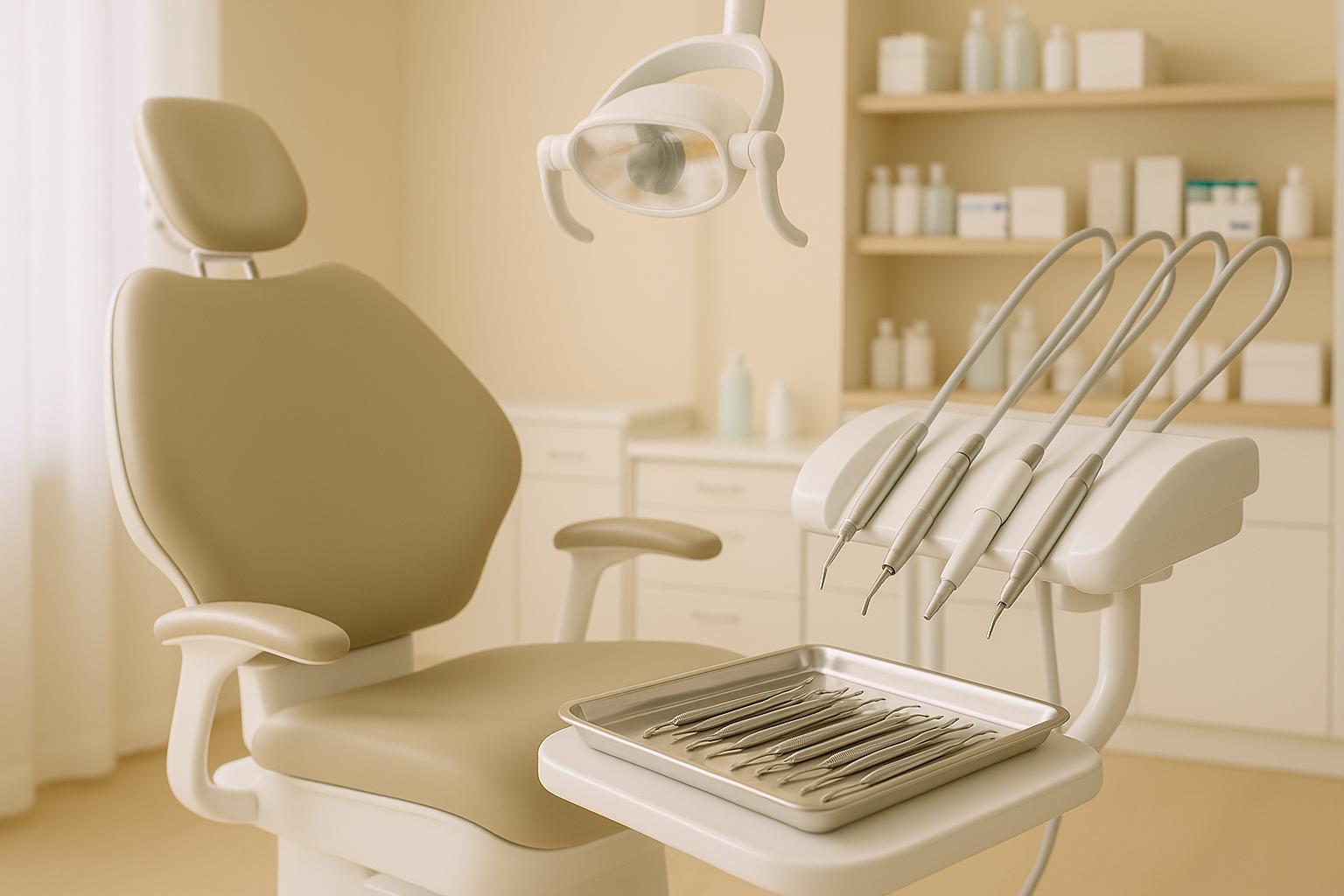
Ensuring dental equipment is safe and compliant is non-negotiable for Australian dental practices. Regular inspections prevent cross-contamination, maintain infection control, and comply with regulations like the Therapeutic Goods Act 1989. Here’s what you need to know:
- Why It Matters: Protects patient safety, prevents equipment failure, and avoids costly fines.
- Regulatory Bodies: Overseen by the TGA, AHPRA, and state authorities, with specific rules for radiation-emitting devices like CBCT machines.
- Inspection Standards: Follow AS/NZS 3551 for testing and tagging medical equipment. Radiation equipment needs annual compliance testing.
- Sterilisation Guidelines: Adopt AS 5369:2023 standards for validating sterilisation processes, including daily performance checks.
- Record Keeping: Maintain detailed logs of inspections, test results, and certifications to meet compliance and audit requirements.
Is Your Sterilization Room Compliant? A CDC Inspector Weighs In

Australian Regulatory Standards and Compliance
Australia’s framework for regulating dental equipment inspection operates on several levels, involving federal agencies, professional boards, and state-based authorities. Each entity plays a specific role in ensuring equipment safety and adherence to established rules. Below, we break down the key regulatory bodies, inspection standards, and licensing processes that govern compliance.
Key Regulatory Bodies
The Therapeutic Goods Administration (TGA) is the primary body overseeing medical devices in Australia, which includes dental equipment. Under the Therapeutic Goods Act 1989, most dental tools and materials are classified as medical devices. The TGA ensures their quality, safety, and performance by applying risk management strategies designed to protect public health while avoiding unnecessary regulatory hurdles[1].
"The TGA carries out a range of assessment and monitoring activities to ensure therapeutic goods available in Australia are of an acceptable standard with the aim of ensuring that the Australian community has access, within a reasonable time, to therapeutic advances." [1]
The Dental Board of Australia and AHPRA (Australian Health Practitioner Regulation Agency) also contribute to the regulatory landscape. While they don’t directly regulate equipment, their guidelines for dental practices and professionals indirectly influence equipment standards and inspections.
For equipment that emits radiation, the Australian Radiation Protection and Nuclear Safety Agency (ARPANSA) provides national guidelines through its Code of Practice and Safety Guide for Radiation Protection in Dentistry. This document sets the groundwork for radiation safety across the country. However, state and territory health authorities add another layer of oversight, particularly around radiation safety and equipment licensing, resulting in a patchwork of compliance requirements that vary regionally.
From here, we delve into the specific inspection standards and licensing steps essential for meeting these regulations.
Equipment Inspection Standards
Dental practices in Australia must follow both national guidelines and state-specific rules when it comes to inspecting their equipment. ARPANSA’s radiation safety guidelines provide a national framework, but the details of implementation differ between jurisdictions[2].
Some states have introduced additional measures to ensure safety. For example, Queensland began requiring annual compliance testing for CBCT machines in September 2021. Similarly, NSW has rolled out updated testing protocols for CBCT equipment[2].
"There is clearly a lack of information about radiation safety and compliance. Dentists go out and get their radiation user licence, but they do seem to have a lack of knowledge about equipment upkeep and compliance." – Makenzie Harris, founder and consulting radiation expert (CRE) at Gamma Tech [3]
Accredited consulting radiation experts (CREs) play a key role in the inspection process, conducting compliance testing and issuing certifications. Annual servicing of radiology equipment has become standard practice, ensuring safety standards are consistently met[3]. Since locally manufactured dental products account for less than 3% of the market by volume[1], most equipment must satisfy both international and Australian standards, adding further complexity to compliance.
These inspection standards lay the groundwork for the specialised licensing processes discussed below.
Specialised Equipment Licensing
Radiation-emitting equipment, such as CBCT machines, requires specific licensing. Each state and territory has its own licensing framework, making the requirements different across Australia[2].
The licensing process starts well before equipment installation. Dental practices must apply for a radiation licence in their state or territory, prepare a radiation safety management plan tailored to their setup, and submit shielding reports for radiation rooms. This applies even when upgrading existing equipment, such as replacing OPG units with CBCT machines[2].
In NSW, applicants must demonstrate a thorough understanding of radiation safety principles to the Environment Protection Authority (EPA). They are required to prove technical competence and meet the criteria of being a "fit and proper person" under the Protection from Harmful Radiation Act 1990[6].
Radiation exposure levels also vary depending on the equipment. For instance:
- Traditional X-ray machines produce 0.5–1 mrem per image.
- Handheld X-ray devices emit 1–5 mrem per image.
- CBCT scans result in higher doses, ranging from 20–60 mrem per scan[4].
Once equipment is registered with the relevant state or territory authority, compliance testing and certification remain ongoing responsibilities throughout the device’s lifespan. Regular testing and meticulous record-keeping are essential to maintain these licences. Failure to comply can lead to penalties or disruptions to practice operations[2].
Inspection Procedures and Documentation
Thorough inspections and accurate documentation play a key role in ensuring dental equipment compliance across Australia. By adhering to regulatory standards, systematic inspection procedures help maintain safety and compliance. This process includes detailed checks, standardised testing, and meticulous record-keeping to meet both legal and workplace safety requirements.
Equipment Inspection Steps
Routine equipment inspections follow specific regulatory guidelines. The first step is identifying which equipment requires testing. For example, dental X-ray imaging equipment such as intra-oral X-ray machines, OPG machines, and CBCT units must undergo regular compliance testing in most Australian states. The testing frequency varies by jurisdiction, so it’s important to understand the specific requirements where your practice operates [5].
Inspection protocols depend on the classification of the equipment. The process typically involves three main steps: visual, functional, and electrical testing. Start with a visual inspection to check for damage or wear, followed by operational and electrical tests to confirm functionality. For electrical equipment, safety evaluations include tests like protective earth resistance, insulation checks, and leakage current assessments [12].
Equipment located within a "patient environment" (defined as a 1,500 mm radius around patient areas) must comply with AS/NZS 3551 standards for testing and tagging [10]. Even equipment outside this zone, if connected to medical devices inside it, is treated as medical equipment and must meet the same stringent testing requirements [10].
Skipping compliance testing isn’t just a regulatory issue – it directly risks the safety of both patients and staff [5]. Scheduling inspections on time is critical to ensure both smooth practice operations and adherence to safety standards.
Testing, Tagging, and Certification
Testing and tagging dental equipment involves stricter protocols than those for general electrical appliances. Medical equipment testing is more comprehensive, including performance verification and patient risk assessments [10]. For instance, AS/NZS 3551 standards demand tighter tolerances and additional functionality checks compared to general standards like AS/NZS 3760 [10].
Practices are required to test equipment in line with the Work Health and Safety Act, AS/NZS 3551:2012, and RACGP guidelines [8]. This thorough approach ensures safe and reliable equipment operation, reducing risks to both operators and patients [10].
Healthcare providers are legally obligated to protect everyone in their care, making electrical safety testing a non-negotiable priority [12]. Testing must be carried out by qualified professionals with both hands-on experience and theoretical knowledge [11]. Competent service providers typically offer on-site and off-site testing, calibration, and certification services that comply with Australian Standards.
Proper testing and tagging must be documented to confirm the equipment’s safe operation.
Record Keeping for Compliance
Keeping detailed records is essential for demonstrating compliance and preparing for audits. Documentation should include service check details, test results, parts used, and service labels [7]. These records not only provide evidence of compliance but also help track equipment performance over time and support warranty claims when needed.
For practices using radiation equipment, documentation requirements are even stricter. Equipment like intra-oral and extra-oral X-ray machines, CBCT units, and lasers must comply with local radiation safety regulations [2]. To avoid penalties, practices must maintain up-to-date shielding reports for radiation rooms and certification records for CBCT machines [2].
Key documentation should include inspection dates, test results, identified issues, corrective actions taken, and inspector qualifications. This level of record-keeping ensures compliance during audits and strengthens overall safety protocols.
Additionally, regular servicing and calibration of handpieces and instruments should be recorded to minimise breakdowns and extend their lifespan [9]. Following the manufacturer’s recommended testing schedule helps establish a consistent approach to maintenance and documentation [12].
sbb-itb-2be92ed
Infection Control and Sterilisation Equipment
Keeping sterilisation equipment in top condition is a cornerstone of infection control in dental practices. These devices must undergo strict inspections to meet safety and regulatory standards. In Australia, compliance with updated guidelines is essential. The AS 5369:2023 standards, which replace AS/NZS 4187:2014, introduce new protocols, including performance qualification tests and categorisation of instruments based on their resistance to steam penetration [15]. This process ensures reliable sterilisation while laying the groundwork for daily monitoring and staff training.
Sterilisation Equipment Inspection and Validation
Validation is all about ensuring instruments remain sterile and safe. It involves several steps:
- Installation Qualification (IQ): Confirms the equipment is installed according to specifications [13].
- Operational Qualification (OQ): Tests the equipment under normal operating conditions, including temperature mapping and alarm checks [13].
- Performance Qualification (PQ): Verifies the sterilisation process consistently produces sterile results using biological or chemical indicators [13].
The Australian Dental Association‘s Infection Prevention and Control Guidelines align with AS 5369:2023, highlighting the importance of PQ testing for different instrument types [15]. Steam sterilisation, in particular, requires constant monitoring of time, temperature, and pressure to ensure effectiveness [14].
| Sterilisation Method | Best Used For |
|---|---|
| Steam (Autoclave) | Heat-resistant instruments, surgical tools, glassware |
| Ethylene Oxide (EtO) | Heat and moisture-sensitive devices, electronics |
| Vaporised Hydrogen Peroxide | Medical devices, equipment surfaces in healthcare settings |
| Dry Heat | Powders, oils, moisture-sensitive materials |
Performance Monitoring and Daily Checks
After initial validation, regular performance checks become a daily necessity. These checks use mechanical, chemical, and biological methods to confirm effective sterilisation. For instance:
- Mechanical Monitoring: Involves reviewing gauges, displays, or printouts for each steriliser load to ensure the correct pressure, temperature, and exposure time are reached [17].
- Chemical Indicators: Placed inside every package to confirm the sterilising agent has penetrated. If the indicator doesn’t show the expected colour change, the instruments should not be used [17].
- Biological Indicators: Spore strips or vials are used at least weekly – though high-risk environments may require daily testing [17].
Daily checks for pre-vacuum autoclaves include the Bowie-Dick test, which ensures proper air removal and steam penetration [16]. Process Challenge Devices (PCDs) with Class II chemical indicators should also be used daily to simulate the toughest sterilisation challenges [18].
"Sterilization monitoring is a critical step in ensuring that instruments and devices are safe to use on another patient." – CDC [17]
In March 2025, MES Australia recommended that dental practices following AS/NZS 4815 validate autoclaves annually. Daily checks, including Bowie-Dick tests and biological and chemical indicators, remain essential for consistent sterilisation [16].
"Regular validation is essential for maintaining safe and effective sterilisation. Following Australian standards ensures compliance, protects patients, and prevents costly breakdowns." – MES Australia [16]
Staff Training in Equipment Handling
Proper training for staff is just as important as the equipment itself. The CDC stresses that only trained personnel should handle cleaning, disinfection, and sterilisation processes [19]. Training programs should cover:
- Cleaning, disinfection, and sterilisation procedures.
- Correct use of personal protective equipment (PPE).
- Manufacturer instructions for all equipment, which should be easily accessible near the reprocessing area [19].
"Instrument reprocessing requires a series of steps to ensure that contaminated patient-care items are safe for reuse." – CDC [19]
Additionally, appointing an infection prevention coordinator is now recommended. This person creates and enforces written infection prevention policies based on the latest evidence and ensures all staff are equipped with the knowledge and tools for maintaining proper infection control [20].
Overloading steriliser chambers or neglecting maintenance can cause sterilisation failures [20]. Staff must be trained to operate steam sterilisers correctly and stay up to date with any changes to procedures or equipment. Regular refresher courses help maintain high standards and ensure everyone is prepared to handle updates or modifications [14].
Safety, Risk Management, and Quality Improvement
Creating a safe environment in dental practices goes beyond just following routine procedures. It involves a thorough approach to risk management and continuous quality checks. In Australia, dental practices must juggle strict regulatory requirements with practical safety measures to protect both staff and patients. These efforts align closely with the equipment inspection protocols outlined earlier.
Workplace Safety Protocols
The foundation of workplace safety lies in recognising potential hazards, particularly those related to dental equipment. Most dental tools require annual inspections, with more detailed testing every five years [22].
Fire extinguishers, for example, must be inspected every six months and replaced every five years to ensure they remain effective, especially in environments with high electrical usage [22].
Safety switches, or RCDs, need a six-monthly push-button test and a professional load test every two years to ensure they function correctly [22]. Emergency exit lights also require inspections every six months to confirm they will work during an emergency [22].
| Equipment | Inspection Frequency | Test Frequency |
|---|---|---|
| Electrical Appliances | Every 12 months | Every 5 years |
| Fire Extinguishers | Every 6 months | Replace every 5 years |
| RCDs (Safety Switches) | N/A | Push-button test every 6 months, load test every 2 years |
| Emergency Exit Lights | Every 6 months | Every 6 months |
In addition to equipment checks, standard precautions are critical. These include proper hand hygiene, the use of personal protective equipment (PPE), and implementing engineering controls to minimise exposure to bloodborne pathogens [21]. When engineering solutions aren’t practical, work-practice controls should be introduced [21].
Sharps safety is another area that requires attention. Injuries from needles, burs, and other sharp instruments are common among dental healthcare workers [21]. Safe injection practices, along with clear disposal protocols, are essential to prevent infections and ensure a safer workplace.
Regular Audits and Staff Training
Safety isn’t just about equipment – it also depends on ongoing evaluation and education. Regular audits help identify and address gaps in compliance, strengthening overall safety measures.
Audits should cover three key areas: patient care, staff safety, and workplace operations [25]. This might include reviewing patient complaints, analysing past incidents, and checking legal compliance. Tools like noise dosimeters and ergonomic assessments can also help identify risks in workstation design and daily operations [26].
"Our Risk Management Log is designed to prioritise patient safety through incident logging and collaborative review. By documenting and sharing critical insights, our dedicated team provides expert guidance, helping you proactively address potential risks, support continuous improvement, and maintain the highest standards of patient care." – Mobile Dental Providers [24]
Staff training plays a vital role in maintaining safety. Workshops and refresher courses keep knowledge up to date, while hands-on sessions focus on proper instrument handling, PPE use, and emergency response protocols [26]. The success of these programs can be measured through metrics like injury rates and compliance audit results [26].
Quality Improvement Practices
Safety protocols and audit findings can also drive quality improvements across dental practices. For instance, digital systems now make it easier to manage maintenance schedules and compliance reporting. These systems can track when equipment needs servicing, generate reports, and create audit trails that link tasks to policies [27].
Maintaining a centralised equipment register – complete with user manuals, warranties, insurance details, and supplier contacts – further simplifies management [27]. Clinical governance frameworks, which combine risk management with quality assurance, ensure that inspection results lead to meaningful changes [28].
Documenting daily operations can also reveal opportunities for efficiency. For example, tracking inventory levels and usage patterns can help reduce waste and optimise stock management [29]. Partnering with suppliers on environmentally conscious practices can further enhance operations.
Metrics like equipment downtime, maintenance costs, and incident rates provide concrete data to measure improvement [26]. This information helps guide decisions about equipment upgrades, training needs, and resource allocation.
Finally, staying informed about new technologies and industry standards through continuing education ensures that quality improvement efforts remain relevant. The Australian Dental Association’s sustainability guide offers additional strategies for practices aiming to elevate their standards [29].
"Effective infection prevention and control is central to providing high quality health care for patients and a safe working environment for those that work in healthcare settings." – Dental Council of NSW [23]
Conclusion
In Australia, inspecting dental equipment requires a careful balance between meeting regulatory requirements and ensuring practical safety. The Therapeutic Goods Act (Cth) 1989 categorises most dental tools as medical devices, providing a solid framework to protect both patients and staff from potential risks [1].
With the dental services industry valued at $11 billion in 2023 and the equipment market expected to hit $265 million by 2025, maintaining high inspection standards is essential [31]. Regular checks – such as annual equipment testing and yearly autoclave validations – help detect wear and tear before they become safety hazards. These practices not only prevent cross-contamination but also fulfil legal and professional obligations [30].
Australia’s regulatory approach is rooted in risk management, aiming to safeguard public health while avoiding unnecessary red tape [1]. This focus allows dental practices to target meaningful safety measures without being bogged down by excessive administrative tasks. It also supports the seamless integration of emerging digital technologies into inspection protocols.
Speaking of technology, the dental field is evolving rapidly. For instance, the use of intraoral scanners grew from 28% in 2020 to 37% in 2021 [31]. This shift underscores the need for inspection procedures that keep pace with advancements in equipment and techniques.
Looking ahead, the AS 5369:2023 compliance deadline on 30 June 2025 highlights the importance of conducting regular gap analyses and updating infection control measures [32]. Practices that stay proactive in reviewing and refining their inspection processes will be better equipped to navigate future challenges.
Ultimately, effective inspections go beyond ticking boxes for compliance. They form a critical part of risk management strategies, ensuring the safety of patients and staff while upholding the quality of dental care.
FAQs
What are the key requirements for inspecting dental equipment in Australia to meet safety and regulatory standards?
In Australia, dental equipment must meet rigorous safety and compliance standards to ensure a clean and secure environment for both patients and practitioners. This involves regularly sterilising critical and semi-critical instruments, thoroughly cleaning clinical and non-clinical surfaces, and strictly following infection control protocols. These protocols include the correct use of PPE, effective sterilisation processes, and proper waste management.
The Australian Dental Association (ADA) provides guidance on these practices, while the Therapeutic Goods Administration (TGA) oversees regulation to uphold these high safety standards. By following these measures, dental practices can maintain a hygienic and safe setting for everyone involved.
What are the licensing requirements for using radiation-emitting dental equipment in Australia?
Licensing rules for dental equipment that emits radiation in Australia differ depending on the state or territory. Each region has its own set of regulations designed to ensure safety and compliance in dental practices. For example, in South Australia and Victoria, dental practices must secure a radiation management or use licence before operating radiography equipment. Likewise, in Queensland and the ACT, practitioners are required to obtain a licence before using such devices.
On a national level, the Australian Radiation Protection and Nuclear Safety Agency (ARPANSA) offers general guidelines and safety standards for dental radiology. However, local regulations take precedence, and these can vary significantly between states and territories. It’s crucial for practitioners to stay informed about their local requirements to ensure they meet compliance standards and prioritise safety in their practice.
Why is accurate record-keeping essential for dental equipment inspections in Australia, and what key documents should be maintained?
Accurate record-keeping plays a crucial role in dental equipment inspections across Australia. It ensures compliance with regulations, supports safety standards, and helps minimise the risk of equipment failures or potential infection issues. Maintaining thorough documentation reflects a commitment to high standards and is particularly important during audits or investigations.
Some key records to keep include:
- Maintenance logs: Documenting routine servicing and repairs.
- Sterilisation records: Confirming adherence to cleaning protocols.
- Validation reports: Recording performance checks for equipment.
- Calibration records: Ensuring instruments remain precise and reliable.
- Inspection checklists: Tracking routine assessments and evaluations.
These records should be securely stored and retained for at least 7–10 years. They must also be easily accessible when needed. Beyond regulatory compliance, keeping detailed records reinforces patient safety and builds trust in your dental practice.
Related Blog Posts
- What Are Biocompatible Dental Materials?
- Scope of Practice for Dental Hygienists in Australia
- How to Check Dental Ads for Section 133 Compliance
- AHPRA Advertising FAQs for Dentists
Important Notice: Any surgical or invasive procedure carries risks. Before proceeding, you should seek a second opinion from an appropriately qualified health practitioner.
Individual results may vary. The information provided in this article is for educational purposes only and does not constitute medical advice.
Checkout Related Blogs




Get in touch with us
For more information, call us now to start feeling better. Or fill the form below to make appointment
The Latest News from Complete Smiles
How to Clean Clear Plastic Retainers
Checklist for Choosing Wearable Dental Devices
Checklist for Choosing Cloud AI Platforms in Dentistry

Complete Smiles Bella VistaAccepts All Major Health Funds, Including





