





Research: Benefits of Dental Games for Kids
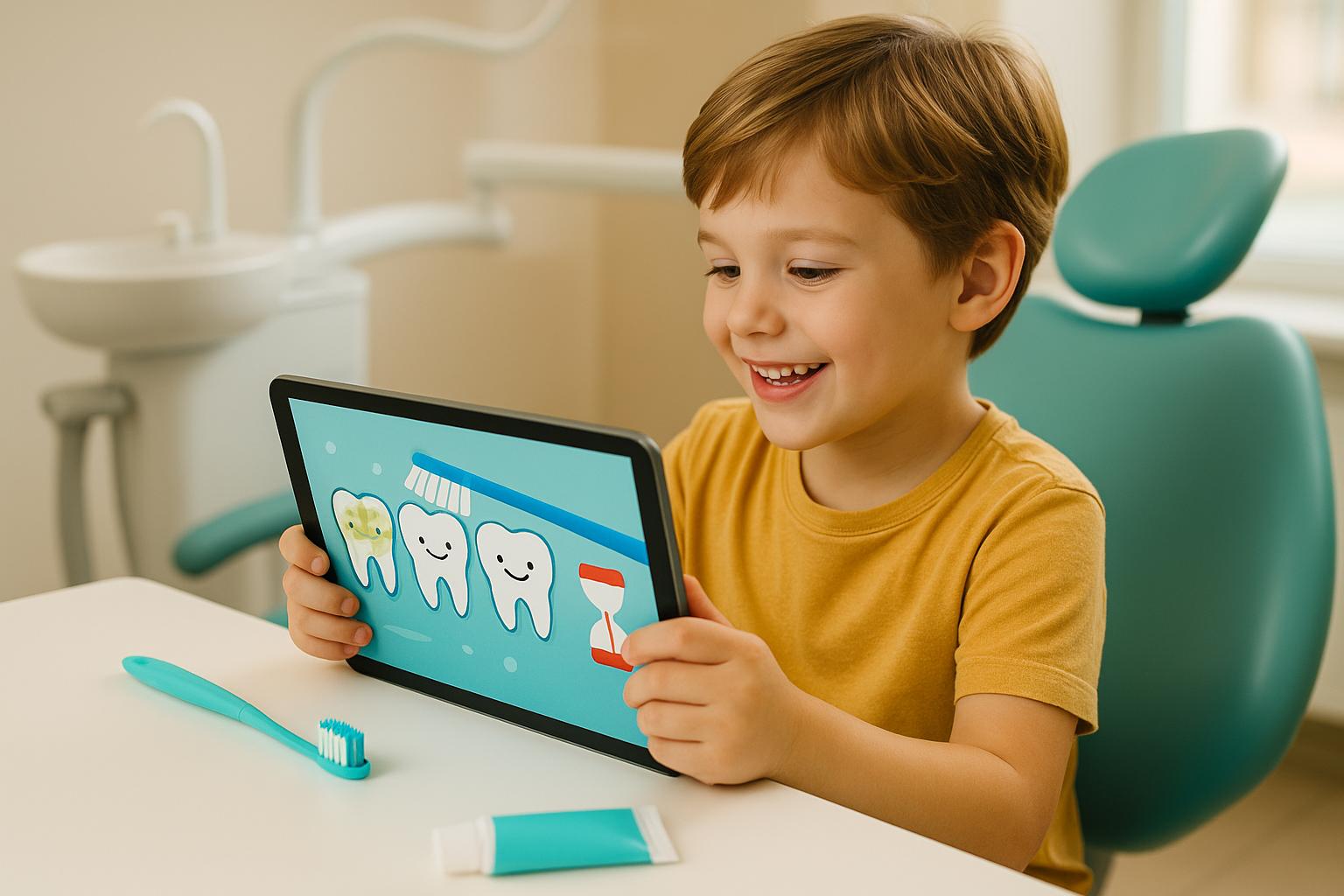
Dental games are changing how kids learn about oral health. They combine fun activities like apps, board games, and brushing timers with education to make oral care engaging and effective. Studies show these tools can improve kids’ brushing habits, oral health knowledge, and even reduce plaque and gum issues.
Key Takeaways:
- Better Habits: Kids using dental games brush more consistently and for longer.
- Improved Oral Health: Research reports up to a 63% drop in plaque scores when using interactive tools.
- Long-Term Impact: Over 70% of studies found sustained hygiene improvements for at least three months.
- Motivation Through Rewards: Gamification elements like badges and challenges encourage kids to stick with healthy routines.
For parents and dental professionals, these tools offer a way to make oral care fun and effective. However, screen time, accessibility, and game quality need careful consideration to maximise benefits.
Toothsaver Brushing Game – Practice Good Habit for Kids Brush Teeth Twice a Day for 2 Minutes
Research Results on Dental Games for Children
Dental games have emerged as a highly effective way to improve children’s oral health. Research, including systematic reviews and clinical trials, consistently shows that interactive dental education can positively impact kids’ knowledge, behaviours, and even clinical outcomes.
Better Oral Health Knowledge and Habits
Children who engage with dental games tend to develop stronger oral hygiene knowledge and habits. A systematic review highlighted notable improvements in oral health knowledge and hygiene scores among children aged 4–12 years [1][7][2].
For instance, a 2021 study in Melbourne found a 32% increase in oral health knowledge and a 25% rise in twice-daily brushing among children who participated in a board game-based program [Community Dental Health, 2021].
What makes these findings compelling is the way games influence daily routines outside structured environments like classrooms or clinics. Research indicates that game-based education encourages children to adopt and stick to recommended oral hygiene practices. Some interventions even led to better dietary choices that reduce the risk of cavities [7][2][8]. Gamified mobile apps, in particular, have proven effective in boosting both motivation and consistency in daily oral care [8]. These behavioural shifts are reflected in measurable clinical outcomes, as detailed below.
Measured Improvements in Oral Health
The impact of dental games extends beyond knowledge and habits, showing measurable improvements in oral health. For example, one study recorded a 58.7% reduction in gingival scores and a 63.4% drop in plaque scores over three months among children using an interactive game-based visual performance technique. In contrast, the control group showed little to no change [3].
A 2020 clinical trial conducted at the University of Sydney provides further evidence. This study involved 120 children aged 6–10 and found that after six weeks of using a mobile app-based dental game, participants experienced a 27% reduction in plaque index, compared to just 10% in the control group. Dr. Emily Carter, who led the study published in the Australian Dental Journal (2020), also noted a marked increase in brushing duration among app users.
These improvements aren’t limited to plaque reduction. Research also points to healthier gums, better brushing techniques, and overall enhanced oral hygiene. For instance, one study found that using a game-based brushing timer increased brushing time by an average of 45 seconds per session, significantly improving cleaning effectiveness. Long-term studies further confirm that these behavioural and clinical gains are sustainable over time.
Long-Term Changes in Behaviour
One of the most encouraging findings is that the benefits of dental games tend to last. Over 70% of studies report sustained improvements in oral hygiene for at least three months [1][8].
Qualitative research also highlights long-term retention of oral health knowledge, particularly when games are used repeatedly or integrated into ongoing education efforts [6].
Certain patterns emerge from the research about what works best. Digital games, mobile apps, interactive board games, and visual performance techniques that include features like rewards, progress tracking, quizzes, and interactive feedback tend to deliver the most impactful results [7][3][8][6]. Additionally, age-appropriate interventions that actively involve parents consistently outperform those that don’t [8].
How Dental Games Work: Methods and Features
To understand why dental games resonate so well with children, it’s essential to explore the psychological and educational principles behind their design. These games are built on the way kids learn best – through fun, motivation, and hands-on experiences. They combine these elements to create engaging tools that promote better oral hygiene habits.
Motivation Through Game Elements
Dental games are designed to spark both internal and external motivation in children. Kids naturally respond to rewards, challenges, and immediate feedback, all of which encourage them to stick with good oral hygiene practices. Features like earning digital badges, collecting virtual trophies, or receiving stickers create a sense of accomplishment. These rewards reinforce habits like proper brushing or answering oral health questions correctly, making learning feel like play[5][1].
Adding challenges and progression keeps kids engaged. Timed brushing tasks, unlocking new levels, and completing quizzes give them a sense of achievement and encourage persistence[2]. These motivational elements are a big reason why game-based dental education programs often see higher levels of engagement.
Visual Learning for Better Memory
Kids are naturally drawn to visual learning, and dental games capitalise on this by turning abstract concepts into memorable, hands-on lessons. Bright graphics, step-by-step demonstrations, and interactive storylines teach proper brushing techniques and healthy eating habits in ways that captivate young minds.
Take "Dentamatics", for example. This board game uses visuals and interactive elements to simplify complex ideas like plaque formation and cavity prevention. Research has shown that kids who played Dentamatics retained oral health information longer compared to those who only received verbal instructions[6].
These games also help children understand cause-and-effect relationships. For instance, animations can show how sugary snacks lead to cavities, making the lesson both engaging and easy to grasp. This visual approach makes it easier for kids to connect the dots between their daily choices and their dental health.
Family and Social Participation
Dental games don’t just work on an individual level – they also leverage the power of social interactions. When families get involved, the benefits multiply. Parents can model good habits, provide encouragement, and turn oral hygiene into a fun, shared routine[4]. Brushing together or playing these games as a family not only strengthens skills but also builds lasting habits.
Peer influence plays a role too. Kids are naturally competitive and learn by comparing themselves to others. Group-based dental games in schools or clinics create a sense of community, where children can learn from and motivate each other[2][5]. Features that allow kids to share their achievements with friends and family add another layer of excitement, making it easier to sustain the healthy behaviours learned during gameplay.
sbb-itb-2be92ed
Game-Based vs Standard Oral Health Education
When comparing interactive dental games to traditional teaching methods, the differences in oral health outcomes become quite apparent.
Benefits of Game-Based Learning
Game-based dental education consistently delivers stronger results than standard approaches. A systematic review involving 1,097 children aged 4–12 years showed that game-based methods significantly outperformed traditional formats like verbal instructions and educational posters in improving oral health outcomes [1].
Children who engage with dental games show noticeable improvements in oral hygiene scores and reductions in plaque and debris levels [1] [3]. These methods also enhance engagement, promote long-term knowledge retention, and encourage better oral hygiene habits. Plus, kids tend to enjoy learning through games far more than traditional methods [2] [5].
The motivational aspects of game-based learning stand out as well. Features like real-time feedback, clear goals, and elements that foster a sense of ownership help maintain interest. Research has even shown that gamification can lead to measurable improvements in brushing habits, including both the duration and thoroughness of tooth brushing [5].
Interactive tools – such as animated videos, quizzes, and board-game-inspired activities – make learning more engaging and help children apply what they’ve learned to their daily routines. However, while game-based methods offer many advantages, they’re not without challenges.
Drawbacks and Considerations
Despite their strengths, game-based approaches come with some limitations that families and dental practices need to weigh. One concern is increased screen time, especially when using digital games, which may lead to excessive device use among children.
Accessibility can also be an issue. Families without reliable internet or up-to-date devices may struggle to access many digital tools, creating barriers for those in rural or lower-income areas [5] [8]. Additionally, these games often require active parental involvement to be most effective.
Another challenge is that some children might get too caught up in the entertainment aspect of the games, which could distract from the educational content [1] [8]. The quality of available games is another consideration, as it can vary widely. Parents and dental professionals need to vet these tools to ensure they’re accurate, engaging, and age-appropriate.
Finally, the cost of implementing game-based solutions – whether for technology, software, or physical game materials – can be a hurdle for some families or dental practices [8].
Comparison Table: Game-Based vs Standard Education
| Aspect | Game-Based Education | Standard Education |
|---|---|---|
| Engagement | High – interactive and fun | Moderate to low – passive |
| Knowledge Retention | Better for long-term retention | Often short-term |
| Behaviour Change | More likely to be sustained | Less likely; may be temporary |
| Accessibility | Requires technology/resources | Widely accessible; low-tech |
| Parental Involvement | Recommended for best results | Less critical |
| Screen Time | A potential concern | Not an issue |
| Implementation Cost | Higher initial investment | Lower upfront costs |
| Motivation | High due to game elements | Lower with traditional methods |
| Professional Supervision | Can work independently or with oversight | Typically requires direct instruction |
| Cultural Adaptation | Can be tailored to specific needs | Often generic in approach |
Game-based learning clearly has the potential to transform oral health education for children, but the choice between this and traditional methods will depend on factors like resources, family circumstances, and specific needs within a dental practice. Each approach has its place, and blending elements of both could offer the best of both worlds.
Using Dental Games in Australian Dental Care
Australian dental clinics are stepping up their game – literally – by using interactive dental games to improve kids’ oral hygiene. Studies show that these games can enhance knowledge, establish better routines, and even lower plaque levels [1].
Adding Games to Dental Clinics
Imagine walking into a dental clinic where the waiting room doubles as a fun, interactive learning space. Clinics are now using tablets loaded with oral health apps, while treatment rooms may include board games or quizzes designed to make kids feel more relaxed during their visit.
Of course, these efforts need to comply with Australian health standards. Staff should also be trained to guide children through these activities and ensure they’re learning effectively. Beyond physical games, digital tools like mobile apps and augmented reality experiences can teach brushing techniques, offer dietary tips, and promote overall oral hygiene. It’s important, however, that all resources are carefully vetted to meet professional standards and reflect local needs, including using Australian English and culturally relevant examples.
Helping Families with Home Tools
Dentists can play a key role in helping families choose reliable dental games for home use. Instead of leaving parents to sift through endless options, practitioners can recommend apps and games that have been backed by research or endorsed by trusted organisations like the Australian Dental Association. Demonstrating how these tools work during appointments can help both kids and parents see how to incorporate them into daily routines – whether it’s brushing after meals, before bed, or first thing in the morning.
Providing families with a list of recommended resources, either digitally or on paper, can make it easier to get started. Dentists can also follow up on how these tools are being used during subsequent visits to ensure that healthy habits are sticking. This kind of support helps practices like Complete Smiles Bella Vista deliver a well-rounded, family-focused approach to dental care.
Complete Smiles Bella Vista Approach
Complete Smiles Bella Vista offers a great example of how this approach works in real life. Under the leadership of Dr James Hanna, the clinic combines traditional dental care with modern educational tools, including interactive games, to keep young patients engaged. This blend of expert care and hands-on learning reflects research supporting gamified methods in paediatric dentistry.
The clinic doesn’t stop there. They also equip families with resources and advice to maintain good oral health at home. By focusing on both clinic visits and at-home care, Complete Smiles Bella Vista highlights the importance of consistent reinforcement for long-term oral health success.
Summary and Key Points
Studies show that dental games can reshape how children learn about oral health. Systematic reviews reveal that game-based learning not only beats traditional teaching methods but also leads to better knowledge retention, improved hygiene habits, and noticeable health benefits.
Main Research Findings
Research highlights that dental games deliver better oral hygiene scores and reduce plaque more effectively than conventional education methods[1][3]. Gamified apps also keep kids engaged, with a 72.4% regular usage rate compared to just 48.3% for non-gamified approaches[7]. Even more impressive, these benefits last over time, creating sustained behaviour changes[3][6].
The secret behind these results? Interactive visuals, real-time feedback, and reward systems make learning about oral health fun and memorable[7][3]. Children who use dental games are more likely to stick with good brushing habits and attend preventive dental appointments in the long run[7][6].
What stands out is the statistically significant drop in plaque and gingival scores across multiple studies[1][3]. This proves that dental games don’t just educate – they lead to measurable improvements in oral health. These findings provide actionable insights for parents and dental professionals alike.
Advice for Parents and Dental Professionals
Parents can make daily oral care more engaging by using apps with brushing timers, interactive videos, or even board games[7][2]. Family challenges and progress tracking add an extra layer of motivation. Letting kids choose their favourite games also boosts their enthusiasm and commitment[7][5].
For dental professionals, the message is equally clear. Incorporating game-based tools in waiting rooms, during consultations, or in community outreach programs can make oral health education more effective and enjoyable[1][3]. Digital tools like augmented reality and interactive quizzes are powerful ways to enhance young patients’ understanding of oral health[7][3].
That said, not all games are created equal[4]. Some lack clear educational goals or technical quality, so professional guidance is essential. Dentists can recommend research-backed games that align with evidence-based practices to ensure families use the most effective tools.
The evidence makes a strong case for integrating dental games into both home routines and clinical settings. With careful selection and proper use, these tools can significantly improve oral health outcomes for children across Australia.
FAQs
How can dental games help kids maintain healthier teeth and gums?
Interactive dental games are a fun and effective way to teach kids about oral hygiene. By blending education with play, these games make brushing and flossing feel less like a chore and more like an adventure. Some even include features that mimic plaque removal or spotlight areas needing extra attention, helping kids see the direct impact of good oral care.
Studies show that when children actively participate in such activities, they’re more likely to remember what they’ve learned and put it into practice. The result? Better plaque control, healthier gums, and a more upbeat approach to looking after their teeth.
What are some fun and effective dental games to help kids develop better oral hygiene habits at home?
Interactive dental games are a great way to make learning about oral hygiene fun for kids while encouraging good habits. For instance, you can turn brushing into an enjoyable activity by using a two-minute sand timer or playing their favourite song to help them brush for the recommended duration. There are also apps and online games that teach proper brushing and flossing techniques, turning lessons into an engaging experience.
You could also set up a reward chart where kids earn stickers or small treats for brushing and flossing every day. Another playful idea is role-playing – let them pretend to be the dentist and care for a toy’s teeth. This not only makes the concept of dental care relatable but also adds an element of fun to their routine. These activities help kids understand the importance of oral hygiene while making daily dental care something they look forward to.
Are there any challenges or limitations parents should consider when using dental games to teach kids about oral health?
While dental games can make learning about oral health enjoyable for kids, they do come with a few drawbacks. For one, some games may oversimplify the details, leaving children with an incomplete understanding of how to care for their teeth properly. On top of that, spending too much time on digital games could clash with general recommendations for limiting children’s screen time.
To get the most out of these games, parents should pair them with practical, hands-on lessons. Show your child how to brush and floss correctly, and make sure regular dental check-ups are part of the routine. This way, the fun of games is balanced with real-life habits and expert guidance.
Related Blog Posts
- AR in Dental Care: Patient Education Tools
- How Often Kids Need Dental Check-Ups
- How Cognitive Behavioural Therapy Helps Kids in Dentistry
- How to Teach Kids Proper Brushing Techniques
Important Notice: Any surgical or invasive procedure carries risks. Before proceeding, you should seek a second opinion from an appropriately qualified health practitioner.
Individual results may vary. The information provided in this article is for educational purposes only and does not constitute medical advice.
Checkout Related Blogs




Get in touch with us
For more information, call us now to start feeling better. Or fill the form below to make appointment
The Latest News from Complete Smiles
How to Clean Clear Plastic Retainers
Checklist for Choosing Wearable Dental Devices
Checklist for Choosing Cloud AI Platforms in Dentistry

Complete Smiles Bella VistaAccepts All Major Health Funds, Including





