



How Automated Reminders Reduce Missed Appointments

Missed dental appointments cost Australian clinics time, money, and disrupt patient care. Automated reminders solve this by sending timely notifications through SMS, email, or phone, reducing no-shows by up to 50%. These systems integrate with scheduling software, offering features like two-way communication, real-time updates, and personalised messages. Patients can confirm, reschedule, or cancel with ease, while clinics save on administrative workload and improve overall efficiency.
Key benefits include:
- Lower no-show rates: Timely, multi-channel notifications tailored to patient preferences.
- Improved patient engagement: Personalised reminders and AI-driven insights keep patients on track.
- Compliance and privacy: Secure messaging adheres to Australian privacy laws and AHPRA guidelines.
- Scalability: Easily handles growth without adding to overhead costs.
With 60% of Australians preferring online bookings, automated systems meet modern expectations while improving clinic operations and patient satisfaction.
Part 1: Dental Appointment Reminder Software | Dentrix, Eaglesoft & Opendental ✅
How Automated Reminder Systems Work in Dental Clinics
Automated reminder systems integrate seamlessly with a dental practice’s existing practice management system (PMS) or electronic health record (EHR) system. These systems pull appointment details directly from scheduling software and send reminders through various communication channels.
By tracking upcoming appointments, the system sends reminders at pre-set intervals – such as 7 days, 24 hours, and 2 hours before an appointment. This layered approach ensures patients receive timely notifications through their preferred communication method, making the process smoother for both patients and staff.
Key Features of Automated Reminders
Modern automated reminder systems use multiple communication methods, including SMS, email, phone calls, and automated voicemails. Interestingly, around 80% of patients prefer text messages, which are usually read within 90 seconds – a clear advantage over phone calls [3]. Advanced systems even allow two-way communication, enabling patients to confirm, reschedule, or cancel appointments directly. This reduces the workload for administrative staff.
These systems also synchronise data in real time, so any updates in the PMS are immediately reflected in the reminder platform. For example, platforms like Yapi offer real-time integration, while others use near real-time or batch updates [5]. Customisable templates let practices personalise messages with patient names, appointment details, and specific instructions. Additional features might include support for multiple languages, consolidated family messaging for grouped appointments, waitlist management to fill last-minute cancellations, and premedication alerts for patients requiring antibiotics before certain procedures [5].
Patient-Focused Communication
These systems go beyond basic reminders by tailoring messages to specific appointments and patient needs. For instance, a reminder for a routine cleaning might include oral hygiene tips, while a specialist consultation reminder could outline preparation steps. Consolidated family messaging simplifies communication for households with multiple appointments, and waitlist management ensures cancelled slots are quickly reassigned. For patients needing premedication, timely alerts help avoid delays and promote safety [5].
Privacy and Compliance Requirements
Dental clinics in Australia must adhere to the Privacy Act 1988 and the Australian Privacy Principles (APPs), which regulate the handling of personal health information. Additionally, AHPRA guidelines mandate that automated communications focus on appointment details rather than promotional content, maintaining professional standards.
To safeguard patient data, secure messaging protocols – such as encrypted channels – are essential. Many platforms comply with Australian privacy laws and international healthcare standards, offering peace of mind to practices [2]. Features like consent management give patients control over their communication preferences, including the option to opt out. Data retention policies are also designed to meet Australian healthcare record-keeping requirements, ensuring compliance across the board.
Benefits of Automated Reminders for Dental Practices
Automated reminder systems bring clear advantages to dental practices, making it easier to manage appointments and connect with patients. By combining multi-channel communication, personalised messaging, and advanced AI tools, these systems help reduce missed appointments and encourage stronger patient involvement.
Lower No-Show Rates
Automated reminders can reduce no-show rates by an impressive 25–50% [6]. They achieve this through timely notifications sent via multiple channels, ensuring patients receive reminders in a way that suits them best. Features like two-way communication allow patients to confirm, reschedule, or cancel appointments directly, with updates seamlessly reflected in the scheduling system. Including details like the patient’s name, appointment time, and provider information makes these reminders feel more personal and relevant [6]. This not only cuts down on missed appointments but also strengthens the overall patient experience.
Improved Patient Engagement
Some systems take it a step further by using AI to analyse past behaviours and tailor reminders accordingly. By sending messages at the most effective times and in the most effective ways, these systems make it easier for patients to stay engaged and on top of their dental care [6].
sbb-itb-2be92ed
Best Practices for Setting Up Automated Reminder Systems
Creating an automated reminder system that aligns with patient preferences while meeting regulatory standards is crucial for Australian dental practices. The goal is to streamline operations without losing the personal touch that enhances patient care.
Customising Reminder Approaches
Provide patients with a choice of communication channels – SMS, email, or phone – to suit their individual preferences. Younger patients often respond well to text messages, while older patients may feel more comfortable with phone calls or emails.
Timing is also key. Sending the first reminder 48–72 hours before the appointment and a final reminder 24 hours prior is a good general rule. However, tailor these intervals to your patient base. For instance, working professionals might appreciate reminders during lunch breaks or early evenings, whereas retirees could respond better to morning messages.
Effective reminders go beyond just addressing the patient by name. They should include details such as the appointment type, estimated duration, and any specific instructions (e.g., fasting, bringing dental records). Mentioning the treating dentist’s name can also foster a sense of connection and trust.
Different appointment types may require tailored reminder strategies. Routine check-ups might need only standard reminders, but more involved procedures, like oral surgery, could benefit from extra instructions about preparation and post-procedure care.
Tracking Performance and Patient Feedback
To ensure your reminder system is working effectively, track key metrics like no-show rates, response rates by communication channel, and the percentage of appointments confirmed through automated responses. Establish a baseline no-show rate and monitor changes monthly. Many practices see noticeable improvements within three to six months of consistent implementation.
Patient feedback is a goldmine for refining your system. Use simple surveys to gather insights on preferred communication methods, timing, and message clarity. While some patients may find multiple reminders excessive, others value detailed, well-timed updates.
Don’t overlook staff input. Front desk teams often notice trends or issues that automated reports might miss. Regular feedback sessions can help identify areas for improvement, such as adjusting message content or delivery times.
Quarterly reviews of your system’s performance can reveal which templates and timings generate the best engagement. These reviews also allow you to adapt strategies to seasonal trends or shifts in your patient demographics.
Practice Example: Complete Smiles Bella Vista
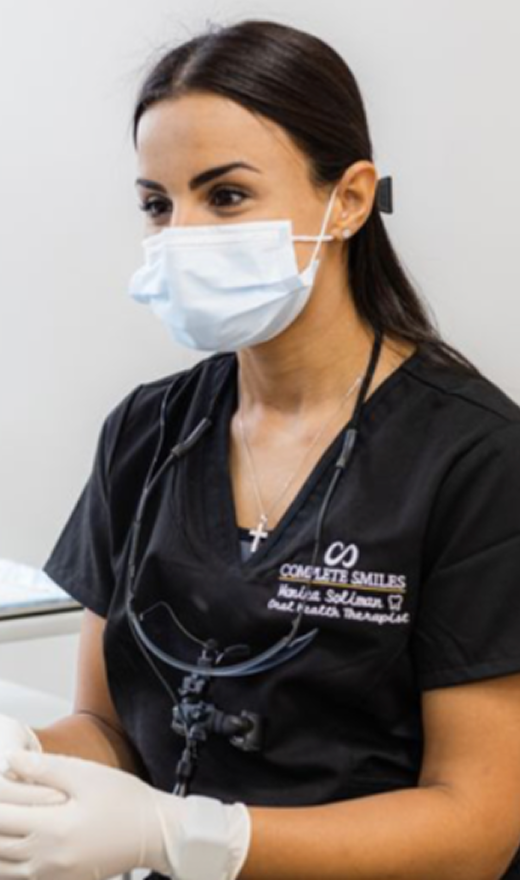
Complete Smiles Bella Vista provides a great example of how personalised reminder systems can enhance patient care. Under the leadership of Dr. James Hanna, the practice integrates advanced dental technology with a patient-first philosophy, making automated reminders a seamless part of their approach.
Their custom strategies cater to different services. For instance, Invisalign patients are reminded to bring their aligners, while those scheduled for root canal therapy receive specific pre-appointment instructions. This level of personalisation ensures that reminders are both relevant and helpful, contributing to a positive patient experience.
By combining automated reminders with advanced dental care techniques, practices like Complete Smiles Bella Vista maintain strong patient engagement and operational efficiency. Importantly, they use technology to complement – not replace – the personal care patients expect, all while adhering to compliance standards.
Staff training on privacy obligations is another critical element. Since human error is a common cause of data breaches, ongoing education ensures team members understand their responsibilities when handling patient information through automated systems.
Future Developments in Patient Engagement Technologies
New technologies are reshaping how appointments are managed and how patients engage with their healthcare providers. These advancements aim to make automated reminders smarter, more tailored, and better at reducing no-shows – ultimately improving overall patient care.
AI-Powered Patient Engagement
Artificial intelligence (AI) is revolutionising patient communication by enabling interactive, two-way conversations that go far beyond standard reminder messages. Modern AI platforms let patients confirm appointments, request rescheduling, or even ask questions through voice or text, all without involving staff [4].
AI also brings predictive capabilities to the table. By analysing patient behaviours – such as booking habits, cancellation trends, and no-show rates – these systems can identify patients more likely to miss appointments. With this data, practices can send targeted reminders designed to boost attendance [7]. This not only helps ensure patients show up but also allows practices to manage their resources more efficiently.
Take TrueLark AI as an example. It’s trained on over 10 million patient interactions and detailed practice-specific data, giving it a deep understanding of dental scheduling challenges and common patient concerns [4]. Practices using TrueLark have reported a 70% rate of successfully handled conversations and an annual EBITDA increase of approximately A$500,000 [4].
AI-powered chatbots are also stepping in as virtual assistants, answering frequently asked questions, guiding new patients through onboarding, and offering 24/7 support. Using natural language processing (NLP), these systems get better with every interaction [7].
Customisation is another strength of AI platforms. Reminder messages can now be tailored based on appointment type, provider, time slot, or even the patient’s preferred tone and language. This level of personalisation ensures every interaction feels relevant and engaging [4].
Adding to AI-driven communication, smart dental devices are providing real-time data that can further refine and personalise appointment reminders.
Integration with Smart Dental Devices
The rise of smart devices and wearables is creating new opportunities for patient engagement and better appointment adherence. These technologies enable continuous monitoring and real-time data collection, which can inform both scheduling and treatment planning.
For instance, smart toothbrushes and oral health monitoring devices are already helping track patient compliance with recommended oral hygiene routines. This data can be synced with practice management systems to send personalised reminders to patients who might need additional support or earlier follow-ups.
When integrated with existing Practice Management Systems (PMS), AI-powered reminders become even more precise, reflecting real-time updates to schedules and patient information [4][8].
The combination of AI, smart devices, and dental care is building a seamless patient engagement ecosystem. This proactive approach not only reduces missed appointments but also helps improve oral health outcomes for patients across Australia.
Conclusion: Improving Dental Practices with Automated Reminders
Automated reminder systems have become a game-changer for Australian dental practices, helping to cut down on missed appointments, increase revenue, and enhance patient care. Clinics that adopt these systems see clear improvements in how smoothly they operate and how satisfied their patients are.
With over 60% of Australians preferring to book appointments online, digital communication is now a must-have for staying competitive [1]. Automated reminders tackle the expensive issue of no-shows, which not only hurt clinic revenue but also impact patient health by delaying essential care.
By handling routine reminders, these systems also lighten the load on administrative staff, freeing them to concentrate on tasks that provide greater value to patients [1][9]. This shift boosts both the quality of service and the overall efficiency of the practice.
Another advantage is scalability. As dental clinics grow and take on more patients, these systems adapt seamlessly without adding to overhead costs [9]. This makes them an excellent fit for expanding practices looking to manage increased demand while maintaining high standards of care.
Looking ahead, the integration of AI-driven tools and advanced dental technologies will further improve how practices engage with patients and deliver care. Automated reminders are a vital first step in this journey, aligning perfectly with the proactive care approach discussed earlier.
For Australian dental clinics, adopting automated reminder systems isn’t just about solving current problems – it’s about preparing for the future. These tools reduce no-shows, enhance patient satisfaction, and streamline operations. The real question is how quickly practices can embrace these systems to stay ahead in a rapidly evolving industry.
FAQs
How do automated reminder systems comply with Australian privacy laws and AHPRA guidelines?
Automated reminder systems in Australia are built to adhere strictly to the Privacy Act 1988 and the Australian Privacy Principles (APPs). These laws are in place to ensure patients’ personal health information is handled, stored, and protected with care. To meet these standards, features like encryption, secure data storage, and controlled access are widely implemented.
Moreover, these systems also comply with AHPRA guidelines, guaranteeing that all patient communications remain professional, ethical, and secure. By aligning with these regulations, dental practices can confidently use automated reminders, maintaining patient trust while meeting all necessary legal and professional obligations.
What makes a good automated reminder system for dental practices?
A reliable automated reminder system for dental practices should utilise a mix of communication channels – like SMS, email, and phone calls – to ensure patients receive reminders in the way they prefer. Messages should be clear and to the point, including essential details such as the appointment date, time, location, and options to confirm or reschedule. This approach can significantly cut down on missed appointments.
Equally important is ensuring the system complies with privacy laws, safeguarding patient data and maintaining confidentiality. With these features in place, dental clinics can not only improve appointment attendance but also create a smoother, more convenient experience for their patients.
How do AI-powered tools improve the effectiveness of automated appointment reminders?
AI-driven tools elevate automated appointment reminders by crafting tailored communication for each patient. These systems handle scheduling, rescheduling, and follow-ups automatically, reducing no-shows and boosting attendance rates.
By integrating multiple channels like SMS, email, and voice calls, these tools ensure patients receive reminders in the way they prefer. This personalised approach not only improves appointment compliance but also deepens patient engagement, helping dental practices provide smoother and more efficient care.
Related Blog Posts
- How AI Chatbots Improve Patient Engagement
- Benefits of AI in Orthodontic Progress Tracking
- How Patient Portals Improve Dental Care
- How AI Improves Diagnostic Consistency in Dentistry
Important Notice: Any surgical or invasive procedure carries risks. Before proceeding, you should seek a second opinion from an appropriately qualified health practitioner.
Individual results may vary. The information provided in this article is for educational purposes only and does not constitute medical advice.
Checkout Related Blogs


Get in touch with us
For more information, call us now to start feeling better. Or fill the form below to make appointment
The Latest News from Complete Smiles
How to Clean Clear Plastic Retainers
Checklist for Choosing Wearable Dental Devices
Checklist for Choosing Cloud AI Platforms in Dentistry
Complete Smiles Bella VistaAccepts All Major Health Funds, Including